Showing posts with label antioxdants. Show all posts

Monday, January 24, 2022

Golden Milk: Health Benefits and Recipe


There is gold buried in the ground of the Indian Subcontinent, but this one doesn’t come in the form of rocky nuggets, but a knobby, unassuming root: turmeric. The gold powder the root yields has been in use for thousands of years in South Asia as a dye, spice and also in traditional medicine.

Golden milk: with cinnamon
Besides adding a wonderful aroma, color, and flavor to curry stews, turmeric offers a host of health benefits that make it a veritable superfood. But stews and rice dishes aren’t the only way to ingest turmeric, and turmeric-based drinks are becoming more and more popular among health-conscious people, and the hottest thing right now is golden milk, a warm turmeric-based beverage that is both delicious and good for you. But why exactly is ingesting turmeric so beneficial, and in what ways? 
 
Keep reading for a list of benefits of drinking turmeric milk, as well as a recipe for homemade golden milk.

1. It contains a powerful antioxidant
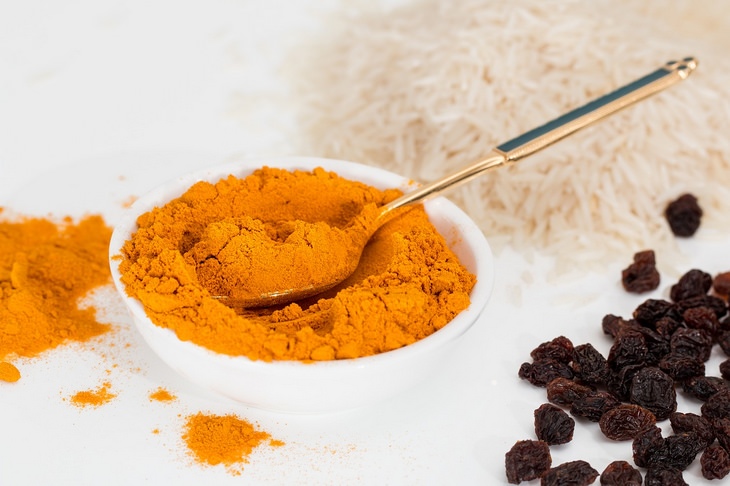
Golden milk: curcumin
A major component of turmeric that gives it its distinctive golden color is the pigment curcumin, which is a powerful antioxidant. Antioxidants help fight cell damage due to oxidative stress which results in aging, DNA mutations, and formation of tumors. 
 
2. It reduces inflammation

Golden milk: inflammation
Curcumin is also a potent anti-inflammatory agent, as is ginger which is another of our golden milk ingredients. Chronic inflammation is believed to play a big part in several chronic diseases, including arthritis, Alzheimer’s, inflammatory bowel syndrome, cancer, and heart disease. Ingestion of golden milk could thus reduce joint pain caused by osteoarthritis and rheumatoid arthritis.

3. It’s good for digestion
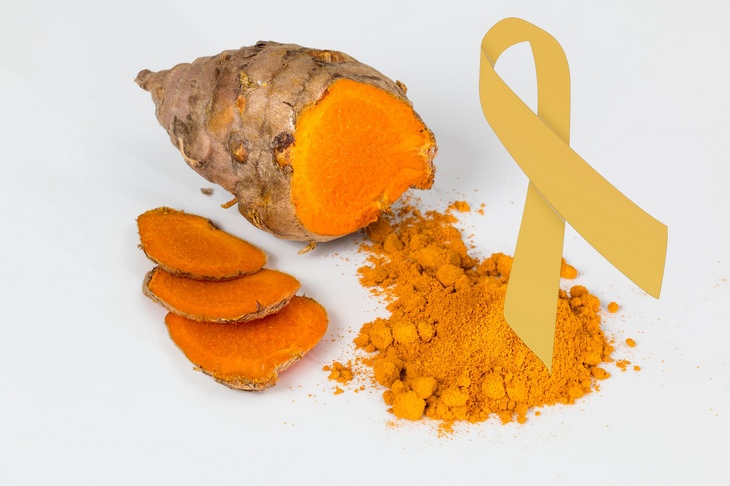
Turmeric stimulates bile production, which aids in digestion, waste removal and the effective digestion and absorption of fats. Beyond that, the anti-inflammatory properties of curcumin may prevent the formation of ulcers in people suffering from ulcerative colitis, one of the major types of inflammatory bowel disease. 
 
4. It’s also good for the noggin

Golden milk: brain
Curcumin ingestion has been shown to increase levels of a certain protein in our brain called brain-derived neurotrophic factor (or BDNF for short) which fills an important protective role in brain function. Conversely, reduced BDNF levels have been associated with impaired cognitive function, memory loss, depression, and schizophrenia. 
 
5. It may have an active role in battling cancer
Golden milk: cancer
Take it with a grain of turmeric, as it were, but curcumin may also have some anti-cancer properties. Beyond battling oxidative stress and preempting tumor formation, curcumin has been found to have a more active effect on existing cancer. Test-tube studies have shown that the active ingredient in turmeric can actually kill cancer cells. That being said, the evidence is as yet inconclusive about whether the effect can be replicated in vivo. 
 
How to prepare golden milk:
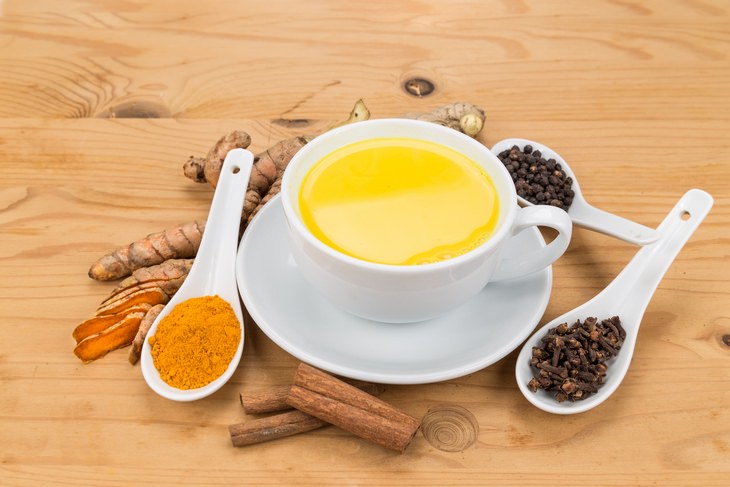
Golden milk: recipe
Ingredients for two servings:  
• 1 cup milk (for a vegan option, use ½ cup coconut milk and ½ cup almond milk, instead) 
 
• 1 tsp turmeric 
 
• A pinch of ginger powder 
 
• A pinch of black pepper 
 
• ¼ tsp cinnamon powder (or a single cinnamon stick) 
 
• 1 tsp honey or maple syrup 
 
• For the vegan option, add ½ tbsp coconut oil 
 
Instructions: Add all of the ingredients in a saucepan, whisk and simmer for roughly 15 minutes, occasionally stirring, taking care not to bring to a boil. It’s as easy as that.

https://gscrochetdesigns.blogspot.com. one can see my crochet creations  

https://cancersupportindia.blogspot.com. feel free to view for easy, simple and health tips  
https://kneereplacement-stickclub.blogspot.com. for info on knee replacement

Friday, November 21, 2014

Health Benefits and Uses for Home-Grown Herbs

Herbs are some of the best things you can grow around your house and garden. They are mostly easier to grow then many kinds of vegetables and fruits and yet they can be just as healthy and tasty to eat. These are 10 of the easiest, healthiest and most recommended herbs for you to grow, each with important tips on where and how to grow them. They are guaranteed to make your food taste better, your house smell nicer and your overall health better than ever before.

Rosemary:
A good for source of iron, calcium, and vitamin B6, rosemary has been found to be helpful with enhancing memory and concentration as well as providing neurological protection. It is an herb that’s perfect to grow in a pot, but not in direct sunlight, so you don't even need to have a garden. Use dry or fresh rosemary to add a great taste to pizzas or baked potatoes.

Thyme:
Thyme is a powerful herb that can help you with many types of breast and colon cancer, bacterial infections and skin problems. Thyme is commonly used for the treatment of diarrhea, stomachache, arthritis, sore throat and bronchitis. The plant is very hardy and is easy to grow, it is also safe to harvest without constant fear of the plant dying. It is best used in deep stews and meat marinades.

Sage:
Sage is used in medicine to help alleviate symptoms of mental disorders such as Alzheimer's and depression. It can also be used to solve digestive problems, improve memory and help type 2 diabetes patients with lowering cholesterol and triglyceride levels. A sage plant requires plenty of sunshine, good drainage and good air circulation. Sage is most often used with poultry and pork but can also be used to flavor cheese.
Lemon Balm:
Many people believe that lemon balm has calming effects that can reduce anxiety and sleep problems, it is also used for digestive problems like upset stomach, intestinal gas, vomiting and colic. This useful plant tends to be naturally pest and disease resistant, all it really needs is some decent soil, protection from punishing heat and a regular watering schedule. This herb can be used for making homemade tea and as a yummy salad addition.
Parsley:
Parsley contains more vitamin C and K than basically anything else you eat, it works wonders for people with kidney stones, gastrointestinal disorders, constipation, diabetes, cough, and asthma. If you plan on planting some parsley seeds in your garden do so in moist, rich soil and plant each seed about 7 inches (18 cm) apart. Chop parsley and sprinkle it on any dish you want to add a little life and color to, it's mild on flavor and yet very refreshing.
Chives:
Chives is nutrient-dense herb, its low on calories and high on beneficial nutrients like vitamins, minerals and antioxidants. Chives contains choline, an important nutrient that helps with sleep, muscle movement, learning and memory. It has no problems growing in-doors or out-doors but it prefers full sun light, it is also important to give chives consistent watering in the growing season, to ensure high yields. Add a bit of chives to salads or other dishes spiced with herbs to give them an unexpected twist.
Mint:
Best grown in a pot, as it grows to fill whatever space you give it, mint is a very useful herb to have around the house. It can be used as a simple answer to allergies, colds, Irritable bowel syndrome and abdominal pains. Use mint to make home-made natural tea, add to your salads, and even just crush a bit of leaves and add to water with some lemon juice for a great healthy drink.
Oregano:
This plant will glow at ground level but won't spread too aggressively which means its best gown out-doors or in large containers. Not only does this herb provide food flavor and an amazing smell, it's also high on potent antioxidants and anti-bacterial ingredients. Water the oregano only when the soil is dry, they are native to arid regions and don't like too much water. Use it when you are making some home-made pizza, mix it in with your pasta sauce and even try adding a bit to your morning's scrubbed eggs.
Tarragon :
Tarragon has been used as a traditional remedy to stimulate appetite and alleviate anorexic symptoms. It is a rich source of vitamins such as vitamin C and vitamins A and B, and other minerals like calcium, manganese, iron and magnesium. Keep tarragon in a spot of the garden that enjoys full sun in the morning with dappled light in the afternoon. It can tolerate full afternoon sun in locations that don't get too hot but it should be kept well watered. Tarragon is a tasty spice for any dish with rice or chicken and can also add a refreshing, but not overpowering, taste to fish.
Basil:
Consider planting this herb in your garden and house just for the smell if not for its many possible heath benefits. Rich in antioxidants and anti-aging properties, basil is a good source for vitamin A, vitamin K, vitamin C, magnesium, iron and potassium. During dry periods water the plants freely, basil loves moist ground, and also be sure to pick the leaves regularly to encourage growth throughout the summer. Commonly used in Italian cooking, basil combines wonderfully with anything that includes tomatoes and cheese.
Those interest in health and cancer related topics are free to view my cancer blog-
http://cancersupportindia.blogspot.com/
those interested in cancer and health related topics are free to see my blog-
http://cancersupportindia.blogspot.com/
 for crochet designs, my blog, those who like a particular design are free to mail me

http://My Crochet  Creations.blogspot.com

For info. about knee replacement, be free to view my blog-

http://knee replacement-stickclub.blogspot.com
 Tulsi/ basil, antioxdants, Vitamin A, B, C and K, magnesium, iron, potassium, tarragon, appetite, oregano, mint/ pudina, irritable bowel syndrome, chives, parsley, lemon balm, digestion, sage, thyme, rosemary,