Showing posts with label baked goods. Show all posts

Tuesday, December 2, 2025

10 Things You Shouldn’t Cook in an Air Fryer

There’s no small appliance that’s more popular than the air fryer right now. These countertop cookers make life so much easier, allowing you to skip the oven and even “set it and forget it” for some dishes. Best of all, air fryers can be easier to clean than a stove or oven.

Because air fryers are useful for cooking a variety of foods—such as chicken, steak, and even doughnuts—many of us are under the impression there isn’t anything you can’t cook in them. While this is technically true, it doesn’t mean that everything you try to cook in an air fryer will turn out its best or that you won’t potentially risk ruining your treasured air fryer if you use it to make certain dishes. 

Breaded or Battered Foods 

“Air fryers are magical ovens that can cook just about anything. However, it's best to leave anything wet-breaded to other small kitchen appliances that are more suited to the unique cooking needs [of breaded foods],” Klein explains. The problem with cooking breaded foods like shrimp tempura or beer-battered fish in the air fryer is the risk of dripping, which can complicate cleanup or potentially damage your machine.   

TIP - If you do want to cook something breaded in your machine, consider using a small pan or a silicone or foil liner inside your air fryer to help prevent any drippy batter from hitting your heating element.

Leafy Veggies

 Leafy greens on the stove

It’s important to eat your veggies, and while there are many ways to cook them—the air fryer isn’t a good choice for leafy green vegetables, such as spinach, bok choy, Swiss chard, and kale. This is because the speed of the air causes them to heat unevenly. The one exception to this rule is that air fryers are great for making veggie chips from these types of vegetables. 

On the other hand, vegetables like broccoli, cauliflower, and zucchini taste delicious when cooked in an air fryer. 

Shellfish

Shellfish like oysters, mussels, and clams will get chewy and rubbery if they are cooked in the dry heat of the air fryer—so you'd want to cook them in a liquid instead. Skip the air fryer for a stove-top instead.

Saucy Foods

Thinking about putting heavily-coated chicken wings or perhaps a steak dripping in marinade in the air fryer? Klein suggests thinking again. “The worst foods for air frying have sauces or batters," the chef says. The problem isn’t the cooking so much as the cleanup. Air fryer baskets have holes in the bottom or wire mesh for air circulation. Sauces fall through the openings and cause a messy disaster to have to clean up,” Klein explains.

Cheesy Foods 

Cheesy foods like grilled cheese, mac and cheese, or potatoes au gratin are also a no. However, there are a few exceptions to this rule: Frozen foods that have already been fried, such as mozzarella sticks, can be re-heated in the air fryer. 

Large, Bone-In Meat Cuts 

Even if you can fit large, bone-in foods in your air fryer, such as a whole chicken, using the appliance to cook those items isn’t a good idea. Why? Given the size of a whole bird, there’s no way air will be able to circulate properly and thoroughly cook the chicken, likely leaving you with an unevenly cooked final product that won’t have a crispy skin and juicy interior. Instead of cooking your chicken in an air fryer, go ahead and roast it in the oven for the best results. If you’d like to cook chicken in the air fryer, opt for smaller parts like wings and tenders.

Uncooked Grains

Using the air fryer with grains that are already cooked is no problem, but steer clear of firing up the appliance for uncooked grains, including rice, quinoa, and pasta. Air fryers are designed to cook dry foods, and rice and other grains need to be cooked in water. Even with an insert that can hold water, the air fryer likely won’t get hot enough for the water to boil and cook the grains, resulting in a mushy mess. When it comes to grains, use the air fryer to reheat them instead of cooking them from raw, and cook them on the stove (or in a rice cooker) instead.

Popcorn 

There are two distinct reasons not to attempt popcorn in the air fryer. The most important—those moving kernels can end up stuck in your machine, potentially creating a fire hazard. And the second? It can be hard to get your kernels up to the right temperature and avoid burning your popcorn as it cooks. (Preheating the air fryer can help with this.)

But to be honest? It's probably best not to risk it.

Hamburgers 

Hamburgers are beloved, in part, for their charred exterior and juicy interior. While an air fryer can technically take a burger patty from raw to cooked, the exterior won’t brown as quickly as it would on, say, a grill, which means medium-rare (and even medium) burgers are out of the question. You also won’t get that irresistible char. If you don’t mind a burger that’s very well done, the air fryer can get the job done, but we all know there are better ways to make a burger.

Baked Goods

Technically, this isn't a hard-and-fast rule, as an air fryer is essentially a convection oven—and most baked goods do just fine in a convection oven. But the results can be so fussy that you'll likely need to keep a close eye on your cookies, cakes, or other goodies to avoid creating a mess. Remember that if you're using a standard baking recipe, and not one already customized to the air fryer, you'll need to reduce both the temperature by 25 degrees, and the time by about 25 percent. 

Frequently Asked Questions

  • Can you cook raw meat in an air fryer?

    Yes, it’s perfectly safe to cook raw meat in the air fryer. However, any raw meat you cook in the appliance should be fully defrosted first, and even then it still requires some extra attention. Since air fryers don’t typically get as hot as a standard oven, the meat will take longer to cook. You’ll also need to keep a close eye on it as it cooks, and should have a meat thermometer handy to ensure that the meat reaches the minimum internal temperature once it’s done.

  • Can you use aluminum foil in an air fryer?

    Yes, you can use aluminum foil in the air fryer, but there are a few rules to keep in mind for your safety. For starters, it’s imperative that the foil doesn’t come in contact with the heating element of the air fryer, which can cause a fire. Additionally, any foil you use should be weighted down with food so it won’t blow around the basket and potentially catch fire. Lastly, as is the case whenever you use aluminum foil, be careful with acidic foods. If acidic ingredients come into contact with aluminum foil, the foil can break down and leak aluminum into your food.

  • Where should air fryers not be placed in the kitchen?

    When using your air fryer, make sure the appliance has plenty of space on either side, and behind as well. Refrain from using your air fryer under a low cabinet, too close to a wall or other appliances, on a surface that isn’t heat-resistant, and on or near anything that’s flammable. Using it in any of the aforementioned locations increases the chance of a fire, which you obviously don’t want. Instead, use your air fryer on a clean kitchen counter, with plenty of space on all four sides. 

  • How should I put food in the air fryer so it cooks properly?

    Overcrowding your air fryer basket can lead to uneven heating—which means your foods may be crispy in some spots, but still undercooked in others. Klein tells me, “For the best results, no matter what the food, be sure to arrange in a single, even layer. Piling certain foods, like fish and hand-breaded items, in the air fry basket will increase cooking time and reduce the crisping of food.”

 

https://gscrochetdesigns.blogspot.com. one can see my crochet creations  

https://kneereplacement-stickclub.blogspot.com. for info on knee replacement

https://cancersupportindia.blogspot.com  for info on cancer and health related topics

https://GSiyers home remedies.blogspot.com   is the latest addition to my blogs


Monday, August 18, 2025

How to Use Powdered Peanut Butter in Your Recipes

If you love your daily dose of peanut butter, then you have to try this new spin on the classic food - powdered peanut butter. This new variety has hit the shelves recently and has become an instant hit, as it promises to be low in fat and high in protein, which makes it a wonderful substitute for protein powders filled with additives. 
 
A 2-tablespoon serving of powdered peanut butter contains: 
* 50 calories
* 2g total fat (<0.5g sat fat) 
* 95mg sodium 
* 4g carbs 
* 2g fiber 
* 1g sugar 
* 6g protein. 
 
The same amount of standard peanut butter contains around 207 calories, 9g protein, 18g total fat (3g saturated fat), 140mg sodium, 7g carbs, 2g fiber, and 3g sugar. 

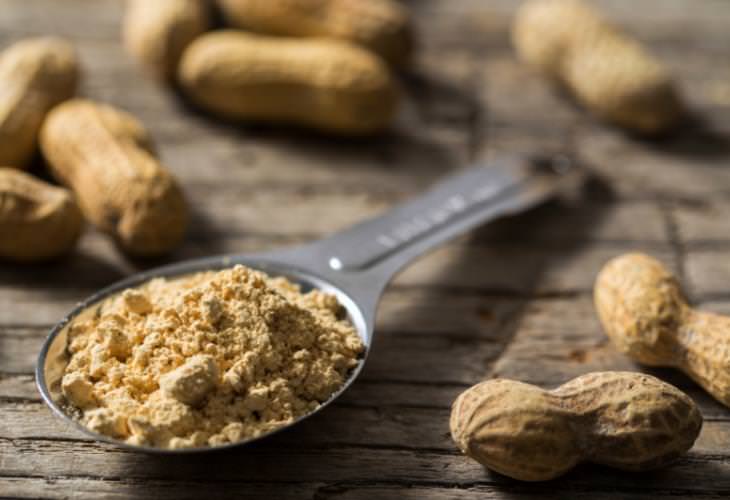
 Powdered Peanut Butter,
This healthy powder is made by pressing out most of the natural oils from roasted peanuts and then grinding the nuts into a fine powder. Apart from being packed with a nutty flavor, this product has become an ideal low-calorie substitute for peanut butter lovers. Furthermore, it’s extremely versatile and can be used in a variety of ways to add a boost of natural peanut protein to your recipes. Here are some of the many wonderful things you can do with powdered peanut butter. 
 
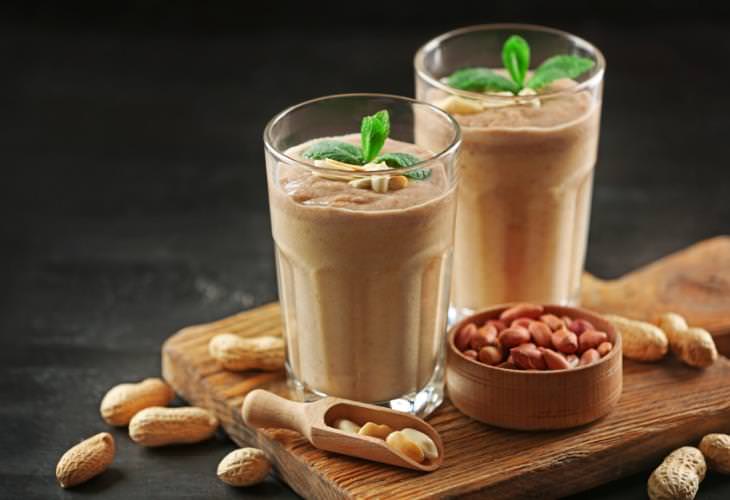
1. Add it to a smoothie 
 Powdered Peanut Butter, smoothie 
To add a punch of protein to your morning smoothie, just add a spoonful of powdered peanut butter. 
 
Here’s what you will need
* 1 cup unsweetened almond milk 
 
* 1 frozen banana, sliced 
 
* ½ cup ice, or as needed 
 
* 2 tbsp powdered peanut butter 
 
* 1 tbsp chocolate protein powder. 
 
Blend the ingredients together properly in a blender until smooth. 
 
2. Use it on your yogurt 
Stirring a spoonful of powdered peanut butter into your daily cup of yogurt will give you a protein-packed breakfast! To make it even better, throw the mixture in the freezer for a few hours to end up with delightful peanut butter frozen yogurt. Sprinkle some chocolate chips on top if you wish to enhance the flavor a little.

3. Drizzle it on apple slices
If you are new to powdered peanut butter and aren’t sure how to use it in your recipes, this is the simplest and healthiest option you can try. 
 
* Take two tablespoons of powdered peanut butter and add it to 2 tablespoons of water. Stir thoroughly until it reaches a smooth texture. Keep in mind that it shouldn’t get too watery, or you won’t be able to spread it properly. 
 
* Use a spoon to drizzle it over sliced apples, and you have your new dish ready. This will be perfect for a healthy evening snack. 
 
4. Use it in baked goods 
Powdered peanut butter can also be used in baked goods and will give them a nutty flavor. The great thing is that the powder format makes it super easy to add to a variety of baked goods. It mixes in easily too, especially since you're not adjusting the amount of fat or moisture in the dish. 
 
Simply swap your traditional flour with pure peanut butter powder (ideally, 1/3 the amount of flour called for in the recipe). You can use it to prepare cakes, pancakes, cookies, brownies, and more! Also, you can add the powder directly to dry ingredients in other baking recipes. 4
 
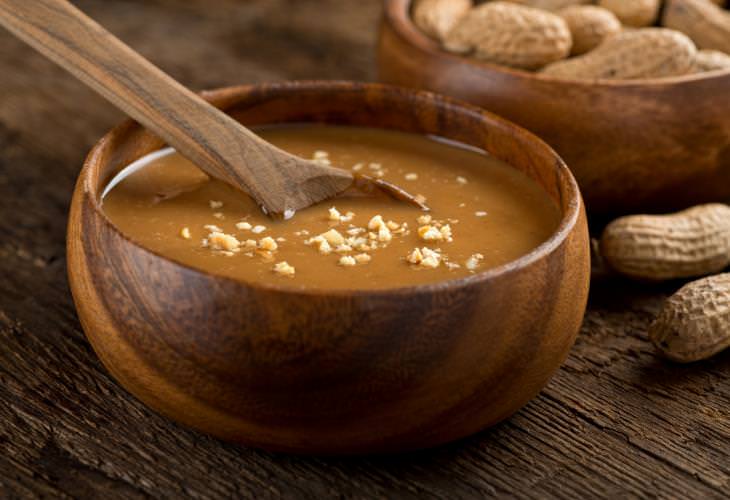
5. Make some peanut sauce
 
 Powdered Peanut Butter, peanut sauce

Have you ever tried peanut sauce? This creamy delight is delicious and can be used as a dip on a variety of dishes as well as a stir fry sauce, or over rice dishes. Moreover, it doesn’t require any cooking and will be ready in just a few minutes! 
 
Here’s how you make it using peanut butter powder:

* Combine 1 ½ tablespoon of powdered peanut butter, ¼ cup unsweetened almond milk, 1 teaspoon honey, ½ teaspoon lime juice, and ¼ teaspoon crushed garlic in a cup. 
 
* Whisk the ingredients thoroughly until you achieve a smooth consistency. 
* That’s it! You’ll now have about 2 servings of delicious peanut sauce. 
 
* Drizzle this sauce on chicken, rice dishes, or veggies to boost their flavor.


https://gscrochetdesigns.blogspot.com. one can see my crochet creations  

https://kneereplacement-stickclub.blogspot.com. for info on knee replacement

https://cancersupportindia.blogspot.com  for info on cancer and health related topics

https://GSiyers home remedies.blogspot.com   is the latest addition to my blogs


Monday, August 4, 2025

15 Foods you should never eat if you've high BP


A considerable amount of people today are suffering from a condition known as high blood pressure or hypertension. It is the condition where the speed of the blood inside the blood vessels increases to an alarming level. This weakens the walls of the vessels and also causes the heart to pump at a faster pace. This fast pumping of the heart results in the over-exertion of the heart, and that can cause many heart diseases. However, this condition can be lessened by eating a specific food. It can also be aggravated and made worse by the use of certain foodstuff. Here is a list of 15 food items that a person with high blood pressure should keep at arm’s length.

1. Salt

Salt is the prime criminal when it comes to high blood pressure. When the sodium content in our diet is increased, it disturbs the delicate ionic balance of the human body. This results in the kidneys being unable to filter the blood properly as the blood has a high level of sodium content. When the kidneys do not produce proper urine, the water content of blood increases which increases blood pressure. According to nutritionists, the daily intake of sodium for a healthy individual, so that he/she does not suffer from hypertension, should not exceed 1500 milligrams.  

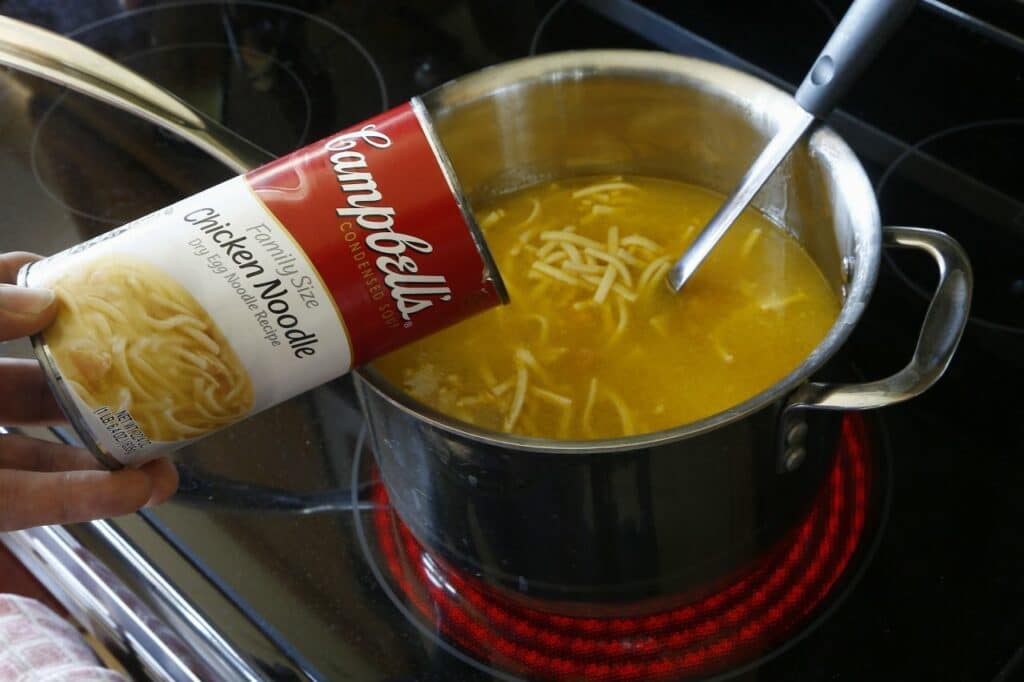
2. Canned soups

15 Foods You Should Never Eat If You Have High Blood Pressure  Canned soups may look extremely nutritious when you are looking at their advertisements in which they promote the use of healthy veggies that provide nutrition. However, in reality, canned soups are a major aggravator of hypertension. These canned goods are loaded with a sodium content that increases the speed of the flow of blood. Therefore, while selecting a canned soup, a person should make sure he goes for a can with a “low sodium” label on it.

3. Deli-meats

Deli-meats are processed meats. They have been made to last longer and to stay unspoiled. They are used to make quick sandwiches and are considered nutritious. However, these meats contain a large amount of sodium content. Almost a two-ounce serving of the regular deli-meat has about 600 milligrams of sodium content. When this deli meat is paired with other ingredients to make a sandwich, the sodium content reaches alarming levels. 

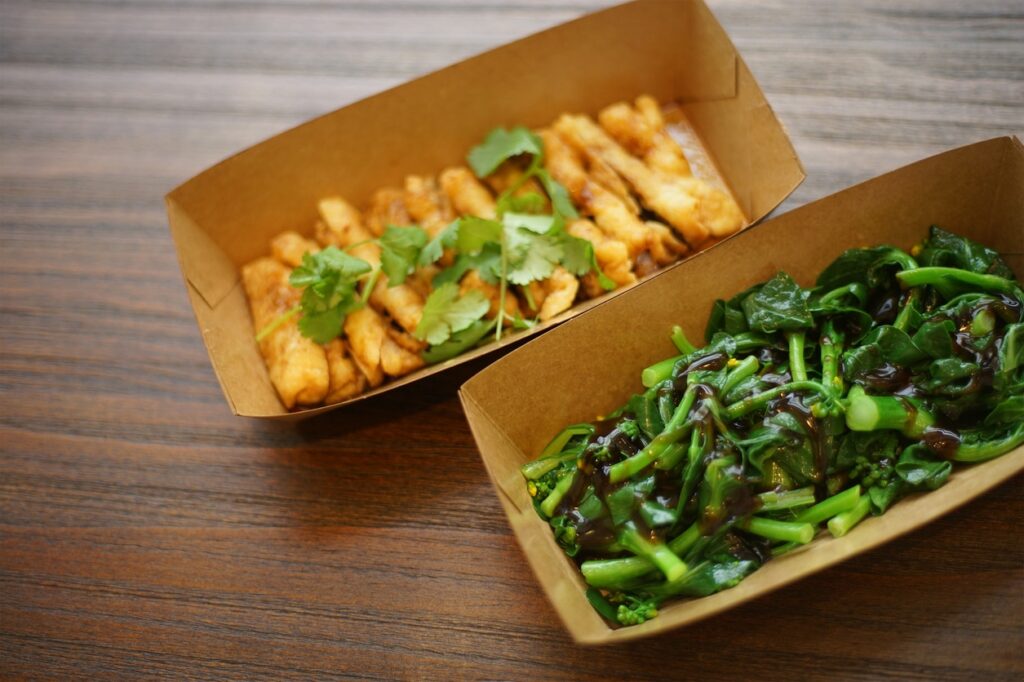
4. Chinese take-outs

 15 Foods You Should Never Eat If You Have High Blood Pressure Chinese take-outs are a favorite for people these days. When living in a fast-paced society, places that offer these budget-friendly and quick food items are considered saviors. However, this is not the case. Chinese take-out places use oils that are sodium content rich. That is why sautéed veggies in a Chinese place look so shiny. Also, Chinese take-out contains a large quantity of canned sauces as well as other sodium-rich ingredients that cause hypertension.

5. Frozen Pizzas

Frozen pizzas are considered to be a quick fix when lunch isn’t cooked or when you feel too lazy to get something to eat. Pop them in the oven and wait till the cheese starts the melt and the dough turns crispy and golden. However, to conserve the frozen pizzas, a large amount of salt is used. This high sodium concentration aggravates blood pressure and causes various heart diseases.

6. Tomato sauce can

Pre-made sauces are also sodium bombs. Salt is used as a preservative in these sauces, and this salt causes a disturbance in the electrolyte balance of the body. When the electrolyte balance is disturbed, the kidneys get disturbed as well, and the blood pressure increases. Therefore, your favorite pasta dish could be causing your high blood pressure because of the canned tomato sauce used in it. 

7. Pickles

To preserve anything, salt is used. And pickles are salted and preserved vegetables that are dipped in oil or vinegar for fermentation and flavor. These pickles are eaten as a side as well as put in various sandwiches and burgers all around the world. The extremely high sodium content in these aggravates blood pressure and can turn even a simple cucumber into a sodium bomb.   

8. Alcohol

There is not one health benefit of drinking alcohol. Intake of a large amount of alcohol causes a temporary increase in blood pressure, but prolonged abuse of alcohol results in increased levels of blood pressure and this causes hypertension along with other heart diseases. Intake of a large quantity of alcohol also causes obesity, and obese people are more liable to have high blood pressure. Thus, a person should limit their alcohol consumption as much as possible. 

9. Baked goods

Baked goods may look healthy because of the brilliant smells and the amazing taste of it. Plus, the idea of something being freshly baked sounds very healthy and nutritious. However, baked goods are rich in sugar content, and this sugar also causes a spike in blood pressure. Furthermore, in slices of bread, pastries, and croissants – salt is added. This salt increases blood pressure levels due to an increased level of sodium in the bloodstream. 

10. Bacon

Bacon is a calorie bomb. They are sticks of fats that are fried in cholesterol pools. The worst thing is that people eat this for breakfast and breakfast is the most important and vital meal of the day. Therefore, eating something this unhealthy, this early in the morning has even more adverse effects than eating it at another time would. Due to the fat content of bacon, the blood pressure rises, and this results in overexertion of the heart.

11. Coffee

Coffee is an excellent drink in the morning, and it is an amazing substituent of energy drinks. However, unprecedented and uncontrolled use of caffeine-rich drinks can result in a spike in blood pressure, and this causes hypertension of the heart. Coffee also causes a person to lose their libido; thus the use of coffee should be reduced. Furthermore, the spike in blood pressure caused by coffee intake is sudden and therefore can cause more harm.   

12. Candies

Candies, toffees, and chocolate bars also cause an increase in the sodium levels of the body. They also spike up the sugar levels violently, and this results in increased blood pressure as well. The intake of a large amount of sugary foods also causes obesity which is directly relative to the overexertion of the heart and the increase of blood pressure. 

13. Carbonated drinks

Carbonated drinks also supply nothing more than an unhealthy stream of sugary content. Carbonated drinks cause a lot of diseases and aggravate the blood pressure as well. Carbonated beverages also ruin the oral health of a person and cause dehydration. This dehydration further causes electrolyte imbalance in the body and results in hypertension and blood pressure increase. The avoidance of carbonated drinks can create a healthier lifestyle. 

14. Red meat

Every doctor’s first advice to a person suffering from high blood pressure is to avoid or altogether boycott red meat. Red meat is a major source of haem iron to the body. This haem iron is directly related to the blood pressure levels of the human body. The red meat also contains more sodium content than white meat and sea-food; therefore, the use of red meat should be lessened to control blood pressure and avoid hypertension. 

15. Donuts

 15 Foods You Should Never Eat If You Have High Blood Pressure

 Donuts are every age group’s favorite snack. However, these little snacks are incredibly unhealthy. They destroy the oral health of a person by acid deposition inside the mouth. They cause obesity which directly co-relates with hypertension and exertion of the heart. Consumption of donuts also spikes sugar level which causes a further aggravation of the blood pressure levels.


https://gscrochetdesigns.blogspot.com. one can see my crochet creations  

https://kneereplacement-stickclub.blogspot.com. for info on knee replacement

https://cancersupportindia.blogspot.com  for info on cancer and health related topics

https://GSiyers home remedies.blogspot.com   is the latest addition to my blogs


Sunday, March 2, 2025

Lemon Curd- With and without eggs ! How to make and foods to go with it

 Foods to pair with lemon curd

You may think of all things sweet when it comes to lemon curd. “The bright yellow-coloured spread can be paired well with a variety of foods,” says a dietician. Some of the interesting options are:

  • Breads and baked goods: Toast, muffins and pancakes
  • Desserts: Cakes, cupcakes, cheesecakes and tarts
  • Dairy and breakfast items: Cottage cheese, yoghurt and oatmeal
  • Fruits: Strawberries, blueberries, raspberries, bananas and kiwis.                                        

    How to make lemon curd healthy?

    Lemon and eggs, two key ingredients of lemon curd, are known for their impressive nutritional value. “While eggs are loaded with protein, lemons are full of vitamin C,” says the expert. Sugar and butter, which are not always good for your health, are also important ingredients of this spread. Whether you consume fruits, vegetables, dairy or nuts, you will find a little bit of natural sugar in them. The problem is with refined sugar, which may have adverse effects on your health. During a 2016 study, , an association was found between excessive consumption of refined sugar and increased risk of obesity, coronary heart disease and diabetes.

    You can go for a refine sugar alternative like honey,” suggests the expert. Honey, which is high in antioxidants, has protective effects for the treatment of various health conditions, including diabetes, as per an analysis published in  2017.


    Similarly, you can swap butter with coconut oil. A 2018 study,  showed that in comparison to coconut oil, butter led to a higher blood concentration of low-density lipoprotein cholesterol, which is a risk factor for heart disease.

    How to make lemon curd with eggs?

    Wondering how to make lemon curd at home? Here’s a simple lemon curd recipe you can follow:

    Ingredients:

  • ½ cup of fresh lemon juice (about 2-3 lemons)
  • Zest of 1 lemon
  • 2 whole eggs
  • 1 egg yolk
  • 2 tablespoons of honey
  • 1 tablespoon of coconut oil

Instructions:

  • In a heatproof bowl, whisk together the eggs, yolk, lemon juice, zest, and honey until well combined.
  • Place the bowl over a saucepan with simmering water.
  • Stir continuously for about 8-10 minutes, or until the mixture looks thick like a custard.
  • Remove it from heat and stir in coconut oil until smooth.
  • Let it cool, then store in an airtight container in the refrigerator for up to 2 weeks.

How to make lemon curd without eggs?

Want to learn how to make lemon curd for vegans? You can follow this recipe of homemade lemon curd without eggs.

 Ingredients:

  • ½ cup of fresh lemon juice (use at least 2 lemons)
  • Zest of 1 lemon
  • ¼ cup of maple syrup
  • 1 cup of unsweetened coconut milk or almond milk
  • 2 tablespoons of cornstarch
  • 1 tablespoon of coconut oil

Instructions:

  • In a small saucepan, whisk together the lemon juice, zest, maple syrup and coconut milk.
  • Gradually add cornstarch while whisking to avoid any lumps.
  • Cook over medium heat, stirring continuously for about five minutes or until the mixture thickens.
  • Remove it from heat and add coconut oil to get a smooth mixture.
  • After you learn how to make lemon curd, let it cool down then store it in an airtight container in the refrigerator.               


    https://gscrochetdesigns.blogspot.com. one can see my crochet creations  

    https://kneereplacement-stickclub.blogspot.com. for info on knee replacement

    https://cancersupportindia.blogspot.com  for info on cancer and health related topics

    https://GSiyers home remedies.blogspot.com   is the latest addition to my blogs

Thursday, December 5, 2024

How to Use Powdered Peanut Butter in Your Recipes

If you love your daily dose of peanut butter, then you have to try this new spin on the classic food - powdered peanut butter. This new variety has hit the shelves recently and has become an instant hit, as it promises to be low in fat and high in protein, which makes it a wonderful substitute for protein powders filled with additives.

A 2-tablespoon serving of powdered peanut butter contains: 
* 50 calories
* 2g total fat (<0.5g sat fat) 
* 95mg sodium 
* 4g carbs 
* 2g fiber 
* 1g sugar 
* 6g protein. 
 
The same amount of standard peanut butter contains around 207 calories, 9g protein, 18g total fat (3g saturated fat), 140mg sodium, 7g carbs, 2g fiber, and 3g sugar.
 Powdered Peanut Butter,
This healthy powder is made by pressing out most of the natural oils from roasted peanuts and then grinding the nuts into a fine powder. Apart from being packed with a nutty flavor, this product has become an ideal low-calorie substitute for peanut butter lovers. Furthermore, it’s extremely versatile and can be used in a variety of ways to add a boost of natural peanut protein to your recipes. Here are some of the many wonderful things you can do with powdered peanut butter.
 
1. Add it to a smoothie
 Powdered Peanut Butter, smoothie 

To add a punch of protein to your morning smoothie, just add a spoonful of powdered peanut butter. Here’s what you will need: 
* 1 cup unsweetened almond milk 
* 1 frozen banana, sliced 
* ½ cup ice, or as needed 
* 2 tablespoons powdered peanut butter 
* 1 tablespoon chocolate protein powder. 
 
Blend the ingredients together properly in a blender until smooth.  
 
 
2. Use it on your yogurt
Stirring a spoonful of powdered peanut butter into your daily cup of yogurt will give you a protein-packed breakfast! To make it even better, throw the mixture in the freezer for a few hours to end up with delightful peanut butter frozen yogurt. Sprinkle some chocolate chips on top if you wish to enhance the flavor a little.

 
3. Drizzle it on apple slices
  Powdered Peanut Butter,  apple slices
If you are new to powdered peanut butter and aren’t sure how to use it in your recipes, this is the simplest and healthiest option you can try. 
* Take two tablespoons of powdered peanut butter and add it to 2 tablespoons of water. Stir thoroughly until it reaches a smooth texture. Keep in mind that it shouldn’t get too watery, or you won’t be able to spread it properly. 
 
* Use a spoon to drizzle it over sliced apples, and you have your new dish ready. This will be perfect for a healthy evening snack.
 
 
4. Use it in baked goods
Powdered peanut butter can also be used in baked goods and will give them a nutty flavor. The great thing is that the powder format makes it super easy to add to a variety of baked goods. It mixes in easily too, especially since you're not adjusting the amount of fat or moisture in the dish. 
 
Simply swap your traditional flour with pure peanut butter powder (ideally, 1/3 the amount of flour called for in the recipe). You can use it to prepare cakes, pancakes, cookies, brownies, and more! Also, you can add the powder directly to dry ingredients in other baking recipes. 
 
 
5. Make some peanut sauce
 Powdered Peanut Butter, peanut sauce
Have you ever tried peanut sauce? This creamy delight is delicious and can be used as a dip on a variety of dishes as well as a stir fry sauce, or over rice dishes. Moreover, it doesn’t require any cooking and will be ready in just a few minutes! Here’s how you make it using peanut butter powder: 
 
* Combine 1 ½ tablespoon of powdered peanut butter, ¼ cup unsweetened almond milk, 1 teaspoon honey, ½ teaspoon lime juice, and ¼ teaspoon crushed garlic in a cup. 
 
* Whisk the ingredients thoroughly until you achieve a smooth consistency. 
 
* That’s it! You’ll now have about 2 servings of delicious peanut sauce. 
 
* Drizzle this sauce on chicken, rice dishes, or veggies to boost their flavor.


https://gscrochetdesigns.blogspot.com. one can see my crochet creations  

https://kneereplacement-stickclub.blogspot.com. for info on knee replacement

https://cancersupportindia.blogspot.com  for info on cancer and health related topics

https://GSiyers home remedies.blogspot.com   is the latest addition to my blogs.