Showing posts with label coffee. Show all posts

Tuesday, January 13, 2026

20 Foods That Should Be Kept Out of the Refrigerator

Today we take it for granted, however, refrigerators are an ingenious product that changed everything when they were invented. With these special electrical devices, people could finally keep food for longer without worrying about spoiling, thus saving money and enjoying fresh food at all times. Despite the necessity of the refrigerator when it comes to keeping food fresh, you don’t actually need to store every food item you bring home from the grocery store in it. There are certain foods, both natural and processed, which are altered both in taste, texture and even nutritional value when refrigerated. The list of the following 20 foods, which are not recommended to be kept in the refrigerator, will allow you to save space and make the most of the taste and nutritional value of your favorite foods.
1. Bananas 
This favorite summer fruit ripens quickly when it’s outside, but that doesn’t mean that it needs to be kept in the refrigerator to prolong its life. This is because the nutrients, that is, the vitamins and minerals in the bananas, are stored better outside of the refrigerator than inside it. 
 
2. Whole watermelon 
Cold watermelon is a summer favorite, but it isn’t recommended to put the whole fruit into the refrigerator if you want to store it at home. Storage of a whole watermelon in the refrigerator damages the essential antioxidant content of beta-carotene, which is found in the fruit. Therefore, whole watermelons are best kept outside the refrigerator, and if you want some chilled pieces, cut them beforehand, put them in a sealed box and kept them in the refrigerator until you want a healthy snack.

3. Coffee 
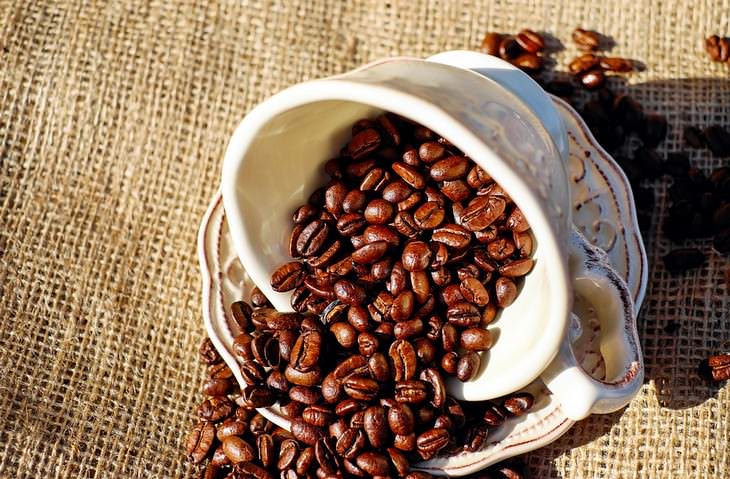
Humidity conditions in the refrigerator are the enemies of coffee of all kinds, therefore, it is recommended to avoid storing whole and ground coffee beans of in the refrigerator. The moisture in the refrigerator "sticks" to coffee, changes its flavor and destroys its wonderful aroma.
4. Peaches 
 When peaches are placed in the refrigerator, their ripening process stops, and consequently, they don’t reach the stage where their taste becomes as it should be. Moreover, cooling causes damage to the nutritional components of these wonderful fruits, which is why it’s not recommended to keep them in the refrigerator. 
 
5. Mango 
 This exotic fruit is not used to cool temperatures, so it is not advisable to put it in the refrigerator. The essential components of the mango break down when they come into contact with cold, and so, they may lose the nutritional values that make them so healthy for us. 
 
6. Plums 
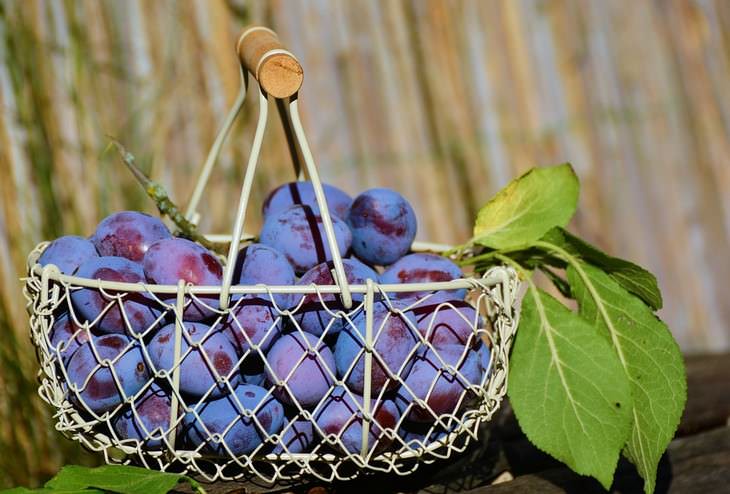
Many times, cold causes plums to shrink and lose their form and beloved juicy texture. The components in the purple fruit, like dietary fibers that help regulate digestive activity, are damaged by the cold and therefore should not be stored in the fruit drawer.
7. Oils 
Storage of oil in a place exposed to sunlight causes it to oxidize which is harmful to its composition, but on the other hand, storing it in the refrigerator also harms it. When storing different oils in the refrigerator - especially olive and avocado oil - they crystallize into a buttery texture which damages their taste. 
 
8. Pumpkin 
When storing pumpkin in the refrigerator, moisture causes it to develop mold, and even when that is not the case – its taste can still be damaged. The wetness in the refrigerator may seep into the pumpkin and change its taste, which is why it’s better to opt for cool and shaded places, such as the pantry, over keeping pumpkin in the refrigerator. 
 
9. Basil 
 foods
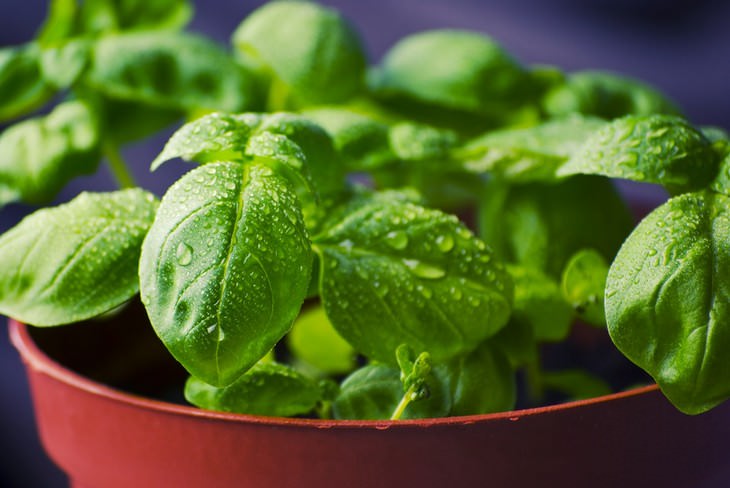
Basil is a delicate herb that quickly wilts in the cold, and it also absorbs odors that change its taste from the various items in the refrigerator. Therefore, it is recommended to place basil stalks into a vessel with water, cover its leaves with a bag and put it in a shaded place, so that they hold longer and don’t become damaged. 

10. Kiwi  
Despite its rough appearance, kiwi is sensitive to external influences such as cold. When this fuzzy, sour fruit is placed in the refrigerator, its nutritional value is also impaired as well as its appearance, taste, and texture, which is why the fridge is not the place for it. 
 
11. Onions (especially cut)  
Onions have a great amount of liquid, and when put into the refrigerator they are fertile ground for the development of mold that requires moisture to survive. Furthermore, chopped onion absorbs bacteria and odors from the refrigerator, so it is recommended to use it all if cut, or alternatively chop and freeze it. 
 
12. Garlic 
When garlic is placed in the refrigerator, the cold causes it to sprout, and it also develops mold and has a texture reminiscent of rubber. To prevent this, do not store it in the refrigerator, and choose a cool, dry place where it can be kept naturally for a long time.

13. Eggplant / Brinjal
Eggplants are especially sensitive to cold, and when placed in the fridge they quickly spoil and tend to shrink and develop a rubber-like texture as well as mold in their stem. In addition, the natural ethylene gas released from fruits and vegetables further damages the eggplant and causes them to spoil and lose their flavor. 
 
14. Sweet potatoes 
When sweet potatoes are brought into the refrigerator, the structure of their cell walls changes and becomes stiff and hard to cut. The cooling also damages their texture, so it takes longer to prepare them, unlike sweet potatoes kept outside the refrigerator. Refrigerator moisture also causes the development of mold and a stale taste, so this is definitely not the place for them.

15. Hot and sweet peppers 
 foods
 
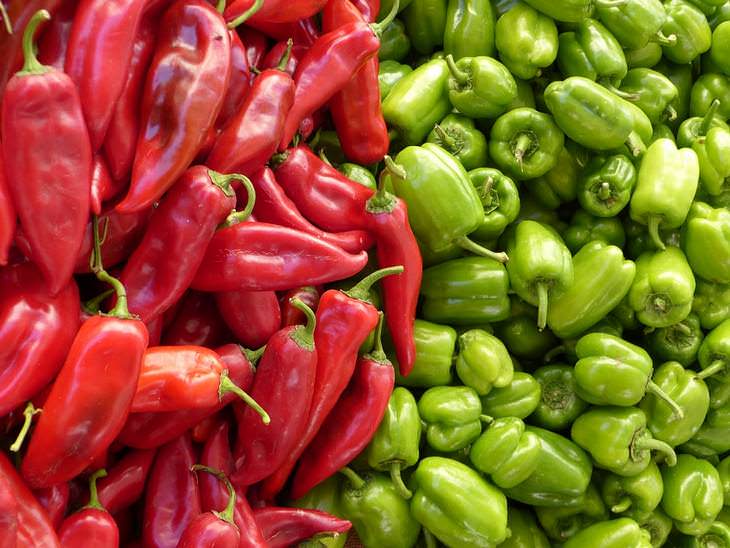
When sweet peppers are put into the refrigerator, their natural color fades with time and humidity causes them to develop mold that harms their taste and also makes them inedible. They also tend to shrink when refrigerated, just like their little brothers - hot peppers, therefore, it is not recommended to put both types of peppers in there.

16. Peanut butter 
Fine peanut butter spreads wonderfully on bread and can be used as a snack in itself or even as an ingredient in cookies. When you put the salty-sweet spread to cool in the fridge, its texture becomes damaged and it becomes difficult and almost impossible to spread, so the refrigerator is definitely not the place for it. 
 
17. Nectarines  
This wonderful fruit is eaten in its fresh form and also used to make a variety of pastries, but refrigeration can damage its unique taste. The moisture created in the refrigerator causes the nectarines to soften, even if they are not yet ripe so that their delicate skins absorb unpleasant flavors. When nectarines are refrigerated, they tend to spoil quickly, so it is recommended to take them out of the fridge and store them on the counter. 
 
18. Cereal  
Sometimes cereal is kept in the refrigerator to prevent ant infestations, but instead, it is recommended to place them in a well-sealed container. When you put cereal in the refrigerator, it can become sponge-like and absorb the smells and flavors around it, as well as soften and lose its flavor and texture. If there is extra sugar in the grains, they crystallize into soft, inedible lumps that stick together and lose their well-known crispness and flavor.

19. Salad dressings  
Salad dressing based on vinegar and oil - like vinaigrettes - are found in almost every refrigerator, but it is certainly not their place. The vinegar and the oil preserve the wonderful taste of the sauces, and when stored in the refrigerator, this taste becomes damaged because they absorb odors around them, even when their container is closed. 
 
20. Chocolate 
Some chocolates soften at room temperature and can be refrigerated, but most of these sweet treats remain solid even when they are outside the refrigerator. If you put chocolate in the fridge, its crystalline structure changes, it develops white spots and its flavor changes dramatically.


https://gscrochetdesigns.blogspot.com. one can see my crochet creations  

https://kneereplacement-stickclub.blogspot.com. for info on knee replacement

https://cancersupportindia.blogspot.com  for info on cancer and health related topics

https://GSiyers home remedies.blogspot.com   is the latest addition to my blogs


Sunday, September 14, 2025

8 "Fake" Foods That You Regularly Consume

When you buy food products in stores, you don’t exactly know how they were processed and what they’d been through before reaching supermarket shelves, and although most of us already know that not all the products from the supermarket are healthy, not many know that some of them may be "fake". This means that the product that boasts a certain name may not actually be what you expect it to be, which misleads us to believe that we know what’s going into our body. Learn about the 8 "fake" foods you regularly consume without even knowing it.

1. Coffee

 Fake foods: coffee

If you grind your coffee beans at home, you have no reason to worry, since it is difficult to forge whole coffee beans, but you can find additives like wheat or barley in instant coffee that act as cheap and easy fillers. In fact, some of the symptoms people attribute to coffee, such as migraines or a feeling of fatigue after drinking, may be caused by these other ingredients, and 2013 research suggests that people who suffer from allergies to gluten shouldn’t consume instant coffee at all. 
 
2. Cheese
There are products that might not have the word ‘cheese” written on them but that look exactly like cheese and are even thought to be cheese. They are usually lower priced than the real cheeses, and aren’t usually separated from real cheeses in the supermarket fridge, meaning you can easily grab these products by mistake. If the packaging says only “fetta” or "white slices" without the word "cheese", it is probably a synthetic substitute. Although these products are recommended for those who are lactose intolerant, if you want to consume real cheese, which contains calcium and good cholesterol, you should pay attention to its name.

3. Olive oil

 In two studies examining the ingredients found in 168 virgin olive oils of various brands, it was found that a large number of companies were mixing peanut and soy oils in their olive oils. When the oils were compared to those of the International Olive Council, those of Italian and American brands failed the tests, with the olive oil content being between 56-94%. In addition to the use of other oils, the same oils were found to be of lower quality and much more oxidized than other oils. If you want to be sure that you are buying premium quality virgin olive oil, avoid brands from Italy or the US and check their ingredient list. 

4. Tea

Fake foods: tea bags
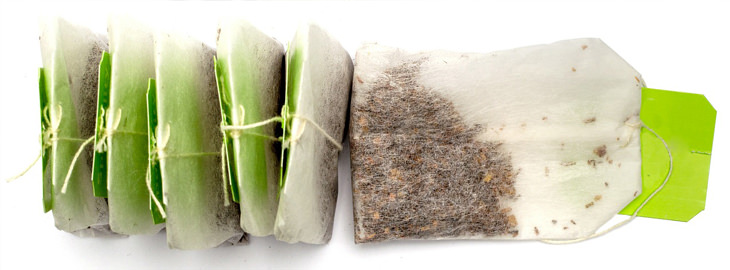
If you look carefully at the different tea bags in your home, you may notice that some of them have a mixture of uniform color and texture, while others have parts that look less like dried leaves and more like sawdust. This phenomenon is found mainly in tea bags and not loose tea-leaves because stems and twigs are often added to tea bags by manufacturers. Usually, in these cases, an artificial tea taste is added to hide its low quality. To know for certain whether your tea is high quality, add lemon and check if it changes to red-brown (good sign) or to dark brown (bad sign). In addition, if there the water foams after adding the lemon, this is also a sign of low-quality tea

5. Honey
It is recommended that you pay attention to the ingredient label on the honey jar before you decide to buy it since in many cases you’ll find that it contains corn syrup with a high percentage of fructose (55%). Sometimes products labeled "honey" don’t actually contain any honey, as in the case in 2009 in which a whole plant was caught producing fake honey. When you buy honey, make sure that the manufacturer's name, address and phone number are on the package. It is also recommended to examine the type of nectar from which the honey was produced and make sure that it isn’t labeled a “honey mixture.”
 
6. Champagne
Everyone likes to open a bottle of champagne when celebrating but you should know that as long as the bottle didn’t come from Champagne, France, what you’re drinking is nothing more than sparkling wine. The main difference between champagne and sparkling wine is that champagne gets better over time and doesn’t lose its quality, unlike sparkling wine which is recommended to drink close to purchase. In addition, it is recommended that you don’t shake sparkling wine like you can with champagne, as you’ll just end up with less bubbly sparkling wine. One thing you want to know is that sparkling wine usually contains a lower alcohol content than champagne, and can be identified by comparing it to different types. Most sparkling wines contain about 12% alcohol. 
 
7. Fruit juice
If you want to enjoy quality fruit juice, you should check the list of ingredients on the bottle before purchasing it. In many cases, juices labeled as single fruit are usually diluted with other cheaper fruit juices. For example, pomegranate juice can also contain apple juice. While this is not a harmful phenomenon, if you’re looking to drink a juice that is 100% the fruit you want, make sure the check the ingredients. 
 
8. Hot dogs
When you eat hot dogs or make them for your children, you may think that all you’re eating is ground meat, but many studies have proven that this is not the case. It was found that in a package of 100% natural hotdogs, chicken parts, such as bones, nails, feathers, and crests, were added. Today, meat companies are obligated to include the complete list of ingredients on the packaging, and that includes the chicken parts. So be sure to always read the labels!
 

https://gscrochetdesigns.blogspot.com. one can see my crochet creations  

https://kneereplacement-stickclub.blogspot.com. for info on knee replacement

https://cancersupportindia.blogspot.com  for info on cancer and health related topics

https://GSiyers home remedies.blogspot.com   is the latest addition to my blogs


Monday, August 4, 2025

15 Foods you should never eat if you've high BP


A considerable amount of people today are suffering from a condition known as high blood pressure or hypertension. It is the condition where the speed of the blood inside the blood vessels increases to an alarming level. This weakens the walls of the vessels and also causes the heart to pump at a faster pace. This fast pumping of the heart results in the over-exertion of the heart, and that can cause many heart diseases. However, this condition can be lessened by eating a specific food. It can also be aggravated and made worse by the use of certain foodstuff. Here is a list of 15 food items that a person with high blood pressure should keep at arm’s length.

1. Salt

Salt is the prime criminal when it comes to high blood pressure. When the sodium content in our diet is increased, it disturbs the delicate ionic balance of the human body. This results in the kidneys being unable to filter the blood properly as the blood has a high level of sodium content. When the kidneys do not produce proper urine, the water content of blood increases which increases blood pressure. According to nutritionists, the daily intake of sodium for a healthy individual, so that he/she does not suffer from hypertension, should not exceed 1500 milligrams.  

2. Canned soups

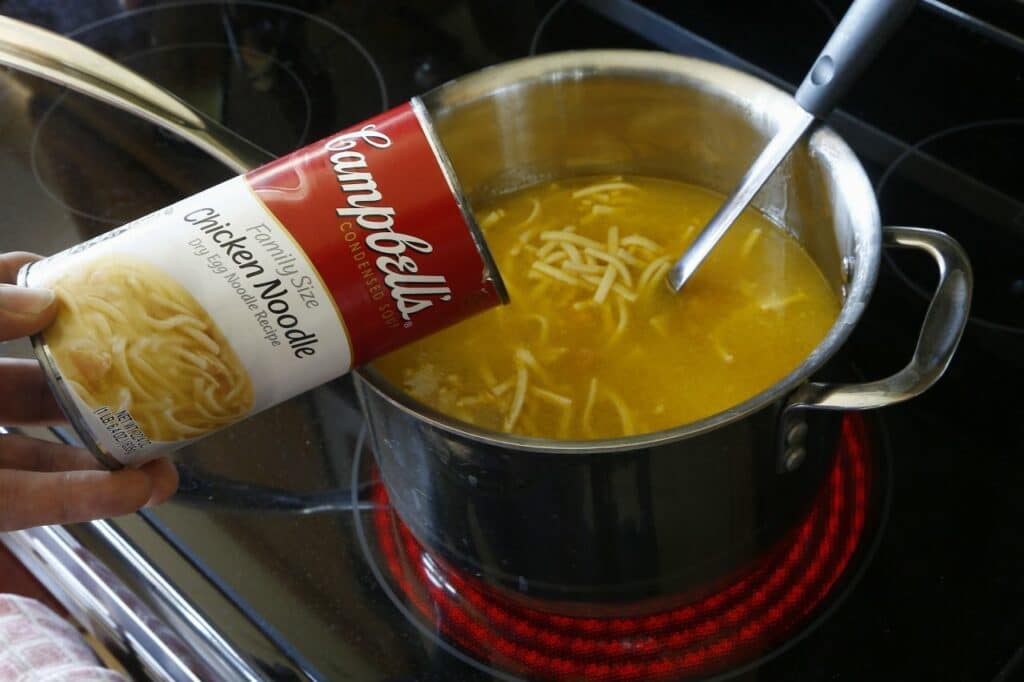
15 Foods You Should Never Eat If You Have High Blood Pressure  Canned soups may look extremely nutritious when you are looking at their advertisements in which they promote the use of healthy veggies that provide nutrition. However, in reality, canned soups are a major aggravator of hypertension. These canned goods are loaded with a sodium content that increases the speed of the flow of blood. Therefore, while selecting a canned soup, a person should make sure he goes for a can with a “low sodium” label on it.

3. Deli-meats

Deli-meats are processed meats. They have been made to last longer and to stay unspoiled. They are used to make quick sandwiches and are considered nutritious. However, these meats contain a large amount of sodium content. Almost a two-ounce serving of the regular deli-meat has about 600 milligrams of sodium content. When this deli meat is paired with other ingredients to make a sandwich, the sodium content reaches alarming levels. 

4. Chinese take-outs

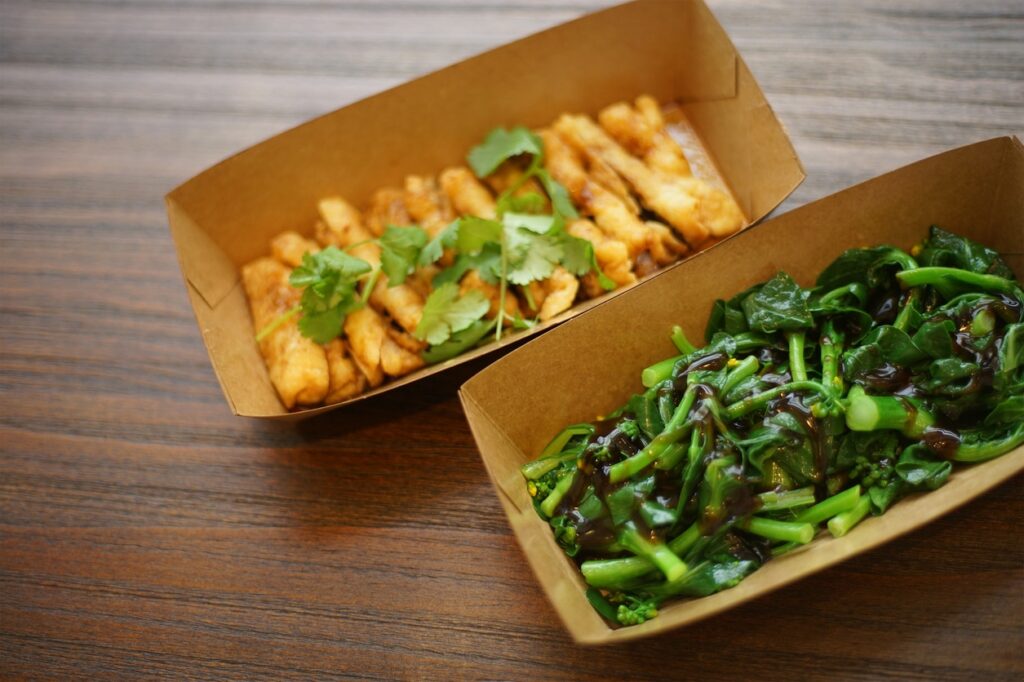
 15 Foods You Should Never Eat If You Have High Blood Pressure Chinese take-outs are a favorite for people these days. When living in a fast-paced society, places that offer these budget-friendly and quick food items are considered saviors. However, this is not the case. Chinese take-out places use oils that are sodium content rich. That is why sautéed veggies in a Chinese place look so shiny. Also, Chinese take-out contains a large quantity of canned sauces as well as other sodium-rich ingredients that cause hypertension.

5. Frozen Pizzas

Frozen pizzas are considered to be a quick fix when lunch isn’t cooked or when you feel too lazy to get something to eat. Pop them in the oven and wait till the cheese starts the melt and the dough turns crispy and golden. However, to conserve the frozen pizzas, a large amount of salt is used. This high sodium concentration aggravates blood pressure and causes various heart diseases.

6. Tomato sauce can

Pre-made sauces are also sodium bombs. Salt is used as a preservative in these sauces, and this salt causes a disturbance in the electrolyte balance of the body. When the electrolyte balance is disturbed, the kidneys get disturbed as well, and the blood pressure increases. Therefore, your favorite pasta dish could be causing your high blood pressure because of the canned tomato sauce used in it. 

7. Pickles

To preserve anything, salt is used. And pickles are salted and preserved vegetables that are dipped in oil or vinegar for fermentation and flavor. These pickles are eaten as a side as well as put in various sandwiches and burgers all around the world. The extremely high sodium content in these aggravates blood pressure and can turn even a simple cucumber into a sodium bomb.   

8. Alcohol

There is not one health benefit of drinking alcohol. Intake of a large amount of alcohol causes a temporary increase in blood pressure, but prolonged abuse of alcohol results in increased levels of blood pressure and this causes hypertension along with other heart diseases. Intake of a large quantity of alcohol also causes obesity, and obese people are more liable to have high blood pressure. Thus, a person should limit their alcohol consumption as much as possible. 

9. Baked goods

Baked goods may look healthy because of the brilliant smells and the amazing taste of it. Plus, the idea of something being freshly baked sounds very healthy and nutritious. However, baked goods are rich in sugar content, and this sugar also causes a spike in blood pressure. Furthermore, in slices of bread, pastries, and croissants – salt is added. This salt increases blood pressure levels due to an increased level of sodium in the bloodstream. 

10. Bacon

Bacon is a calorie bomb. They are sticks of fats that are fried in cholesterol pools. The worst thing is that people eat this for breakfast and breakfast is the most important and vital meal of the day. Therefore, eating something this unhealthy, this early in the morning has even more adverse effects than eating it at another time would. Due to the fat content of bacon, the blood pressure rises, and this results in overexertion of the heart.

11. Coffee

Coffee is an excellent drink in the morning, and it is an amazing substituent of energy drinks. However, unprecedented and uncontrolled use of caffeine-rich drinks can result in a spike in blood pressure, and this causes hypertension of the heart. Coffee also causes a person to lose their libido; thus the use of coffee should be reduced. Furthermore, the spike in blood pressure caused by coffee intake is sudden and therefore can cause more harm.   

12. Candies

Candies, toffees, and chocolate bars also cause an increase in the sodium levels of the body. They also spike up the sugar levels violently, and this results in increased blood pressure as well. The intake of a large amount of sugary foods also causes obesity which is directly relative to the overexertion of the heart and the increase of blood pressure. 

13. Carbonated drinks

Carbonated drinks also supply nothing more than an unhealthy stream of sugary content. Carbonated drinks cause a lot of diseases and aggravate the blood pressure as well. Carbonated beverages also ruin the oral health of a person and cause dehydration. This dehydration further causes electrolyte imbalance in the body and results in hypertension and blood pressure increase. The avoidance of carbonated drinks can create a healthier lifestyle. 

14. Red meat

Every doctor’s first advice to a person suffering from high blood pressure is to avoid or altogether boycott red meat. Red meat is a major source of haem iron to the body. This haem iron is directly related to the blood pressure levels of the human body. The red meat also contains more sodium content than white meat and sea-food; therefore, the use of red meat should be lessened to control blood pressure and avoid hypertension. 

15. Donuts

 15 Foods You Should Never Eat If You Have High Blood Pressure

 Donuts are every age group’s favorite snack. However, these little snacks are incredibly unhealthy. They destroy the oral health of a person by acid deposition inside the mouth. They cause obesity which directly co-relates with hypertension and exertion of the heart. Consumption of donuts also spikes sugar level which causes a further aggravation of the blood pressure levels.


https://gscrochetdesigns.blogspot.com. one can see my crochet creations  

https://kneereplacement-stickclub.blogspot.com. for info on knee replacement

https://cancersupportindia.blogspot.com  for info on cancer and health related topics

https://GSiyers home remedies.blogspot.com   is the latest addition to my blogs


Monday, July 7, 2025

20 Foods That Should Be Kept Out of the Refrigerator

Today we take it for granted, however, refrigerators are an ingenious product that changed everything when they were invented. With these special electrical devices, people could finally keep food for longer without worrying about spoiling, thus saving money and enjoying fresh food at all times. Despite the necessity of the refrigerator when it comes to keeping food fresh, you don’t actually need to store every food item you bring home from the grocery store in it. There are certain foods, both natural and processed, which are altered both in taste, texture and even nutritional value when refrigerated. The list of the following 20 foods, which are not recommended to be kept in the refrigerator, will allow you to save space and make the most of the taste and nutritional value of your favorite foods.

1. Bananas  
This favorite summer fruit ripens quickly when it’s outside, but that doesn’t mean that it needs to be kept in the refrigerator to prolong its life. This is because the nutrients, that is, the vitamins and minerals in the bananas, are stored better outside of the refrigerator than inside it. 
 
2. Whole watermelon 
Cold watermelon is a summer favorite, but it isn’t recommended to put the whole fruit into the refrigerator if you want to store it at home. Storage of a whole watermelon in the refrigerator damages the essential antioxidant content of beta-carotene, which is found in the fruit. Therefore, whole watermelons are best kept outside the refrigerator, and if you want some chilled pieces, cut them beforehand, put them in a sealed box and kept them in the refrigerator until you want a healthy snack.

3. Coffee  
foods
 
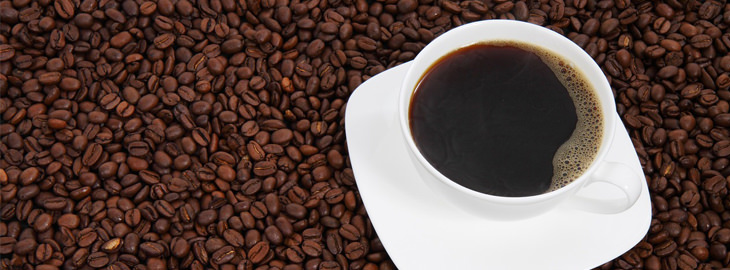
Humidity conditions in the refrigerator are the enemies of coffee of all kinds, therefore, it is recommended to avoid storing whole and ground coffee beans of in the refrigerator. The moisture in the refrigerator "sticks" to coffee, changes its flavor and destroys its wonderful aroma.

4. Peaches 
When peaches are placed in the refrigerator, their ripening process stops, and consequently, they don’t reach the stage where their taste becomes as it should be. Moreover, cooling causes damage to the nutritional components of these wonderful fruits, which is why it’s not recommended to keep them in the refrigerator. 
 
5. Mango 
This exotic fruit is not used to cool temperatures, so it is not advisable to put it in the refrigerator. The essential components of the mango break down when they come into contact with cold, and so, they may lose the nutritional values that make them so healthy for us. 
 
6. Plums  foods
 
Many times, cold causes plums to shrink and lose their form and beloved juicy texture. The components in the purple fruit, like dietary fibers that help regulate digestive activity, are damaged by the cold and therefore should not be stored in the fruit drawer.

7. Oils 
Storage of oil in a place exposed to sunlight causes it to oxidize which is harmful to its composition, but on the other hand, storing it in the refrigerator also harms it. When storing different oils in the refrigerator - especially olive and avocado oil - they crystallize into a buttery texture which damages their taste. 
 
8. Pumpkin 
When storing pumpkin in the refrigerator, moisture causes it to develop mold, and even when that is not the case – its taste can still be damaged. The wetness in the refrigerator may seep into the pumpkin and change its taste, which is why it’s better to opt for cool and shaded places, such as the pantry, over keeping pumpkin in the refrigerator. 
 
9. Basil 
foods 
Basil is a delicate herb that quickly wilts in the cold, and it also absorbs odors that change its taste from the various items in the refrigerator. Therefore, it is recommended to place basil stalks into a vessel with water, cover its leaves with a bag and put it in a shaded place, so that they hold longer and don’t become damaged. 


10. Kiwi 
Despite its rough appearance, kiwi is sensitive to external influences such as cold. When this fuzzy, sour fruit is placed in the refrigerator, its nutritional value is also impaired as well as its appearance, taste, and texture, which is why the fridge is not the place for it. 
 
 
11. Onions (especially cut) 
Onions have a great amount of liquid, and when put into the refrigerator they are fertile ground for the development of mold that requires moisture to survive. Furthermore, chopped onion absorbs bacteria and odors from the refrigerator, so it is recommended to use it all if cut, or alternatively chop and freeze it. 
 
12. Garlic 
When garlic is placed in the refrigerator, the cold causes it to sprout, and it also develops mold and has a texture reminiscent of rubber. To prevent this, do not store it in the refrigerator, and choose a cool, dry place where it can be kept naturally for a long time.


13. Eggplant 
Eggplants are especially sensitive to cold, and when placed in the fridge they quickly spoil and tend to shrink and develop a rubber-like texture as well as mold in their stem. In addition, the natural ethylene gas released from fruits and vegetables further damages the eggplant and causes them to spoil and lose their flavor. 
 
14. Sweet potatoes 
When sweet potatoes are brought into the refrigerator, the structure of their cell walls changes and becomes stiff and hard to cut. The cooling also damages their texture, so it takes longer to prepare them, unlike sweet potatoes kept outside the refrigerator. Refrigerator moisture also causes the development of mold and a stale taste, so this is definitely not the place for them. 
 
15. Hot and sweet peppers  
When sweet peppers are put into the refrigerator, their natural color fades with time and humidity causes them to develop mold that harms their taste and also makes them inedible. They also tend to shrink when refrigerated, just like their little brothers - hot peppers, therefore, it is not recommended to put both types of peppers in there.

16. Peanut butter  
Fine peanut butter spreads wonderfully on bread and can be used as a snack in itself or even as an ingredient in cookies. When you put the salty-sweet spread to cool in the fridge, its texture becomes damaged and it becomes difficult and almost impossible to spread, so the refrigerator is definitely not the place for it. 
 
17. Nectarines  
This wonderful fruit is eaten in its fresh form and also used to make a variety of pastries, but refrigeration can damage its unique taste. The moisture created in the refrigerator causes the nectarines to soften, even if they are not yet ripe so that their delicate skins absorb unpleasant flavors. When nectarines are refrigerated, they tend to spoil quickly, so it is recommended to take them out of the fridge and store them on the counter. 
 
18. Cereal 
Sometimes cereal is kept in the refrigerator to prevent ant infestations, but instead, it is recommended to place them in a well-sealed container. When you put cereal in the refrigerator, it can become sponge-like and absorb the smells and flavors around it, as well as soften and lose its flavor and texture. If there is extra sugar in the grains, they crystallize into soft, inedible lumps that stick together and lose their well-known crispness and flavor.

19. Salad dressings 
Salad dressing based on vinegar and oil - like vinaigrettes - are found in almost every refrigerator, but it is certainly not their place. The vinegar and the oil preserve the wonderful taste of the sauces, and when stored in the refrigerator, this taste becomes damaged because they absorb odors around them, even when their container is closed. 
 
20. Chocolate 
Some chocolates soften at room temperature and can be refrigerated, but most of these sweet treats remain solid even when they are outside the refrigerator. If you put chocolate in the fridge, its crystalline structure changes, it develops white spots and its flavor changes dramatically.

https://gscrochetdesigns.blogspot.com. one can see my crochet creations  

https://kneereplacement-stickclub.blogspot.com. for info on knee replacement

https://cancersupportindia.blogspot.com  for info on cancer and health related topics

https://GSiyers home remedies.blogspot.com   is the latest addition to my blogs


Monday, April 21, 2025

Danger Zone: What Not to Store Beside Your Cooktop

Some kitchen habits feel automatic—like placing the paper towel roll near the stove or hanging your favorite oven mitts within reach. It makes sense, especially when you’re trying to keep things convenient. But that convenience can come with risks you might not realize. Your stove top can easily hit temperatures over 500 degrees Fahrenheit, which means anything nearby or above it could be exposed to heat well past 100 degrees. This can result in dried out foods, melted objects, and even a fire.

If you’ve been storing common items next to your stove top without a second thought, it might be time for a quick kitchen re-check. Here’s a look at ten things that should always be kept away from the stove—even if it seems harmless at first.
 
1. Cooking Oil
Kitchen Items You Should Never Keep Near the Stove 
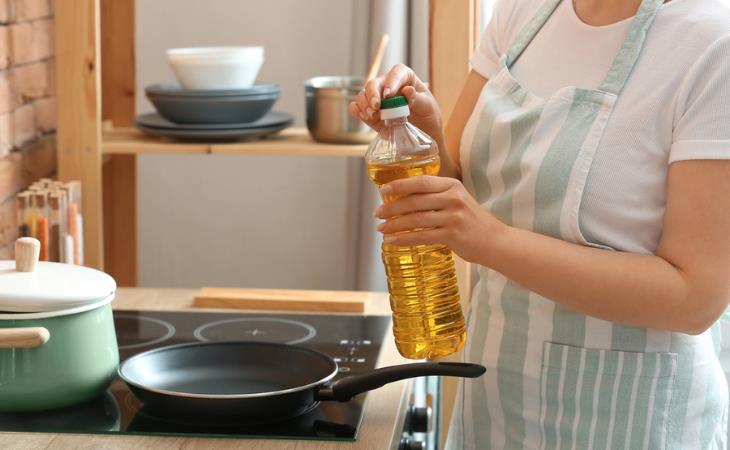
It might seem convenient to keep your bottle of oil close to where you cook, but it’s not a great idea. Oil stored near heat sources like a stove can easily become a fire hazard. A bottle too close to a burner or open flame could catch fire or spill and trigger a grease fire. These are tough to manage and can spread fast. 
 
There’s also the long-term issue of quality. Heat exposure speeds up oxidation, which makes oil go rancid faster. This not only ruins the flavor, but it also affects the oil’s safety and shelf life. To avoid these problems, store your oil in a cool, dry cupboard instead. 
 
2. Spices 
Kitchen Items You Should Never Keep Near the Stove
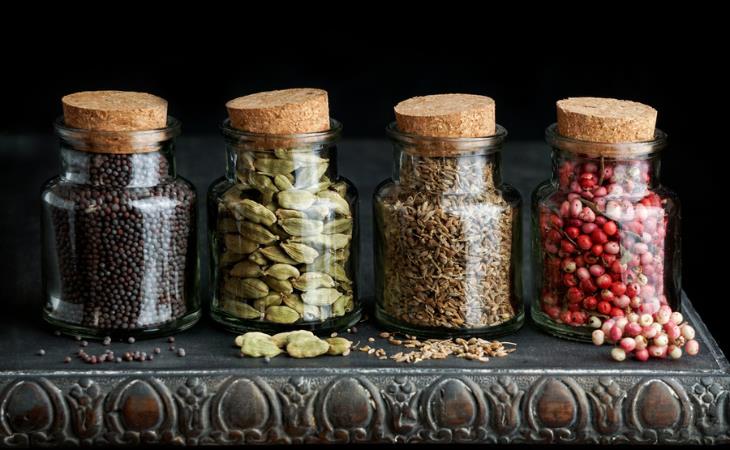
Even though spice racks built into kitchen walls may look sleek, having them right next to the stove is not ideal. Spices are sensitive to heat and moisture, and keeping them close to a hot, steamy area causes them to lose flavor and color more quickly. If you use your spices often, this can add up to a lot of wasted money. You’ll get the most out of your spices if you store them in a dark, cool cabinet or pantry where the temperature doesn’t fluctuate as much. 
 
3. Coffee 
 Kitchen Items You Should Never Keep Near the Stove
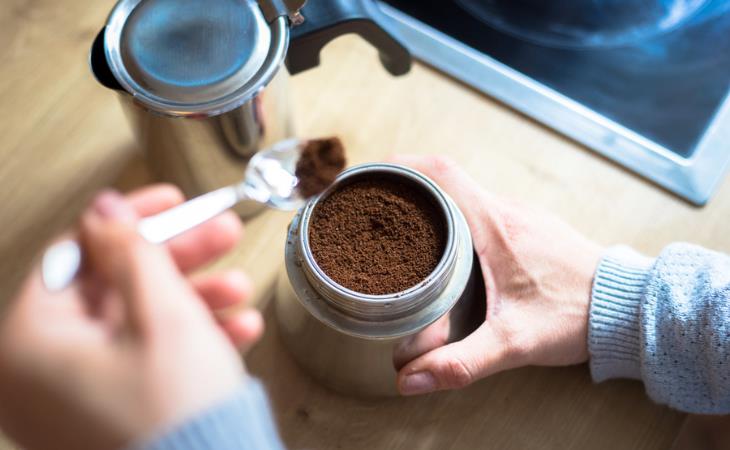
Placing coffee beans or grounds near the stove can seriously mess with their flavor. High temperatures break down the aromatic compounds that give coffee its taste and smell. Over time, this leads to a stale or bitter brew. And there’s another issue: steam. If moisture seeps into your coffee, it can lead to clumping and even mold—especially if your container isn’t fully sealed. 
 
The best way to store coffee is in an airtight, opaque container kept somewhere cool and dark, away from heat or changing temperatures. 
 
4. Fruit Bowls
Fruit might look great sitting on the counter, but placing your fruit bowl too close to the stove is a recipe for quick spoilage. The heat and steam can cause fruit to soften, over-ripen, or rot faster than it normally would. Even durable fruits like apples and oranges can be affected. 
 
If space is tight, consider moving the bowl to a nearby table or another cooler corner of the kitchen. This helps keep your fruit fresher for longer and cuts down on food waste. 
 
5. Medications and Supplements
Are you one of those who like to keep vitamins or medications in the kitchen for daily convenience? You should think again. Heat and humidity from cooking can break down active ingredients, which reduces effectiveness and might even make them unstable. This applies to common supplements like probiotics and fish oil, too.
 
A better place is a cool, dry spot with a stable temperature. Always check the label for storage instructions, and unless refrigeration is recommended, avoid storing them in the kitchen altogether.

 
6. Corded Kitchen Appliances
 Kitchen Items You Should Never Keep Near the Stove
 
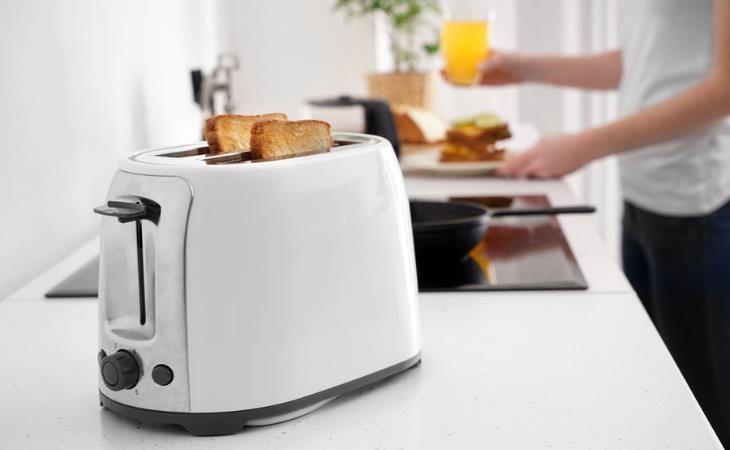
Many of us tend to leave appliances like toasters or blenders near the stove. It saves counter space, right? But have you considered the fact that cords can slip or get knocked over onto hot burners, which can start fires? Even if the appliance isn’t on, the surrounding heat can damage the wires or internal parts. Grease and food splatter from cooking can also gum up the machines. 
 
A safer bet is to plug them in away from the stove or store them when not in use. Ideally, give them their own space on a separate counter or cabinet to keep things organized and safe. 
 
7. Paper Towels
They’re in nearly every kitchen and are used all day long. But paper towels and heat aren’t a safe mix. In smaller kitchens, it’s easy to place the roll right next to the stove just for convenience. That small move could be a big mistake. If exposed to heat or open flames, paper towels can easily ignite, especially in a rush when you're cooking on multiple burners. 
 
Instead, keep them tucked in a drawer or hung from a rack well away from any source of heat. It’s a simple shift that can prevent a kitchen accident. 
 
8. Wooden Cutting Boards
Wood doesn’t belong anywhere near your burners. When exposed to the heat and steam from cooking, wooden cutting boards can expand and contract. That constant stress warps the board and can cause cracks to form. Those tiny splits? Perfect for bacteria to settle in. And since it’s flammable, it’s not something you want propped up next to an open flame. 
 
Store it upright inside a cabinet or on a rack at the far end of your counter if you're short on space. It’ll last longer and stay safer.

 
9. Canned Goods
Canned foods are meant to be stored at room temperature, and most people assume that means anywhere in the kitchen is fair game. That isn't wise because placing them above or next to the stove can raise their internal temperature much higher than you think. According to food safety guidelines, when canned goods are exposed to temperatures above 100°F, the risk of spoilage goes up. It's better to move your canned beans and soups to a cool pantry or cabinet instead of that shelf above the stove.


10. Dish towels and Oven Mitts
They’re used right at the stove, so it feels natural to keep them nearby. However, you must remember that towels and mitts are usually made from fabrics that catch fire quickly if they accidentally fall onto a hot burner. Instead of leaving them draped on the oven handle or tossed beside the stove, find a drawer or basket to store them in. Keeping them out of the heat’s reach can help prevent unexpected flare-ups when you’re moving fast in the kitchen.


https://gscrochetdesigns.blogspot.com. one can see my crochet creations  

https://kneereplacement-stickclub.blogspot.com. for info on knee replacement

https://cancersupportindia.blogspot.com  for info on cancer and health related topics

https://GSiyers home remedies.blogspot.com   is the latest addition to my blogs


Monday, August 19, 2024

Foods which you should not refrigerate


1. Bananas

Bananas once kept in the fridge will not ripen, hastening the natural ripening process. Once ripened, it can be refrigerated.

2. Chocolates

Chocolates when kept in the fridge can hamper the taste, texture, and color of the chocolates.

3. Citrus Fruits

Citrus fruits when kept outside remain fresher and more juicier. Storing them in a cool and dry place is sufficient.

4. Dried Fruit

Dried fruit once put in the fridge can contain moisture and it can become soft and soggy, changing its taste and texture.

5. Avocados

Avocados, if unripe, should be kept outside to hasten its ripening process. Once ripened or cut, it can be refrigerated.

6. Fresh Herbs

Fresh herbs can be simply kept in a glass of water until use, instead of it being refrigerated. Refrigeration can make the leaves turn soggy and wilted.

7. Garlic

If garlic is kept in the fridge, it deteriorates quickly because of its added moisture (unless it is already peeled or prepared).

8. Butter

Butter can become hard once refrigerated, making it difficult to apply over bread. Butter is also often made with pasteurized milk, which makes it less prone to bacterial growth. The salt in your butter also wards off bacteria growth—but, if you have unsalted butter, it’s best kept in the fridge. You can keep a small quantity of butter on the countertop as much as you can use for 1-2 weeks.

9. Chocolate Spread

Chocolate spread can become hard once refrigerated, making it difficult to apply over bread. Also, the oils separate once kept in the fridge.

10. Honey

Honey if kept in the refrigerator can crystallize and solidify and it can change the taste and texture.

11. Jam

Jam, if unopened or store-bought can be kept outside until it is opened.

12. Hot Sauce

Hot sauce contains vinegar and doesn’t get spoilt even if kept outside.

13. Cucumber

For optimal preservation of cucumbers, avoid storing them in the fridge as this may cause them to become watery and develop pits.

14. Mangoes

Mangoes, if unripe, should be kept outside to hasten its ripening process. Once ripened or cut, it can be refrigerated.

15. Pastries

Pastries are best kept at room temperature as refrigeration can change its taste and texture.

16. Olive Oil

Olive oil can become grainy and cloudy if kept in the fridge and could also solidify in some cases.

17. Onions

Onions contain starch and when refrigerated, they can become soggy and damp.

18. Pears

Pears should be kept at room temperature to help them in their ripening process.

19. Pickled Vegetables

Pickled vegetables (if store-bought)contain preservatives, brine, and salt that can make them last long outside without spoiling.

20. Potatoes

Potatoes if refrigerated turn starch into sugar and can make it tasteless and can cause a change in its color.

21. Pineapple

Pineapples are best kept outside to help hasten the ripening process. Once cut, you can store it in the refrigerator.

22. Soy Sauce

Soy sauce contains high levels of salt and it can safely be kept outside the fridge without spoiling.

23. Sweet Potatoes

Sweet potatoes if kept in the fridge can alter it’s flavor and texture, due to a change in its chemical composition upon refrigeration.

24. Tomatoes

If tomatoes are kept in the fridge, the outer membrane gets watery and can dampen its flavour.

25. Tomato Ketchup

Tomato ketchup has a high content of salt, sugar, and vinegar and thus can be safely kept outside the fridge without it getting spoiled.

26. Pumpkin

Pumpkins should be kept outside as it toughens their skins and keeps them fresher longer.

27. Bread

Bread can be kept outside for a few days, even if not consumed. Refrigerating bread can make it hard and change its taste and texture.

28. Spice Powders

If spice powders are kept in the fridge, it will simply cause unwanted condensation and could minimize shelf-life and change the taste.

29. Peanut Butter

Peanut butter can become hard once refrigerated, making it difficult to apply over bread. Also, the oils separate once kept in the fridge.

30. Coffee

Coffee fares best in an airtight container. Refrigeration condenses coffee and reduces the flavor.                           

https://gscrochetdesigns.blogspot.com. one can see my crochet creations 
https://kneereplacement-stickclub.blogspot.com. for info on knee replacement
https://cancersupportindia.blogspot.com  for info on cancer and health related topics
https://GSiyers home remedies.blogspot.com   is the latest addition to my blogs. I'm going to add posts there, do give me your valuable feed back on my blogs.