Some kitchen habits feel automatic—like
placing the paper towel roll near the stove or hanging your favorite
oven mitts within reach. It makes sense, especially when you’re trying
to keep things convenient. But that convenience can come with risks you
might not realize. Your stove top can easily hit temperatures over 500
degrees Fahrenheit, which means anything nearby or above it could be
exposed to heat well past 100 degrees. This can result in dried out
foods, melted objects, and even a fire.
If you’ve been storing common items next to
your stove top without a second thought, it might be time for a quick
kitchen re-check. Here’s a look at ten things that should always be kept
away from the stove—even if it seems harmless at first.
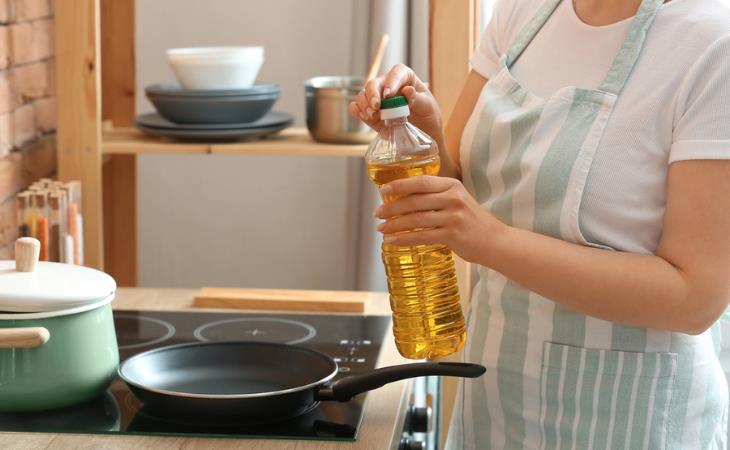
1. Cooking Oil
It might seem convenient to keep your
bottle of oil close to where you cook, but it’s not a great idea. Oil
stored near heat sources like a stove can easily become a fire hazard. A
bottle too close to a burner or open flame could catch fire or spill
and trigger a grease fire. These are tough to manage and can spread
fast.
There’s also the long-term issue of quality. Heat exposure speeds up
oxidation, which makes oil go rancid faster. This not only ruins the
flavor, but it also affects the oil’s safety and shelf life. To avoid
these problems, store your oil in a cool, dry cupboard instead.
2. Spices
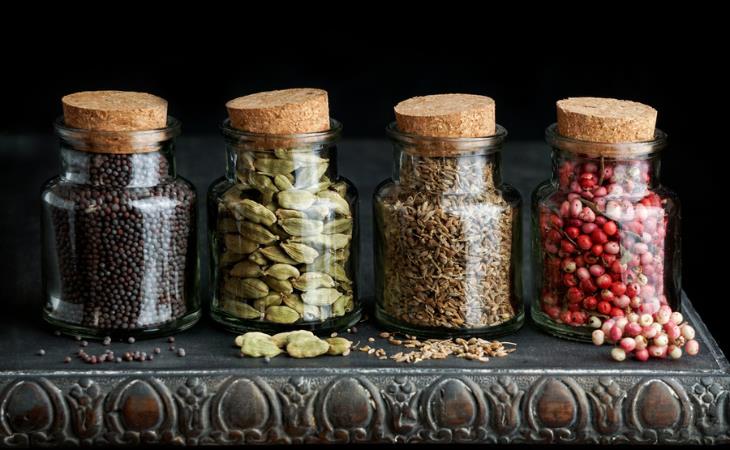
Even though spice racks built into kitchen
walls may look sleek, having them right next to the stove is not ideal.
Spices are sensitive to heat and moisture, and keeping them close to a
hot, steamy area causes them to lose flavor and color more quickly. If
you use your spices often, this can add up to a lot of wasted money.
You’ll get the most out of your spices if you store them in a dark, cool
cabinet or pantry where the temperature doesn’t fluctuate as much.
3. Coffee
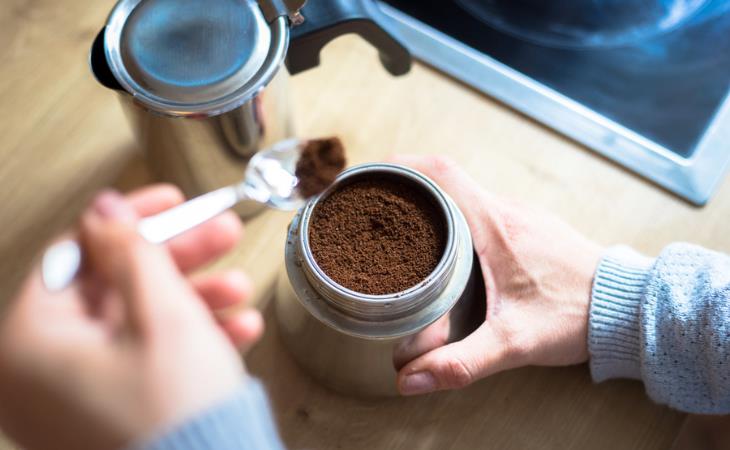
Placing coffee beans or grounds near the
stove can seriously mess with their flavor. High temperatures break down
the aromatic compounds that give coffee its taste and smell. Over time,
this leads to a stale or bitter brew. And there’s another issue: steam.
If moisture seeps into your coffee, it can lead to clumping and even
mold—especially if your container isn’t fully sealed.
The best way to store coffee is in an airtight, opaque container kept
somewhere cool and dark, away from heat or changing temperatures.
4. Fruit Bowls
Fruit might look great sitting on the
counter, but placing your fruit bowl too close to the stove is a recipe
for quick spoilage. The heat and steam can cause fruit to soften,
over-ripen, or rot faster than it normally would. Even durable fruits
like apples and oranges can be affected.
If space is tight, consider moving the bowl to a nearby table or another
cooler corner of the kitchen. This helps keep your fruit fresher for
longer and cuts down on food waste.
5. Medications and Supplements
Are you one of those who like to keep
vitamins or medications in the kitchen for daily convenience? You should
think again. Heat and humidity from cooking can break down active
ingredients, which reduces effectiveness and might even make them
unstable. This applies to common supplements like probiotics and fish
oil, too.
A better place is a cool, dry spot with a stable temperature. Always
check the label for storage instructions, and unless refrigeration is
recommended, avoid storing them in the kitchen altogether.
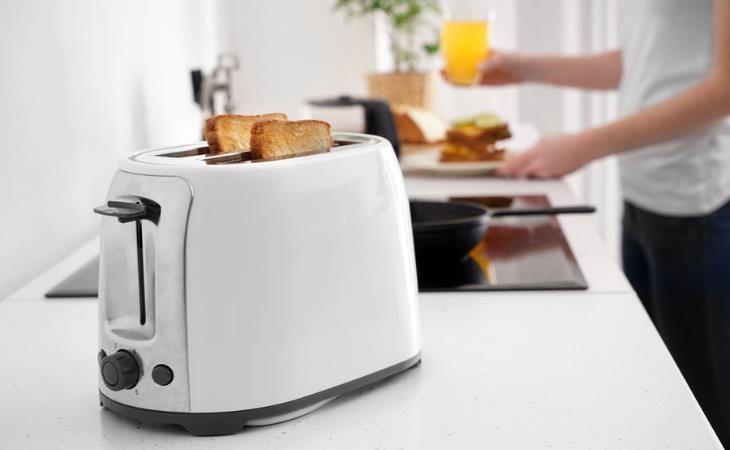
6. Corded Kitchen Appliances
Many of us tend to leave appliances like
toasters or blenders near the stove. It saves counter space, right? But
have you considered the fact that cords can slip or get knocked over
onto hot burners, which can start fires? Even if the appliance isn’t on,
the surrounding heat can damage the wires or internal parts. Grease and
food splatter from cooking can also gum up the machines.
A safer bet is to plug them in away from the stove or store them when
not in use. Ideally, give them their own space on a separate counter or
cabinet to keep things organized and safe.
7. Paper Towels
They’re in nearly every kitchen and are
used all day long. But paper towels and heat aren’t a safe mix. In
smaller kitchens, it’s easy to place the roll right next to the stove
just for convenience. That small move could be a big mistake. If exposed
to heat or open flames, paper towels can easily ignite, especially in a
rush when you're cooking on multiple burners.
Instead, keep them tucked in a drawer or hung from a rack well away from
any source of heat. It’s a simple shift that can prevent a kitchen
accident.
8. Wooden Cutting Boards
Wood doesn’t belong anywhere near your
burners. When exposed to the heat and steam from cooking, wooden cutting
boards can expand and contract. That constant stress warps the board
and can cause cracks to form. Those tiny splits? Perfect for bacteria to
settle in. And since it’s flammable, it’s not something you want
propped up next to an open flame.
Store it upright inside a cabinet or on a rack at the far end of your
counter if you're short on space. It’ll last longer and stay safer.
9. Canned Goods
Canned foods are meant to be stored at room
temperature, and most people assume that means anywhere in the kitchen
is fair game. That isn't wise because placing them above or next to the
stove can raise their internal temperature much higher than you think.
According to food safety guidelines, when canned goods are exposed to
temperatures above 100°F, the risk of spoilage goes up. It's better to
move your canned beans and soups to a cool pantry or cabinet instead of
that shelf above the stove.
10. Dish towels and Oven Mitts
They’re used right at the stove, so it
feels natural to keep them nearby. However, you must remember that
towels and mitts are usually made from fabrics that catch fire quickly
if they accidentally fall onto a hot burner. Instead of leaving them
draped on the oven handle or tossed beside the stove, find a drawer or
basket to store them in. Keeping them out of the heat’s reach can help
prevent unexpected flare-ups when you’re moving fast in the kitchen.

No comments:
Post a Comment