Even as some states are opening up and
visiting your coffee shop may be possible, many of us would still prefer
to keep outings to a minimum. So if you are not able or prefer not to
go to the coffee shop, why not bring the coffee shop to you? Making
quality, cafe-level coffee right at home is possible and doesn’t
necessarily require pricey equipment. We have compiled a list of a few
tips that will help you take your homemade coffee to the next level.
1. Make Infused Syrups
1. Make Infused Syrups
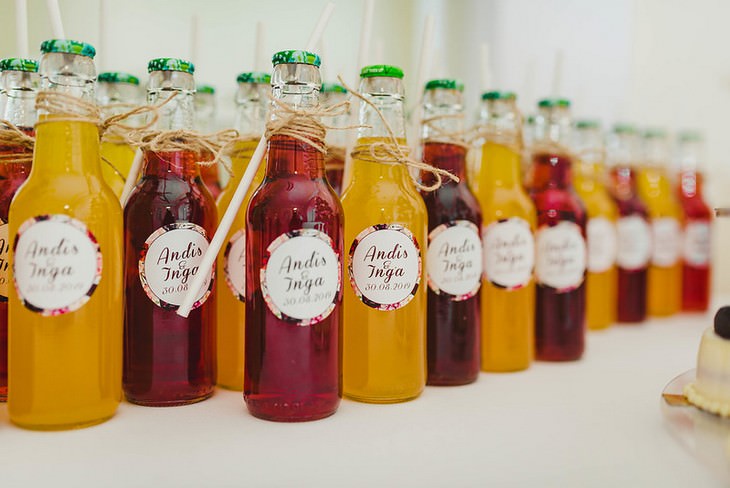
Flavored coffees like a lavender latte or
French vanilla may seem like a coffee shop treat, but they are quite
simple to make at home and can feel very refreshing and indulgent. It is
usually a syrup that are used to add flavor. You can go for fruit-based
syrups (which goes perfectly with iced beverages) like strawberry or go
for a more autumnal taste like vanilla or hazelnut.
To make a simple syrup base, add equal part granulated sugar and water
in a saucepan and bring to a boil, stirring, until the sugar has
dissolved. After you remove it from the heat let it cool completely
before use. You can choose a flavoring item to your liking, and simply
add it to this base - it can be sliced strawberries, oranges, vanilla
beans, or a cinnamon stick. The options are nearly endless. Allow the
mixture to infuse, thus transferring flavor to the syrup.
2. Coffee Ice Cubes
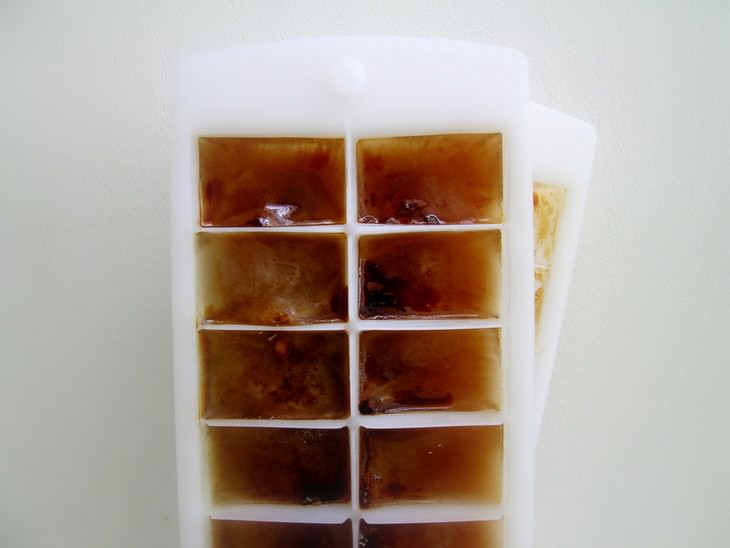
This simple trick can make your summertime
iced coffee a lot more potent. It is recommended to let the brewed
coffee cool down to room temperature before pouring it into the ice cube
tray. For those who like their coffee strong, you may brew
double-strength coffee to freeze.
To make the iced coffee, all you need is fill a glass with the frozen
coffee cubes, pour some milk over them, stir and enjoy! If you’d like to
tweak your summer coffee to make it more special, you may mix three to
four coffee ice cubes in the blender with about five ounces of milk and a
teaspoon of honey.
3. Quick Cold Brew

To get a good batch of cold brew, let it
steep overnight or at least 12 hours. While this process makes for
delicious summertime coffee it’s quite time-consuming and requires
planning. If you feel like a spontaneous glass of homemade cold brew,
Japanese-style iced coffee is the quicker option and the result is just
as delicious.
The way to do it is to brew a double-strength pot of coffee and then
immediately pour it over ice. The key is to waste no time and pour the
brew straight away to prevent acidity from developing. When the ice
melts down, the coffee doesn’t lose any of its flavors and doesn’t get
diluted.
4. Get Fancy with Milk

If you’re a latte fan, you can imitate the
coffee shop experience by getting the milk just right. Latte is a
shortened version of the Italian term Cafe Latte, which literally
translates into coffee with milk. Essentially a latte is a blend of
espresso and steamed milk, topped up with a dollop of milk foam (if you
don’t own an espresso machine or a pod coffee maker, a strong French
press, or double-strength brewed coffee will do the trick). The
important difference between steamed and frothed is that frothed milk
has a soft bubbly texture that cannot survive without heat. Think of it
this way: you can have steamed milk by itself but the same does not
apply for frothed milk.
Here are a couple of ways to steam or froth milk without the help of any
expensive equipment.
How to Steam:
1. Pour the milk into a small saucepan and place it on the stove-top.
2. Place a thermometer in the milk to monitor the temperat
ure. If this
isn’t possible, just have the thermometer handy to periodically check
the temperature.
3. Heat the milk on medium to medium-low. Depending on the type of milk
you use, you want to hit a certain temperature to steam it:
Milk: 150ºF (65ºC)
Soy milk: 140ºF (60ºC)
Almond milk: 130ºF (54ºC)
4. Occasionally stir the milk to keep it from boiling. Once it hits the
appropriate temperature, remove the milk from heat and pour it directly
into your coffee, or froth it.
The easiest way to froth the milk is to pour it into a large jar with a
lid. Make sure you fill no more than a third of the jar. Screw the lid
on tightly, and shake the jar vigorously until the milk is frothy and
has roughly doubled in volume. This should take 30 to 60 seconds.
5. Pay Attention to the Beans
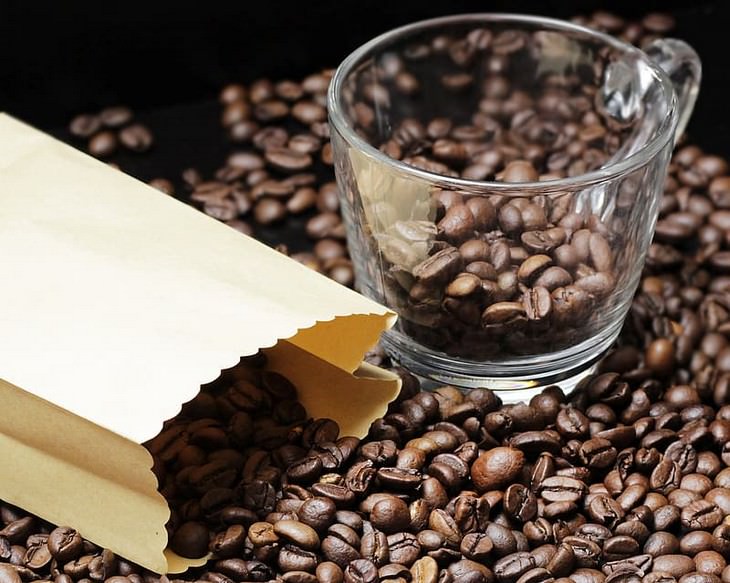
The rule of thumb is: if you don’t use good
coffee beans you won’t get a good cup of coffee. Coffee beans have
different flavor profiles depending on where they are grown, how they
are processed, how they are roasted, and how they are brewed.
The sheer variety can be daunting. At large, there are two types of
coffee beans - Robusta and Arabica. The Arabica type of coffee grows in
high-altitude areas. It is commonly known for its slightly acidic,
smooth taste. The first step is to know what type of flavor you want and
how caffeine you want in your coffee. Contrary to popular belief, dark
roasted coffee beans contain lower levels of caffeine than those whose
roasting is light or medium. Light-roast beans have the highest level of
caffeine of all three.
Another important tip is to always check the roast date - you want your
beans freshly roasted. If you don’t have a coffee grinder in your house,
go for the whole bean bag and ask the supermarket or café to grind them
for you.
As far as flavors go, that is really up to personal taste. Let’s say you
love the signature brew of your local coffee shop - does it have nutty
cocoa notes or maybe more of a citrusy note? It may be a bit of trial
and error until you figure out your exact tastes, but it will surely
broaden your coffee experience.

No comments:
Post a Comment