Showing posts with label fruit chaat. Show all posts

Thursday, September 3, 2026

10 Easy-To-Make Janmashtami Bhog Recipes- Happy Janmashtami to All

The beauty of a Janmashtami bhog is that it does not have to be an elaborate feast. Many of the most loved offerings are wonderfully simple, built around ingredients such as milk, curd, makhana, nuts, fruits and traditional grains. So, if you are putting together a bhog thali this Janmashtami, these 10 recipes are a good place to start, festive enough for the occasion, but easy enough to make without spending all day in the kitchen.

1. Makhan Mishri ( this one also mentioned earlier)

You cannot really begin a Krishna bhog list anywhere else. This is possibly the simplest offering on the table: fresh white butter topped with mishri, or rock sugar.

or a homemade version, churn chilled malai with a little cold water until the butter separates. Wash and drain it, then serve it with crushed or whole mishri. Add a few tulsi leaves before offering if that is part of your household tradition. The contrast of cool, creamy butter and crunchy sweetness is exactly what makes this tiny dish so satisfying.

2. Dhaniya Panjiri ( this recipe, I've mentioned earlier)

A Janmashtami classic, dhaniya panjiri is made with roasted coriander powder rather than the wheat flour used in some other versions of panjiri. Dry roast coriander powder in ghee until fragrant. Add powdered sugar, roasted makhana, grated coconut and chopped nuts, then mix everything together. A pinch of cardamom brings it together.

It has a wonderfully nutty, aromatic flavour and takes barely 15 minutes to put together. It is also traditionally associated with Krishna Janmashtami celebrations, making it far more interesting than simply adding another sweet to the bhog plate.

3. Makhana Kheer

If regular rice kheer feels too predictable, make it with makhana instead. Roast fox nuts in a little ghee, crush some coarsely and simmer them in full-fat milk until thick and creamy. Sweeten with sugar, add cardamom and finish with chopped almonds and pistachios. Keep some makhana pieces whole for texture. Served chilled, this makes an especially good midnight bhog after the Janmashtami celebrations.

4. Nandlal-Style Peda

Peda is closely associated with the Braj region and the food traditions surrounding Krishna. You do not need a complicated mithai-making setup to make it at home. Cook crumbled khoya on low heat until it becomes slightly golden and fragrant. Add powdered sugar and cardamom only after reducing the heat, then shape the mixture into small pedas once it cools enough to handle.

Press a pistachio or a tiny saffron strand into the centre for a festive finish.

5. Sweet Poha

A simple bowl of sweet poha can make an unexpectedly lovely addition to a Janmashtami spread. Rinse thick poha lightly and let it soften. Toss it with grated coconut, chopped banana, milk and a little jaggery or sugar. For extra flavour, add cardamom and a handful of roasted nuts. Keep the consistency soft rather than wet. It is the kind of humble preparation that reminds you that festive bhog does not have to mean spending hours in the kitchen.

6. Panchamrit

Technically a drink rather than a dish, panchamrit is an essential part of many Krishna Janmashtami rituals. The name refers to its traditional combination of five ingredients. Mix milk, curd, honey, ghee and sugar, stirring gently until smooth. Add a little chopped banana, tulsi or dry fruit only if that matches your family or regional tradition. Make it fresh and serve in small portions. Its creamy, mildly sweet taste makes it a natural accompaniment to the rest of the bhog.

7. Sabudana Laddoo

Sabudana is usually associated with fasting, but it can also be turned into a delicious little laddoo for a Janmashtami spread. Roast sabudana until crisp, cool it and grind it into a coarse powder. Mix with powdered sugar, roasted peanut powder, cardamom and warm ghee. Add a little more ghee if needed and roll into bite-sized laddoos.

The roasted peanut and sabudana combination gives these much more character than the usual flour-based laddoo.

8. Lauki Halwa

Do not underestimate the humble bottle gourd. When slowly cooked with milk, sugar and ghee, lauki halwa becomes silky, fragrant and surprisingly rich. Grate the lauki, squeeze out excess water and cook it until tender. Add milk and simmer until reduced, then stir in sugar, ghee and cardamom. Finish with chopped nuts.

It is especially useful if you want one dessert on the bhog thali that feels homemade rather than store-bought.

9. Fruit Chaat

A Janmashtami bhog does not need to be entirely sweet or heavy. A bowl of fresh seasonal fruit keeps the plate bright and is particularly useful for those observing a fast. Combine banana, apple, pomegranate, pear and grapes, or use whatever is freshest. Keep the seasoning simple with a little roasted cumin and sendha namak if these are permitted in your fasting tradition. Otherwise, serve the fruit plain.

10. Makhana-Mishri Prasad

For the easiest final addition to the thali, roast makhana in a little ghee until crisp and toss it with crushed mishri and cardamom powder. That is it. The makhana stays crunchy, the mishri gives little bursts of sweetness and the cardamom makes it smell far more indulgent than the effort involved.

A Bhog Made With Intention

The most memorable Janmashtami bhog is not necessarily the one with the longest menu. Krishna’s food traditions are deeply tied to milk, butter, curd, grains, fruits and simple homemade sweets, reflecting the pastoral world of Braj that surrounds many of his childhood stories.

So this Janmashtami, whether you make an elaborate thali or simply prepare a bowl of makhan mishri and a small batch of panjiri, the point is the same: food made slowly, offered with devotion and shared afterwards as prasad.



https://gscrochetdesigns.blogspot.com. one can see my crochet creations  

https://kneereplacement-stickclub.blogspot.com. for info on knee replacement

https://cancersupportindia.blogspot.com  for info on cancer and health related topics

https://GSiyers home remedies.blogspot.com   is the latest addition to my blogs

Monday, August 3, 2026

From Sabudana Khichdi To Makhana Kheer, 10 Falahari Dishes To Try During Vrat

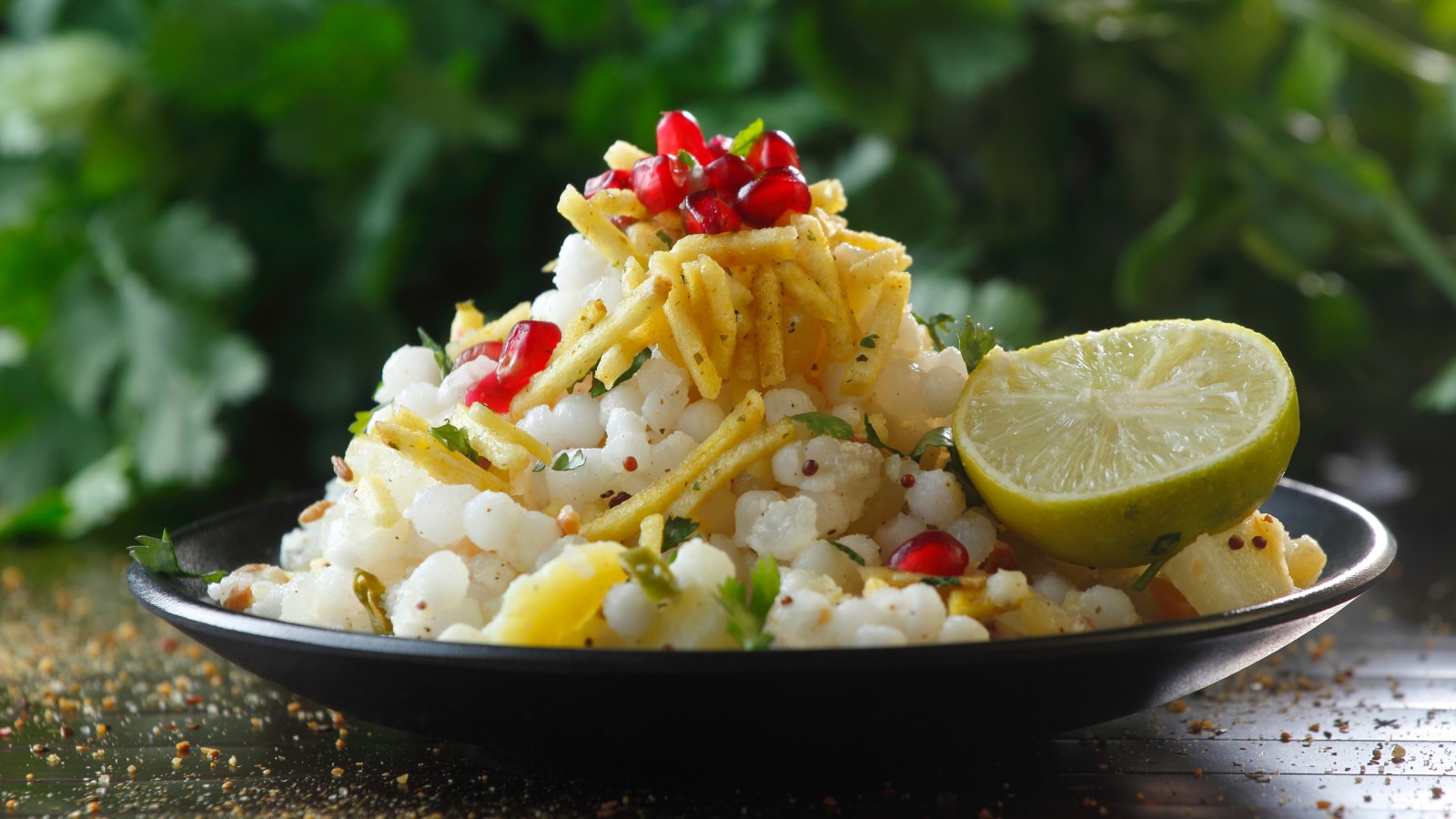
No vrat menu feels complete without a bowl of sabudana khichdi. Made with soaked tapioca pearls, roasted peanuts, potatoes and mild spices, this comforting dish is light on the stomach while keeping you full for hours. Pair it with chilled curd and a squeeze of lemon for the ultimate fasting meal.

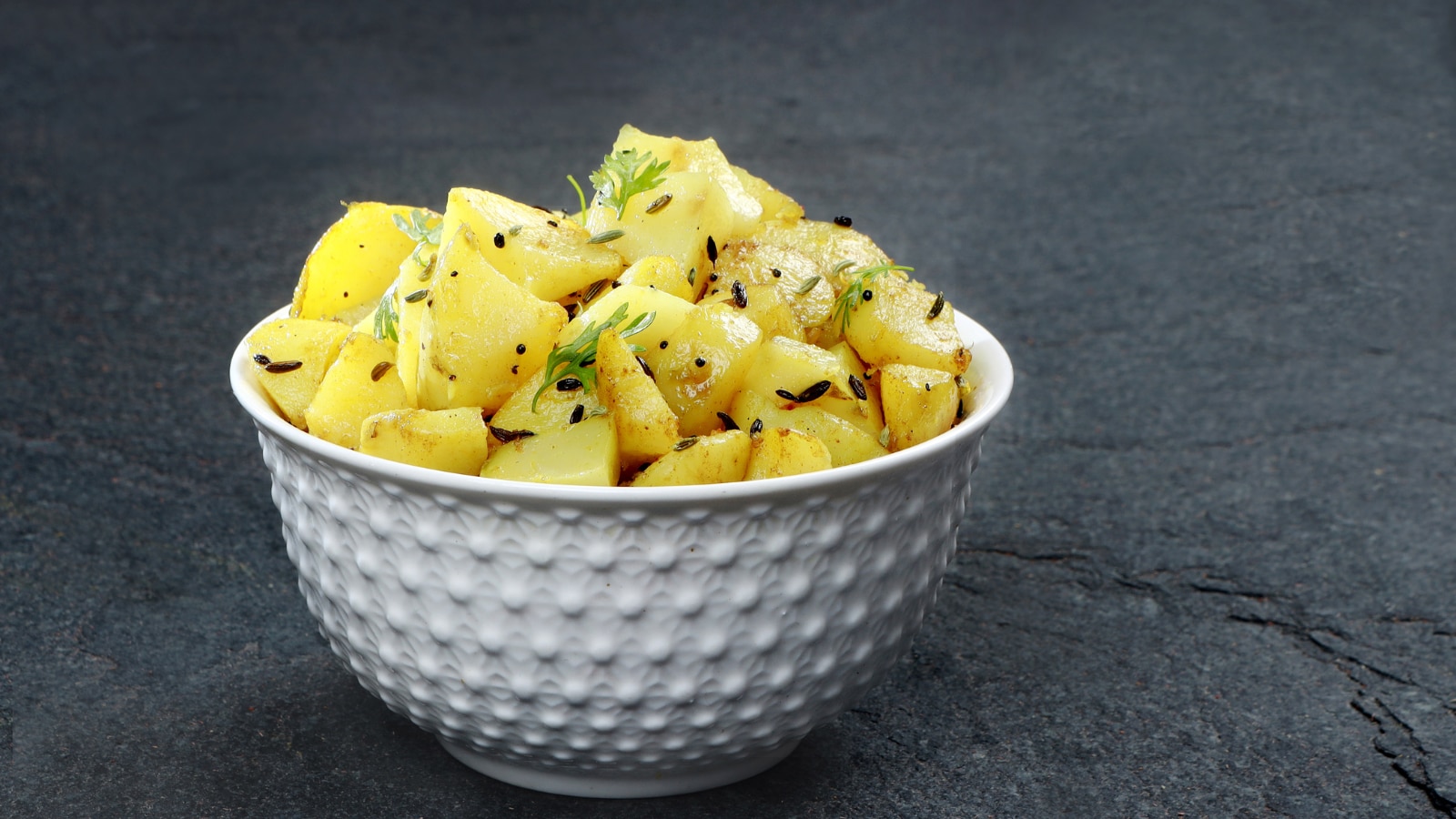
  aloo jeera

Simple, comforting and ready in minutes, aloo jeera is one of those recipes that never goes out of style during Sawan. Boiled potatoes tossed in ghee, cumin and sendha namak make for a fuss-free meal that's delicious on its own or served with vrat-friendly puris. 

Rajgira Paratha Recipe (Rajgira Roti) - Spice Up The Curry Rajgira parathas

 Who says vrat food can't be hearty? Rajgira parathas are soft, filling and packed with nutrition. Enjoy then hot with fresh curd, and vrat potato curry.

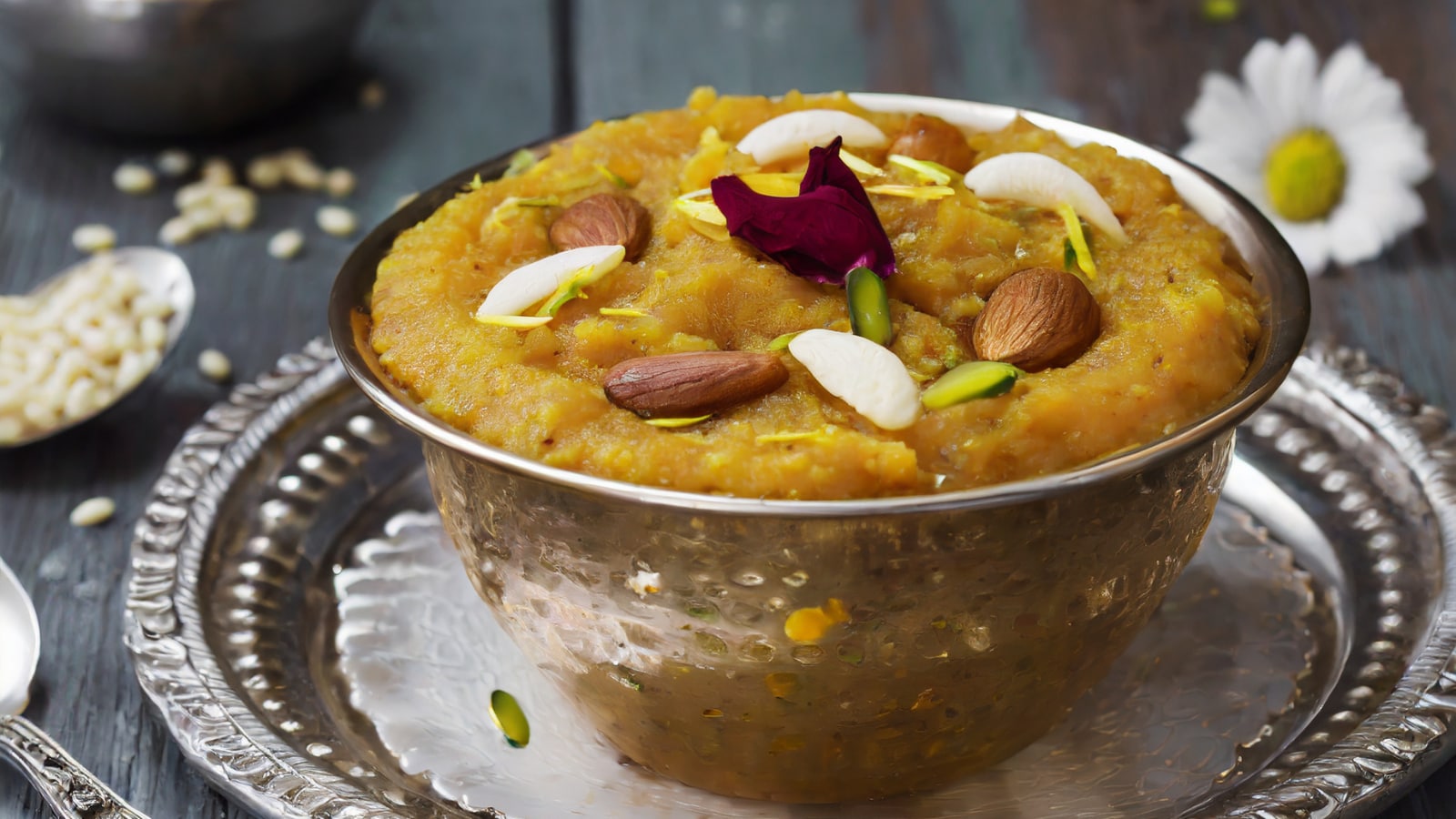
 Singhare ka halwa


 Looking for something sweet? Singhare ka halwa ticks every box. Made with water chestnut flour, ghee and dry fruits, this rich dessert is often prepared as prasad during Sawan and is perfect for satisfying those festive cravings .

 fruit chaat from www.vegrecipesofindia.com

When you want something refreshing between meals, a colourful fruit chaat is the answer. Toss together seasonal fruits with a dash of lemon juice with sendha namak, for a bowl that's naturally sweet and packed with goodness.

  sabudana tikkiSabudana Vada | Sabudana Tikki

 If crunchy snacks are your weakness, then sabudana tikki deserves a spot on your plate. The combination of tapioca pearls, potatoes and roasted peanuts creates crisp, golden patties that pair well with vrat chutney or yogurt.

  dahi aloo

Give you regular potato curry, a fasting-friendly twist with dahi aloo. Soft potatoes simmered in a creamy yogurt base create a comforting dish that's light, flavourful and perfect alongside kuttu puris or samak rice.

 makhana kheer

Rich, creamy, and flavorful  with cardamom and dry fruits, makhana kheer is one dessert that never disappoints during fasting.

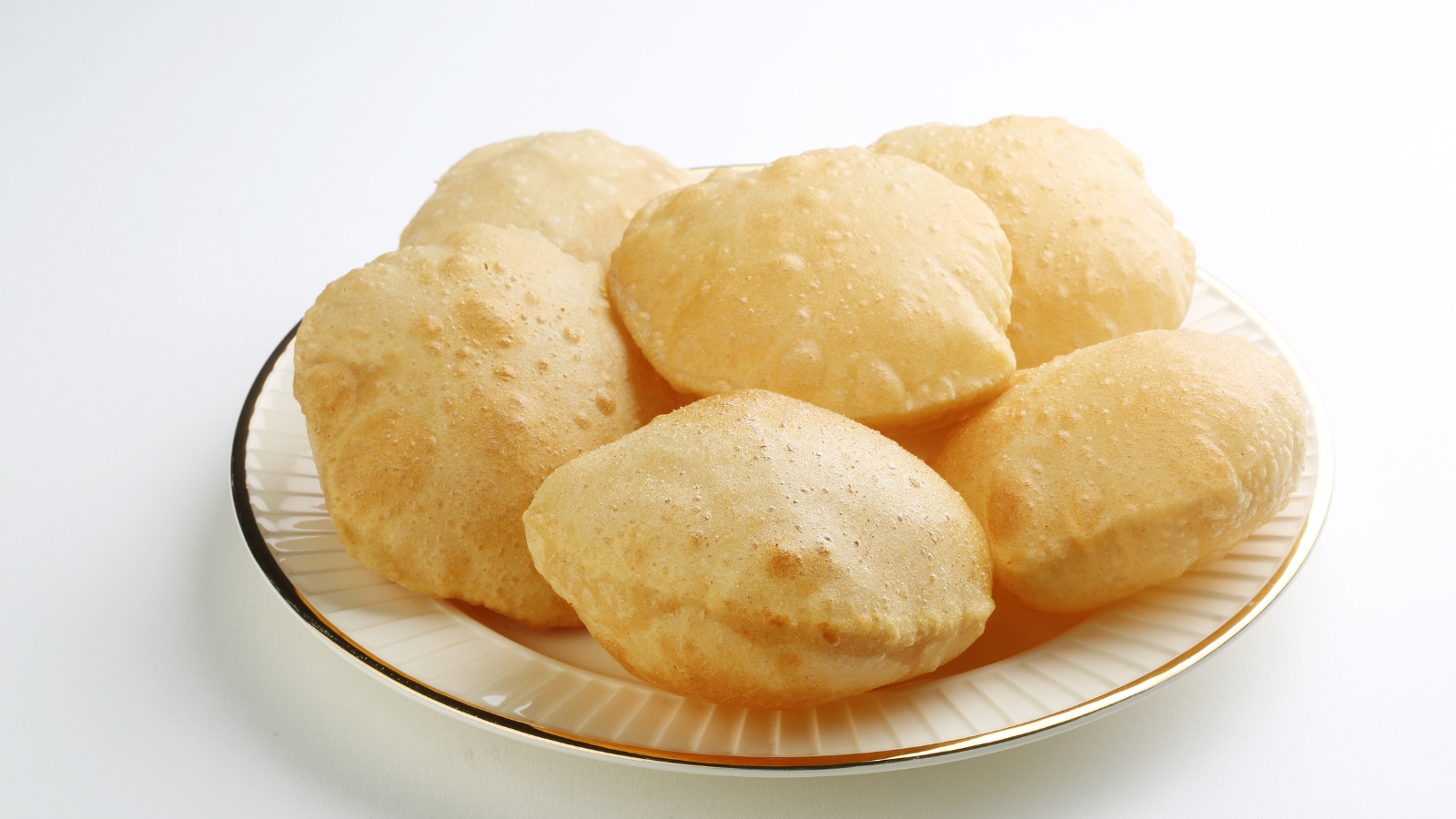
kuttu puris

 Golden, crispy and incredibly satisfying, kuttu puris instantly make any fasting meal feel festive. Traditionally paired with vrat aloo sabzi, fresh curd or mint chutney, they're a must-have if you're craving something indulgent while staying vrat-friendly. 

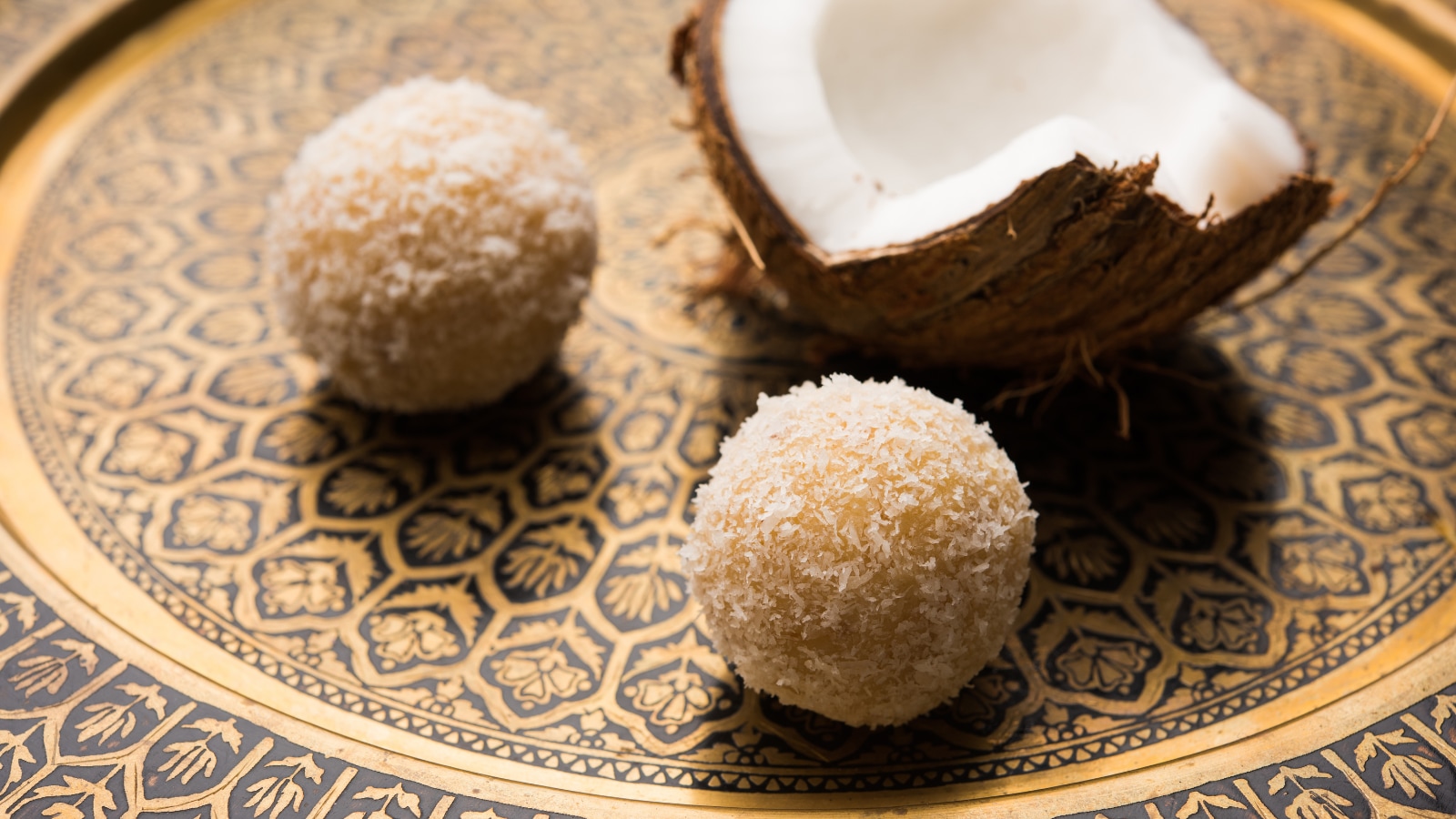
  coconut ladoos

 Made with fresh coconut, cardamom and condensed milk, these melt-in-your-mouth coconut ladoos are quick to prepare and perfect for festive snacking. 


https://gscrochetdesigns.blogspot.com. one can see my crochet creations  

https://kneereplacement-stickclub.blogspot.com. for info on knee replacement

https://cancersupportindia.blogspot.com  for info on cancer and health related topics

https://GSiyers home remedies.blogspot.com   is the latest addition to my blogs


Thursday, June 26, 2025

Street Food Items In Mumbai You Should Avoid During Monsoon

Dear Friends,

out of concern for all yours and your families' health, wanted to post this one here. As monsoon has arrived in India, some foods are irresistible , but this is the season not just for flu, jaundice and other waterborne diseases. So, take care, prevention is always better than cure.

Good health to all my friends out there. 

 1. Pani puri

 Street Food Items In Mumbai

 Made with tamarind water and stored in open containers, pani puri is highly susceptible to contamination. Rainwater splashes, unfiltered tap water, and dirty hands combine to create the perfect storm for stomach infections. It’s one of the biggest culprits of cholera and diarrhoea outbreaks in the monsoon. 

2. Bhel Puri & Sev Puri

These wet chaats involve chopped raw vegetables and multiple chutneys, often left unrefrigerated. With puffed rice turning soggy in the humidity and no gloves in sight, the chances of bacterial growth multiply, putting your digestive system at risk.

3. Fruit Chaat

 Fruit Chaat

 Fruits, once cut, begin oxidising and attracting bacteria faster in humid climates. Vendors usually leave them uncovered, attracting flies and dust. Combine that with reused knives and questionable hygiene, and you’re inviting serious stomach pain.

4. Fresh Fruit Juices

Monsoon and street-side juices cannot go hand in hand. Vendors may use unwashed or rain-soaked fruits. Some may even carelessly use unhygienic mixers or ice made from tap water. Congratulations, we’ve got your germ cocktail ready, they could literally say!

5. Dahi Bhalla

 Dahi Bhalla

 Mumbai’s warm temperature is not the best of friends with its cooler cousin, Dahi. Dahi spoils too easily in Mumbai’s heat and the moist monsoon air. When left unrefrigerated, it is a bacteria magnet. When put together with cold potatoes, raw coriander, and chutney, it is no less than a ticket to food poisoning.

6. Samosas & Bhajiyas

Though they are deep friends, these golden snacks aren’t as safe as they seem. We are no strangers to the fact that many vendors reuse the same oil throughout the day, and to our horror, sometimes multiple days! This degrades the quality of the dish and produces toxins. In rainy weather, these snacks also lose crispness quickly and become soggy within minutes.

7. Momos

 Street Momos

Stuffed generously with cabbage or meat, the ingredients used in momos need proper refrigeration to retain a fresh flavour. Most vendors lack this facility. The use of undercooked filling, dirty steamers and questionable spicy sauces makes the dish a risky option. Momo is a no-no in the damp conditions of the monsoon.

8. Seafood

Seafood is not the greatest fan of monsoons. Fish and prawns spoil too quickly in warm, wet conditions, especially when stored without proper refrigeration. Did you know seafood sold on the streets can also absorb contaminants during the rainy season? Roadside cooking setups rarely put maintaining hygiene on their to-do lists. Studies have also highlighted that under-cooked or poorly stored seafood increases the risk of Salmonella, E.coli, and other food-borne illnesses.


9. Raw Salads And Green Leafy Chaats

 Green Leafy Chaat

What do we get when we try to mix the monsoons of Mumbai with raw salads and leafy chaats? A bacterial hazard! Green leafy vegetables trap moisture inside their leaves. This accelerates their spoilage and microbial growth. Experts recommend saying an utter and complete no-no to uncooked street salads during this season to help you steer clear of gastrointestinal infections.

10. Ice Golas

Ice Golas are like ‘summer on a stick.’ But is walking on a stick always safe? Hmm! These colourful street treats are all shades of tempting, but often contain ice sourced from questionable supplies like industries or non-potable water. During the monsoon, the risk doubles down due to poor ice storage, water contamination, and unhygienic handling. The flavoured syrups with their hunky-dory aura might be our worst enemy for the season. These sugary syrups attract flies. Consuming ice golas can also lead to infections, viral fevers, or serious gastrointestinal issues.

While Mumbai’s street food scene is irresistible, monsoon demands extra caution. Choosing safety over cravings now will ensure you enjoy the season without any sick days.

https://gscrochetdesigns.blogspot.com. one can see my crochet creations  

https://kneereplacement-stickclub.blogspot.com. for info on knee replacement

https://cancersupportindia.blogspot.com  for info on cancer and health related topics

https://GSiyers home remedies.blogspot.com   is the latest addition to my blogs