Showing posts with label fish. Show all posts

Saturday, October 24, 2026

10 Foods That You Really Should Avoid Washing

Many of us grew up watching our mothers rinse everything that came into the kitchen. Apples went under the tap, chicken breasts got a good splash before hitting the pan, and some particularly careful cooks even scrubbed their vegetables with a drop of dish soap, just to be sure. It all came from a good place: the wish to keep dirt, germs, and sprays off the family's plates.

It turns out, though, that some of these well-meaning habits don't help at all, and a few can actually make food less safe. At the same time, there are items most of us never think to rinse that really should get a wash before we use them. Here's a simple guide to what belongs under the tap and what's better left alone. 6 Foods and Items You Should Wash One rule applies to everything on this list: use plain running water only. No soap, no dish detergent, and no special produce washes. 

1. Fresh Fruits and Vegetables 

Fresh produce passes through many hands on its way to your kitchen, from the farm to the truck to the supermarket shelf, and it can pick up soil, germs, and pesticide residue along the way. A good rinse under running water removes much of it. 

 If you've been using soap, it's time to stop. Fruits and vegetables have porous skins that can absorb soap and detergent, and these products were never meant to be eaten. Plain water does the job. For firm produce such as potatoes, carrots, cucumbers, and melons, scrub gently with a clean vegetable brush. For lettuce and cabbage, remove the outer leaves first. Afterwards, dry everything with a clean towel or a paper towel, which helps remove even more germs. 

What about fruit with a peel you don't eat, like bananas, oranges, avocados, and melons? Wash those too. When you cut into them, the knife can drag germs from the outer skin straight into the part you eat. Cantaloupe rinds, in particular, have been linked to serious outbreaks of food poisoning. 

One important tip: wash produce just before you eat or cook it, not when you get home from the store. Moisture makes berries, grapes, and leafy greens spoil much faster in the fridge. 

2. The Tops of Cans 

How many of us have ever washed a soda can or a can of tomatoes before opening it? Very few, yet it's a smart habit. Cans sit in warehouses, on store shelves, and in shopping carts, collecting dust and germs, and there's no way of knowing how many hands have touched them. When you open a can and pour from it, the contents flow right over that dirty rim. 

Rinse the top of the can under running water before opening it, or at least wipe it with a damp paper towel. If you're drinking straight from a can, this is even more important. And don't forget the can opener: its blade touches every lid, so it should go into the wash regularly. 

3. Canned Beans 

Canned beans are a wonderful shortcut. They're already cooked, full of fiber and protein, and ready in seconds. The catch is the liquid they're packed in, which is often very high in sodium, something many of us are trying to cut back on for the sake of our heart and blood pressure. 

The fix is simple. Pour the beans into a colander, let the liquid drain away, then rinse them under cold running water and let them drain again. Draining alone removes about a third of the sodium, and draining plus rinsing removes around 40%. Rinsing may also wash away some of the carbohydrates that cause gas, which is a welcome bonus for many people. If you plan to fry or roast the beans, pat them dry with a paper towel so they crisp up nicely. 

4. Rice (Most of the Time) 

Rinsing rice washes away the loose starch on the surface of the grains, which is what makes rice sticky and clumpy. Put the rice in a bowl or a fine strainer, cover it with cold water, swirl it around, and pour the water off. Repeat two or three times, until the water runs mostly clear. The result is fluffy rice with separate grains. 

There are two exceptions. If you're making risotto or paella, skip the rinse, since that starch is exactly what gives these dishes their creamy texture. And if your package says the rice is "enriched," as most white rice in the US is, keep in mind that rinsing washes off some of the added iron, folic acid, and B vitamins. Brown rice and imported rice such as basmati or jasmine can be rinsed freely. 

Many people also wonder about arsenic, a natural contaminant that rice absorbs from soil and water. Rinsing removes only a little. A more effective method is to cook rice the way you cook pasta, in plenty of water (about six parts water to one part rice), and pour off the extra water at the end. This can remove roughly half of the arsenic, though it also removes some of the added vitamins. 

Rinsing doesn't kill bacteria, by the way. Cooking does that. The real risk with rice comes afterwards: leftovers should go into the fridge within an hour or two, because bacteria can multiply quickly in cooked rice left sitting at room temperature. 

5. Dried Beans, Lentils, and Quinoa  

Dried beans and lentils often contain small stones, bits of soil, or shriveled pieces that slipped through processing. Before cooking, spread them out on a plate or a clean countertop and pick out anything that doesn't belong, then rinse them well in a strainer. 

Quinoa needs a rinse for a different reason. Its seeds are covered with a natural coating called saponin, which tastes bitter and soapy. Many brands sell quinoa prerinsed, but a quick rinse in a fine strainer is still a good idea if you've ever found your quinoa a little bitter.

6. Fresh Herbs 

Whether you bought them at the supermarket, picked them up at a farmers market, or snipped them from a pot on your windowsill, fresh herbs can hide dirt, sand, and even tiny insects between their leaves. 

 For small bunches, rinse them under cold running water, give them a gentle shake, and pat them dry with a paper towel. For larger or very sandy bunches, such as parsley, cilantro, or dill, swish them around in a bowl of cold water so the dirt sinks to the bottom, then lift them out. Repeat with fresh water if needed. 

As with other produce, it's best to wash herbs just before you use them. If you prefer to wash them ahead of time, dry them very thoroughly, ideally in a salad spinner, before putting them in the fridge. Otherwise the leftover moisture will turn them slimy within days. 

5 Foods You Shouldn't Wash 

These are the foods many of us rinse out of habit, without realizing it does no good, or even some harm. 

1. Bagged Salad Greens Marked "Washed" 

Bagged salads and precut greens are a real time saver, and yet many people rinse them again at home, just to be safe. If the bag says "washed," "triple washed," or "ready to eat," you can skip this step. These greens were cleaned under controlled conditions before they were packed, and US food safety authorities advise against washing them again. 

Rinsing them at home actually raises the risk, because the greens can pick up germs from your sink, colander, or countertop. If the bag doesn't carry one of these labels, though, wash the greens as you would any other produce. 

2. Mushrooms (at Least Not Before Storing) 

Washing mushrooms as soon as you bring them home is a habit worth dropping. The added moisture makes them turn slimy and spoil much faster, especially if you store them in a sealed container. Keep them unwashed in a paper bag in the fridge instead. 

You may have heard that mushrooms soak up water like a sponge and should never touch the tap. That's largely a myth: tests have shown they absorb only a small amount during a quick rinse. So if your mushrooms look dirty, simply brush them off with a soft brush or wipe them with a damp paper towel, or give them a quick rinse right before cooking. Just don't soak them, and pat them dry before they go into the pan so they brown nicely instead of steaming. 

3. Frozen Vegetables (But Always Cook Them) 

There's no need to rinse frozen vegetables. They were already washed and trimmed before freezing, and rinsing them at home does nothing to make them safer. 

There is, however, something important to know. Most frozen vegetables are only briefly heated before freezing to preserve their color and texture, and that isn't enough to reliably kill harmful bacteria. Frozen vegetables and frozen corn have been behind outbreaks of Listeria, a bacterium that is especially dangerous for people over 65. That's why food safety experts recommend always cooking frozen vegetables according to the package instructions, and not adding them straight from the freezer to salads, dips, or smoothies, unless the package specifically says they're ready to eat.

4. Raw Meat, Chicken, and Fish 

This is probably the most common washing habit of all, and the one food safety experts most want us to break. Rinsing raw meat, poultry, or fish doesn't remove harmful bacteria such as Salmonella or Campylobacter. Instead, the splashing water sprays them onto your sink, counters, dish towels, and any other food nearby. In one US government study, about a quarter of the people who washed raw chicken ended up with those bacteria in a salad they prepared afterwards. 

The only thing that reliably kills these germs is proper cooking. Use a meat thermometer and cook to these safe internal temperatures: 

Chicken and turkey: 165°F (74°C) 

 Ground beef, pork, and lamb: 160°F (71°C) 

Steaks, roasts, and pork chops: 145°F (63°C), then let the meat rest for 3 minutes 

Fish: 145°F (63°C), or until the flesh is opaque and flakes easily with a fork 

If there's liquid or a bit of bone on the meat, simply pat it with a paper towel and throw the towel away. Then wash your hands with soap for 20 seconds, and clean any surface the raw meat touched. Using a separate cutting board for raw meat and for fresh produce is another easy way to keep germs from spreading. 

5. Eggs

It might seem sensible to rinse eggs before cracking them, but it's best not to. Eggs sold in US supermarkets have already been washed and sanitized at the processing plant. Washing them again at home, especially in cold water, can actually draw bacteria from the outside of the shell in through its tiny pores. Keep eggs in their carton in the fridge, and if one has a bit of dirt on it, wipe it with a dry paper towel. If an egg is cracked, it's safest to throw it out. 

What About Pesticides? 

This is one of the most common questions about washing produce. Rinsing and rubbing under running water removes some pesticide residue from the surface, though not all of it. Some research has found that soaking produce such as apples in a solution of about one teaspoon of baking soda to two cups of water for 12 to 15 minutes, then rinsing, removes more surface residue than water alone. It's an easy, inexpensive option if this worries you. Vinegar soaks and store-bought produce washes, on the other hand, aren't necessary.

https://gscrochetdesigns.blogspot.com. one can see my crochet creations  

https://kneereplacement-stickclub.blogspot.com. for info on knee replacement

https://cancersupportindia.blogspot.com  for info on cancer and health related topics

https://GSiyers home remedies.blogspot.com   is the latest addition to my blogs


Friday, August 14, 2026

Want to eat healthy without giving up taste? Nutrition coach shares simple ways to make Indian food better


Healthy eating doesn’t have to mean boring food. Culinary nutrition coach Eshanka Wahi shares how to make everyday Indian meals more nutritious and delicious.

 Indian food can be healthy with mindful eating habits. (Freepik) Indian food can be healthy with mindful eating habits

When people hear the words “healthy food,” many immediately picture a bowl of salad or a meal that looks uninteresting. That idea has made healthy eating  feel like a compromise for many people. But nutritious food doesn’t have to mean giving up taste. From dal and chilla to homemade snacks, spices, chutneys and traditional recipes, Indian cooking already offers plenty of nutritious ingredients. The key is knowing how to combine them, how much to eat and how to make them enjoyable.

In an interview with HT Lifestyle, Eshanka Wahi, Dubai & Delhi-based Culinary Nutrition and Holistic Wellness Coach and Founder of Eat Clean With Eshanka, explains how people can make everyday Indian food more nutritious without compromising on flavour. 

“Healthy food doesn’t have to mean giving up the flavours you enjoy. The idea should be to make the food you already eat more balanced and nutritious, rather than completely changing your meals,” Eshanka says.

Healthy doesn’t mean boring

“One of the biggest mistakes people make while trying to eat healthy is removing everything they enjoy from their plate. Instead of completely changing familiar meals, small changes in ingredients, preparation and combinations can make them more nutritious without taking away their taste,” she says.

“For example, a regular chilla can be made with vegetables and paired with curd or another protein-rich accompaniment. Homemade snacks can also be used instead of reaching for packaged options every time hunger strikes. The goal isn’t to make every meal perfect. It is to make everyday food nourishing enough to support health while still being something people actually enjoy eating,” Eshanka adds.

Indian food is healthier than we think

“Indian food itself isn’t necessarily the problem. The quantity, frequency and combination in which we eat it also matter. Indian food is healthy; we just need to change the way we eat it,” Eshanka explains.

“Take besan as an example. Besan can be a nutritious ingredient, but having besan pakoda, followed by besan chilla and then another besan-based snack on the same day can mean relying too heavily on one ingredient. Even a nutritious food needs to be part of a varied diet,” she says.

“The same principle applies to other foods. Instead of asking whether a particular Indian food is ‘healthy’ or ‘unhealthy,’ it is more useful to look at the overall meal and how different foods are balanced throughout the day,” Eshanka adds.

Tasty alternatives can still add nutrition

“Healthy alternatives don’t have to be limited to salads or plain food. There are plenty of homemade options that can satisfy cravings while also adding useful nutrients to the diet. For example, moong-based snacks such as moonglate can be included as a protein-rich option,” Eshanka says.

“For someone craving something sweet, homemade date-based chocolates made with ingredients such as dates, nuts and seeds can be an alternative to some packaged sweets. These options can also be useful for families with children,” she adds.

“Homemade versions allow parents to experiment with ingredients while keeping familiar flavours and textures. Another practical approach is preparing certain homemade snacks in batches. Depending on the recipe and storage method, some preparations can be made ahead of time and stored for several days or longer. This makes it easier to have a homemade option ready instead of relying on packaged snacks when there isn’t enough time to cook,” Eshanka explains.

Tuesday, August 11, 2026

What Is ‘Biblical Eating’?

There always seems to be a new eating trend making the rounds, and the latest to gain a following on social media is something called "Biblical eating." Also known as the "Bible diet," it encourages people to build their meals around foods mentioned in scripture, favoring simple, whole ingredients over the processed foods that fill so many modern shelves. Its supporters say it can strengthen both body and spirit. But does it live up to the claims? Here is a calm, balanced look at what the trend actually involves, what it gets right, and where a little caution is wise.

What Does "Biblical Eating" Involve?


The idea is straightforward: choose foods that appear in the Bible, and steer clear of heavily processed ones. There is no single agreed-upon version of the diet. Some followers stick closely to foods named in scripture, while others take a looser approach, simply favoring whole, minimally processed foods they feel are in keeping with biblical principles. As a result, what counts as a "biblical" food can vary quite a bit from one person to the next. 

The foods most commonly emphasized include:
Olive oil 

Fish 

Lamb, beef, and goat 

Fruits such as figs and pomegranates 

Bread, often sourdough 

Honey Butter and dairy 

Vegetables, grains, and legumes 

In many ways, this resembles the well-known Mediterranean diet, which also centers on whole foods like olive oil, fish, fruits, and vegetables while limiting processed ones. The key difference is the foundation. The Mediterranean pattern grew out of decades of nutrition research, while Biblical eating is rooted in scripture rather than science. 

What the Trend Gets Right

Here is the reassuring part: many of the foods this trend promotes are genuinely good for you, and nutrition experts largely agree on that point. A diet built around olive oil, fish, fruits, vegetables, whole grains, and legumes, with fewer ultra-processed foods, is a sound and healthy way to eat at any age. These are the same wholesome foods that the thoroughly studied Mediterranean diet is famous for.

There may be a second, gentler benefit as well. For people of faith, connecting the simple act of eating to their beliefs can add a sense of meaning and mindfulness to meals. Experts note that when a way of eating encourages you to slow down, eat with intention, and build lasting habits, that thoughtfulness itself can be helpful, quite apart from the particular foods on the plate. 

Where the Claims Outrun the Evidence 

That said, it is worth keeping a clear head about the bolder promises. Biblical eating is not a formally defined or scientifically studied diet, and there is no good evidence that it delivers the specific health benefits some of its online champions claim. Whatever good it does comes from the general pattern of eating more whole foods and fewer processed ones, the very same advice nutritionists have offered for years, and not from anything uniquely biblical about the foods themselves. In other words, you do not need scripture, or any trend at all, to enjoy the benefits of eating this way. The wholesome foods are wholesome no matter what you call them. 

An Important Word of Caution About Raw Milk 

One food deserves special attention, because some versions of this trend actively encourage it: raw, unpasteurized milk. Here the advice from health authorities could not be clearer, and it runs directly against the trend. Raw milk is strongly discouraged.

Unpasteurized milk, along with cheese, yogurt, and ice cream made from it, can carry dangerous bacteria such as Salmonella, E. coli, and Listeria, which cause serious food poisoning. Pasteurization, the gentle heating process used for over a century, exists precisely to kill these germs, and it does so without meaningfully changing the milk's nutrition. Crucially for our readers, older adults are among those at the very highest risk of severe illness from these bacteria, along with young children, pregnant women, and anyone with a weakened immune system. Over a recent twenty-year span, raw milk was linked to thousands of illnesses and hundreds of hospitalizations in the United States. 

The simple, safe choice is to stick with pasteurized milk and dairy. You lose nothing nutritionally, and you avoid a genuine and serious risk.

When Any Food Trend Becomes a Problem 

Beyond the raw milk issue, there are a couple of broader cautions worth bearing in mind, and they apply to almost any diet trend that spreads online. 

The first is the source of the advice. Many of the influencers promoting eating trends have no formal training in nutrition, yet they offer confident health guidance to enormous audiences. It is always worth asking who is actually behind a claim, and leaning on qualified professionals, your doctor or a registered dietitian, rather than a persuasive voice on a screen.


The second is rigidity. Any way of eating can tip into something unhealthy when it becomes too strict, needlessly cuts out nourishing foods, or sorts food into "clean" and "unclean," "good" and "bad." That kind of thinking can breed guilt and an unhealthy relationship with food, and it is particularly unhelpful for anyone prone to rigid eating patterns. A healthy diet should never make you feel ashamed of what is on your plate. 

The experts are consistent on what genuinely works: the best way of eating is one that is flexible and sustainable, that provides all the nutrients your body needs, that fits your own culture and lifestyle, and that lets you enjoy food without guilt. Rigid rules tend to fade; balanced habits last.


https://gscrochetdesigns.blogspot.com. one can see my crochet creations  

https://kneereplacement-stickclub.blogspot.com. for info on knee replacement

https://cancersupportindia.blogspot.com  for info on cancer and health related topics

https://GSiyers home remedies.blogspot.com   is the latest addition to my blogs


Tuesday, July 15, 2025

The 7 Best and 7 Worst Foods to Buy Canned

Not all canned foods are made equal - some are delicious, healthy and will save you plenty of time and money, whereas others lack taste, texture, and will only harm your health. In our opinion, those are not worth the price, no matter how cheap they may be. In this article, we’ll explain what things to look out for when choosing canned foods, and we will also go through several common canned food varieties, examining their nutrition and culinary quality. Here is our list of the 7 healthiest and tastiest canned foods you can buy, as well as 7 of those you should definitely avoid.

                                                         The Best Canned Foods 
 
1. Legumes
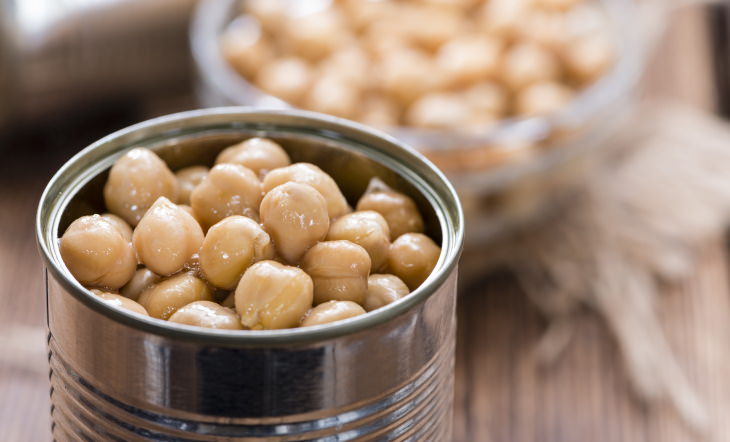
Best and Worst Foods to Buy Canned canned chickpeas
Legumes, namely beans, chickpeas, peas, and lentils are some of the best foods to buy canned. Canned legumes don't have a lower nutritional value than cooked ones, and using them from the can will actually save you a lot of time in the kitchen. These protein-packed foods are also incredibly versatile - you can easily add them to soups, chilies, stews, or you can even mash some chickpeas up to make homemade hummus. 
 
The only important point to look out in all savory canned goods is their sodium content, as it can be ridiculously high. Aim for less than 300 mg of sodium per serving. But all in all, canned legumes are a handy pantry staple. 
 
2. Fish
Canned fish is also an excellent choice, and you have a large variety to choose from - tuna, salmon, sardines, anchovies, or sprats are just some of the most obvious options. All of these fish varieties are high in protein and B vitamins, so they are guaranteed to become a positive addition to your salad or sandwich. After all, nothing beats a good tuna sandwich, and canned tuna is the easiest way to prepare one. 
 
Note: As with legumes, watch out for the sodium content of canned fish. 
 
3. Pureed or Crushed Tomatoes
Pureed or crushed tomatoes are a no-brainer, and you'll be able to make a vast number of quick meals using them - a soup, a pasta sauce, a stew, a breakfast shakshouka, you name it. No dicing, peeling and pureeing needed, neither. You can also purchase tomato sauce or puree in jars or bottles, there is little difference in the product itself, but make sure to watch the sodium and sugar content in these products.

 
4. Corn
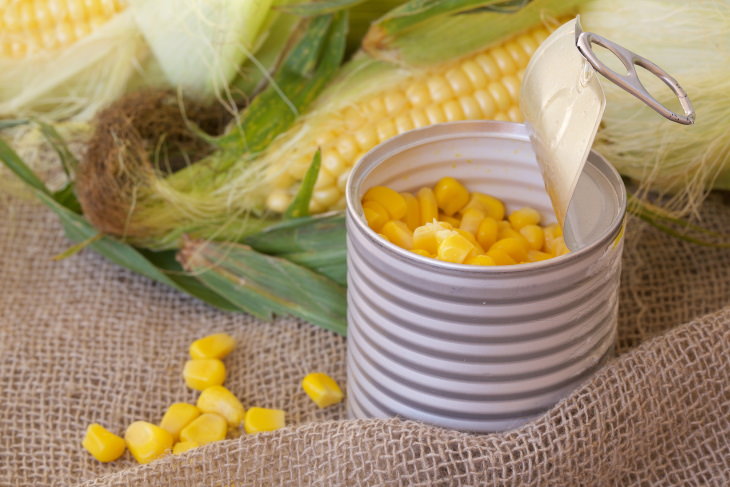
Best and Worst Foods to Buy Canned corn 
Canned corn is another one of those canned foods that will diversify your meals, be it a salad, a soup, or a one-pot of sorts. The preservation process is also not altering the texture and taste of corn, and it's not reducing the excellent nutrient profile of this vegetable.
 
5. Pureed Pumpkin 
Prepping pumpkin is always my least favorite part of cooking, and it doesn't matter if I'm baking a pumpkin pie or making pumpkin soup. Luckily, pureed pumpkin is available pretty much at any store, and it can cut down the cooking time by at least an hour. Do make sure there are no added flavors or sweeteners before purchasing a can of pumpkin puree, though, since pure pumpkin puree is the most antioxidant-rich and healthy option. 
 
6. Condiments
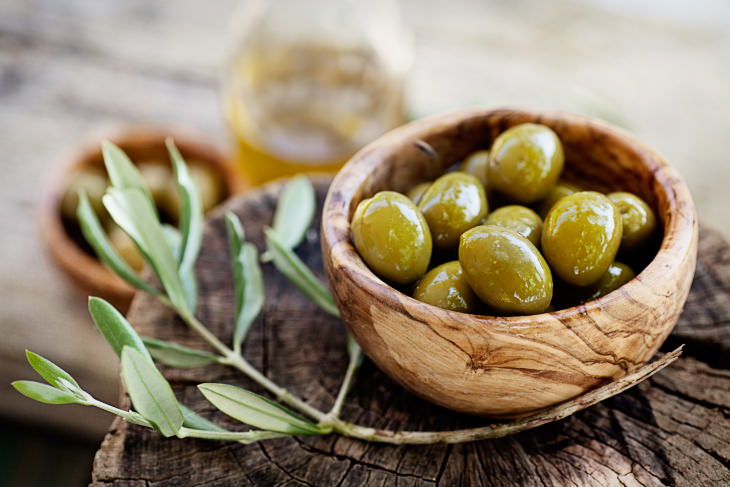
Best and Worst Foods to Buy Canned olives
If you're looking for an instant taste infusion to your meal, don't shy away from canned condiments, such as pickles, artichokes, olives, capers, or water chestnuts. These will work great as a topping to salads, a snack to serve on the side, an addition to sandwiches or a topping for the main dish. Capers, for example, make a deliciously savory topping for fish. Don't be afraid to experiment with these condiments, but make sure not to eat too much of them either, as most of these will be quite high in salt. 
 
7. Coconut Cream
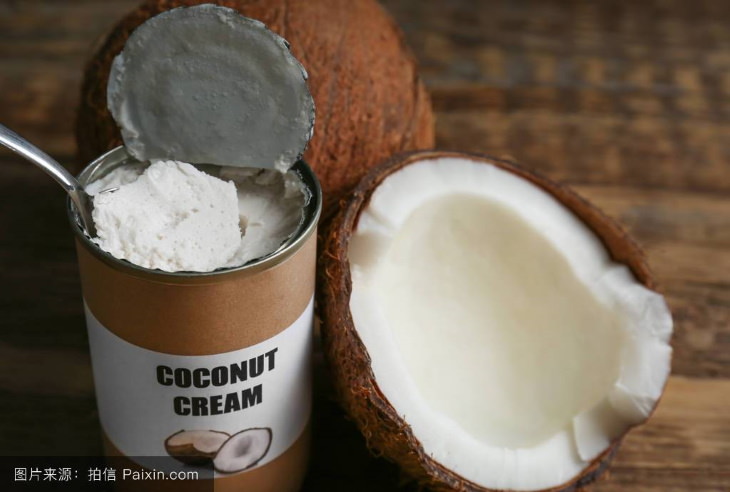
Best and Worst Foods to Buy Canned coconut cream
Trust us, a can or two of coconut cream goes a long way in the kitchen. In addition to being an excellent dairy alternative with an insanely long shelf life and a reasonable price tag, it's indispensable for making the creamiest, most delicious curries and sauces to go with rice. You can even whip it up and make delicious coconut whip cream that works extremely well with practically any dessert and even in coffee. 
 
If you're watching your fat intake, you might also find it useful to know that full-fat coconut cream is comparable to light cream in terms of its fat content, and light coconut cream is the same as skim milk.
 
  
                                   The Worst Canned Foods 
8. Soup
Canned soups may save you some time, but it will be at the expense of your own health in the vast majority of cases. These highly-processed soups are typically full of preservatives, sweeteners, and many contain one's entire daily allowance of sodium and more saturated fats than you should have a day, all just in one can of soup! 
 
Honestly, it's much healthier, not to mention tastier, to add veggies, canned legumes, and fresh herbs into some chicken or vegetable stock and prepare your own soup it just 15-20 minutes.


9. Fruits
We all know that canned fruit are not the tastiest treat one can have, but did you know that these are more often than not loaded with added sugar as well? The package may state that the pineapple or peach slices are preserved in their own juices, but the truth is that most of these contain a lot of sugar. 
 
What's a good alternative? Both frozen, dried and fresh fruit are an excellent choice to consider, but if you're looking for something to store long term, frozen or dried (with no sugar added) fruit are obviously a better choice for you. 
 
10. Some Vegetables
When it comes to certain canned vegetables, things can get a bit tricky. After the canning process, their taste and texture may become altered, which can make the meal a bit less flavorful and nutritious than one would expect. This is especially true when it comes to asparagus, green beans, and baby carrots. 
 
Although everything boils down to personal preference, we say it's always nice to know that you have an alternative, namely frozen veggies, that have a similarly long shelf life, but a better taste and no added salt. 
 
11. Ready-made Meals
Canned meals, such as canned chili, sloppy Joe, corned beef and the like, are another dangerous choice. First of all, let's face it, none of these choices use the freshest and highest quality meat, but that's not even the biggest problem. These foods are also sky-high in salt and preservatives, which is exactly why they can have such a long shelf life. 
 
In addition to that, many of these ready-made meals will also be packed with saturated fats, which are known to contribute to cardiovascular issues. Generally speaking, it's just best to leave the canned foods that contain more than 3 g of saturated fat per serving on the shelf. 
 
12. Processed Meats
Processed meats are bad enough for you on their own, with things like liquid smoke, high animal fat content, and countless additives all making them not the best choice health-wise. Processed meat, such as sausages, ham, and bacon, has even been linked with several types of cancer, as well as cardiovascular issues. 
 
When these highly-processed animal-derived ingredients are further mixed with salty brine and preservatives, you can imagine that it doesn't make them any healthier. Virtually all of these foods contain saturated fats and salt in excess. 
 
13. Pasta
Apart from being significantly inferior to any pasta you can cook up yourself with just some dried pasta, herbs and a can of crushed tomatoes in terms of its taste, canned pasta is also horrible for your health. Salt and sugar are in large quantities in these foods. 
 
While you can control how much salt or sugar you add to a homemade pasta sauce, you can't do that with these ready-made options, and producers of these canned pastas add way too much of it in order to compensate for the lack of taste and texture in these products. 
 
14. Baked Beans
Best and Worst Foods to Buy Canned Baked Beans
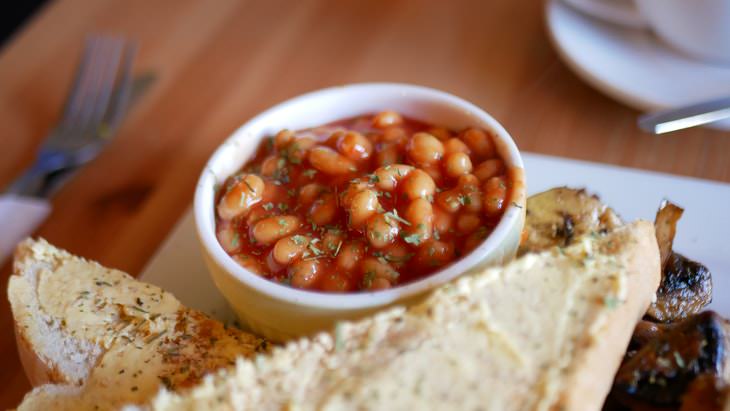
While canned beans in a low-sodium brine are an excellent high-protein choice, baked beans are less so. This is because tons of saturated fats, sugar, salt, and other additives, like the hormone disruptor BPA, are a common find in baked beans. 
 
Generally speaking, baked beans encompass all that is bad about canned foods in one package, transforming a healthy choice into a long-term health hazard. Instead of buying baked beans, make your own from canned beans, tomato sauce and the spices of your choice.


https://gscrochetdesigns.blogspot.com. one can see my crochet creations  

https://kneereplacement-stickclub.blogspot.com. for info on knee replacement

https://cancersupportindia.blogspot.com  for info on cancer and health related topics

https://GSiyers home remedies.blogspot.com   is the latest addition to my blogs


Thursday, June 12, 2025

5 things everyone should know about protein before changing their diet, and how much is actually required

Protein: The most talked-about nutrient, but is it understood?


Protein is everywhere, in ads, on food packets, and across every fitness or health conversation. Many believe that eating more protein will automatically lead to stronger muscles or better health. But before adding protein powders to every meal or switching to high-protein diets for the family, it’s essential to pause and understand what protein actually does, who truly needs it the most, and how much is enough.
 

The truth is, protein isn't just for athletes or bodybuilders. It plays a silent but powerful role in growing children, busy parents, and even grandparents. It builds, heals, and supports the body in many quiet ways. Here are 5 critical and mostly misunderstood facts about protein that every household should know before making any dietary shift.

Protein isn’t just about muscles

Protein is a part of every single cell in the body. It repairs skin, supports immunity, balances hormones, and even builds enzymes and neurotransmitters (the ones that help the brain work properly).

For children, protein supports physical growth and brain development. For pregnant women, it helps build tissues for the baby. Even for elderly people, it preserves strength and helps fight fatigue. It is, quite literally, the construction worker of the human body—always building, fixing, or maintaining something.

 More protein doesn’t always mean better health

More protein doesn’t always mean better health

Like all nutrients, protein also has a limit. Extra protein doesn’t get stored in a magical “muscle bank.” Instead, the body either excretes the excess or, if over-consumed for long, it can put strain on the kidneys and even affect bone health.

According to the Indian Council of Medical Research (ICMR), the average adult needs around 0.8 to 1 gram of protein per kilogram of body weight daily. For a 60 kg adult, that's about 48 to 60 grams of protein a day. Children and pregnant or breastfeeding women may need more, but even then, moderation is key. What matters more than quantity is quality and consistency.


Plant-based proteins are powerful, but need a mix

 Plant-based proteins are powerful, but need a mix

While animal proteins contain all nine essential amino acids, many plant-based sources can also offer complete nutrition, if combined wisely. For example, dal and rice together form a complete protein. So do rajma and roti. It’s not about one super-food, but the right pairings across the day.

Families that follow vegetarian or vegan diets don’t need to worry about deficiency if meals are diverse. Mixing grains, pulses, nuts, and seeds in everyday food can offer just as much strength and nourishment.


Kids and teens need protein the most, but it’s often missed

Ironically, the age group that needs protein the most—growing children and teenagers—often don’t get enough of it. School tiffins are often filled with carbs (like noodles, biscuits, or chips) and very little protein.

Skipping this vital nutrient during growth years can affect height, concentration, energy levels, and even mood. Including simple items like boiled eggs, milk, sprouts, paneer, or roasted chana can bridge this gap without making meals complicated.


Protein powders are not magic dust

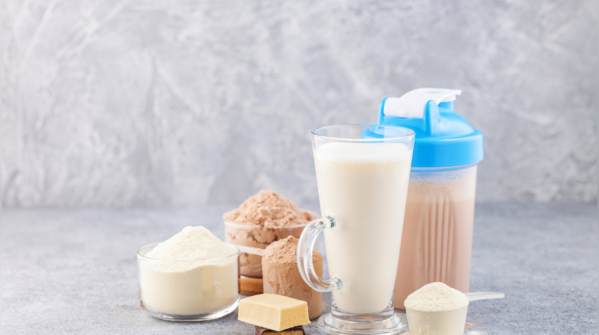
Not all protein powders are bad, but they’re not a one-size-fits-all solution. Many contain hidden sugars, additives, or synthetic nutrients. And without a genuine need (like a diagnosed deficiency or a doctor’s advice), powders may do more harm than good.

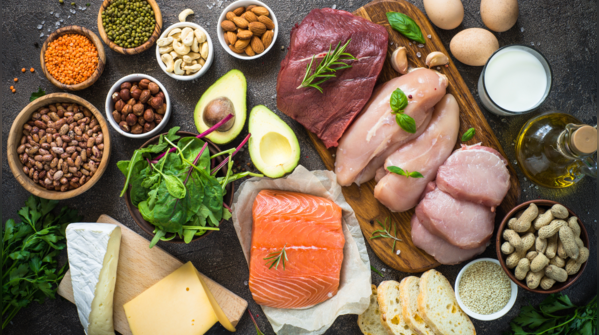
Natural foods like lentils, curd, tofu, almonds, seeds, fish, or even leftover dals from dinner carry not just protein, but also vitamins, minerals, and fiber. They nourish beyond just numbers. A well-cooked homemade khichdi, for example, can sometimes be more powerful than an expensive supplement.


https://gscrochetdesigns.blogspot.com. one can see my crochet creations  

https://kneereplacement-stickclub.blogspot.com. for info on knee replacement

https://cancersupportindia.blogspot.com  for info on cancer and health related topics

https://GSiyers home remedies.blogspot.com   is the latest addition to my blogs 


Tuesday, June 10, 2025

14 Foods You Can Indulge Without Gaining Weight

Contrary to popular belief, you don’t have to survive on a diet of celery, salad, and boiled chicken breast, feeling “hangry” all the time if you intend to lose weight. As a matter of fact, being full and enjoying nutritious, filling meals will really help you combat all those junk food cravings and stay healthy without putting on any weight. In this article, we’ll list 14 nutritious foods you can eat as much as you want without feeling guilty or afraid that you’ll gain weight, and some of these will surely surprise you.

1. Chickpeas and other Legumes

 Foods You Can Indulge Without Gaining Weight Chickpeas

What makes food promote weight loss? 
 
Some might say that a low-calorie count determines that, but that's not the best way of looking at it, as even a very small piece of candy or chocolate can be quite low in calories, but eating that will not make it beneficial for weight loss at all. The key is in the energy density, or how many calories there are in a product compared to its weight. By choosing foods that have a lower energy density, you'll be able to eat plenty of nutritious food and lose weight. 
 
One group of such foods are legumes, and especially chickpeas, which will not only fill you up and keep you full thanks to their high fiber and protein content but they also have a low-calorie count per gram. The hearty and filling legumes are a must-have weight loss and maintenance companion, especially if you don't cook them with too much oil. 
 
2. Boiled potatoes

Foods You Can Indulge Without Gaining Weight Boiled potatoes

Speaking of filling foods that are good for weight loss, boiled potatoes have also somehow made the list. You might find this surprising since potatoes are so carb-heavy, but it turns out that eating potatoes boiled can actually promote weight loss rather than prevent it. 
 
This is because boiled potatoes, especially cold ones, contain a type of starch called resistant starch, which acts like soluble fiber in your gut and makes you feel full for a long time. Apart from that, resistant starches have been found to contain half the calories of regular starch in one gram, so by boiling your potatoes instead of frying them, you're ultimately both lowering your daily caloric intake and preventing overeating, all because potatoes are so filling. 
 
3. Fish
Chicken and turkey breast are the most common recommendations for animal protein that won't cause weight gain, especially since they're so easily accessible and relatively affordable. However, limiting yourself to those options can be boring, and an excellent alternative to add to your rotation is fish. 
 
Any fish will do, and luckily, there are so many fish varieties to choose from. Interestingly, one study even found that people who eat fish typically consume fewer calories by 11% than those who eat beef. Also, fish contains those famous omega-3 fats, which, apart from fueling your brain and making you healthier, were also proven to decrease the appetite in those who are overweight.


4. Berries
Foods You Can Indulge Without Gaining Weight raspberries
 
Berries are not the most filling foods out there, but they are quite low in calories, so they make an excellent snack for those who like to watch their weight. The best thing about berries that all of them are very high in antioxidants, which makes them not only a tasty but also a very healthy snack. Apart from that, berries come in a huge variety - blueberries, raspberries, strawberries, cranberries, just to name a few, so it's impossible to get bored of them. 

5. Zucchini and eggplants
Foods You Can Indulge Without Gaining Weight Zucchini
Both zucchini and eggplants have a very low energy density and caloric count - 17 calories in a portion of zucchini, and 25 in a portion of eggplants (when cooked without oil). At the same time, both veggies are so very versatile in terms of the ways you can eat them and quite affordable, so you can really make them a reliable staple food that won't make you gain weight or break the bank. 
 
6. Eggs

Foods You Can Indulge Without Gaining Weight Eggs

Yet another excellent protein source is eggs. Contrary to popular belief, eating egg whites alone isn't better for weight loss and muscle gain because about half of an egg's protein content is in the yolk, as we discussed previously in an article about popular egg myths. 
 
Instead, eat the entire egg and don't waste the yolk. Eggs are quite beneficial for weight loss and maintenance because they are quite filling as well, with studies showing that eating eggs for breakfast can promote weight loss and improve the Body Mass Index (BMI) in the long term compared with bagels.
 
7. Citrus fruit
 Foods You Can Indulge Without Gaining Weight Citrus fruit
Like berries, citrus fruit are a wonderful snack because they are very low in calories and high in vitamins. Compared to berries, however, citrus fruit may actually be a little bit more filling, since they contain more fiber and a low dose of pectin, a chemical capable of slowing down digestion and making you feel fuller. 
 
There is also some scientific evidence suggesting that grapefruit, in particular, is beneficial for weight loss, so if you like the bitter taste of the fruit and are currently on a weight loss journey, it's a great match for you.


8. Broth
 Foods You Can Indulge Without Gaining Weight Broth
  
If you want to learn only one lesson from this article, let it be "eat more soups". Not only are they primarily made of water, making them very low in calories per volume, they're also more filling than you'd expect, with several studies showing that people who eat soup often stay fuller for longer, consume fewer calories and are more likely to maintain their perfect weight. 
 
One study even found that participants ended up consuming 20% fewer calories during a meal that included vegetable soup and a normal lunch meal than the controls who only ate only the lunch meal, so if you want to stay fuller and consume fewer calories, try having broth or a broth-based soup before an actual meal. 
 
It's best to opt-out of cream-based soups if your goal is weight loss, however, as the fats in the cream can increase your calorie intake. 
 
9. Cauliflower (and other cruciferous vegetables)
 
Foods You Can Indulge Without Gaining Weight Cauliflower
Welcome the group of vegetables that are your best friend if you're losing weight, but also if you're trying to eat healthily. Cruciferous vegetables, which include cauliflower, cabbage, kale, and broccoli, just to name a few, are all packed with antioxidants and very high quantities of fiber while simultaneously being among the least calorie-dense foods out there. 
 
A definite bonus is that you can also use these vegetables in a huge variety of ways - in soups, salads, curries, smoothies, and just as a healthy snack, you name it. 
 
10. Cottage cheese
Foods You Can Indulge Without Gaining Weight Cottage cheese
Most dairy products are quite high in fats, which significantly increases their energy density, but cottage cheese is the one exception because it's very high in proteins, but quite low in fat. Apart from that, cottage cheese is effective at satiating for a long time, with one study even concluding that it's just as filling as eggs when eaten for breakfast. No wonder so many bodybuilders and people who want to build lean muscle mass typically eat so much cottage cheese. 
 
11. Apples
The humble apple has been the go-to snack for centuries, if not millennia for good reason, and even if you're trying to limit your caloric intake, eating apples is an excellent choice. First, apples are primarily made of water, so they're quite a low-calorie snack, and like citrus fruit, they contain pectin, which is known to reduce one's appetite and food cravings. 
 
Also, remember that eating fruits whole rather than juicing them or blending them into a smoothie is more beneficial for your teeth and long term health, as well as for a more prolonged feeling of fullness, so try to eat apples, as well as any other fruit whole or cut up into pieces. 
 
12. Mushrooms
Foods You Can Indulge Without Gaining Weight Mushrooms
The texture of mushrooms is very reminiscent of meat, and so it comes as no surprise that they are quite filling. Apart from that, certain mushrooms are very high in protein, and all mushrooms are an excellent source of fiber. Portobello mushrooms, in particular, were suggested to be beneficial for weight loss thanks to their ability to regulate blood glucose levels, which can reduce the food cravings one experiences and, as a result, regulate one's appetite. 
 
13. Popcorn
Foods You Can Indulge Without Gaining Weight Popcorn

Let's face the hard truth - fruits and veggies can't always make our snack cravings go away. Sometimes, we need something crunchy and salty, especially on a movie night. If this resonates with you, feel free to indulge in some popcorn from time to time. Even though most popcorn varieties are a bit too salty or buttery, they will still be much better for you than a bag of chips or other snacks - a fact that was proven scientifically. 
 
This is because popcorn is a whole grain and contains a lot of nutrients and fiber. Also, it's quite large and takes up a lot of space in your stomach, which can ultimately be good because you won't be able to eat too many calories worth of it and will stay full for a while after eating popcorn. 
 
 
14. Shirataki Noodles
Foods You Can Indulge Without Gaining Weight Shirataki Noodles 
As surprising as it may sound, even noodles can benefit your weight, if you know which ones to choose, that is. Most pasta and noodle varieties are made of wheat or rice flour, which, as tasty as they may be, are quite bad for your waistline. However, a traditional Japanese noodle called "shirataki" is an exception, as these thin, translucent noodles are made from the konjac yam. 
 
These noodles are 97% water, and 3% glucomannan, a type of soluble fiber that has weight loss and other impressive health benefits. Apart from being a very filling and essentially a zero-calorie food, these noodles also improve your gut health while simultaneously making you feel less hungry, as pointed out in several studies on glucomannan. 
 
One such study even found that daily glucomannan supplementation resulted in a 2.5 kg (5.5 pounds) weight loss in obese individuals in just 8 weeks, without any other diet or exercise habit changes, which is truly impressive! 


https://gscrochetdesigns.blogspot.com. one can see my crochet creations  

https://kneereplacement-stickclub.blogspot.com. for info on knee replacement

https://cancersupportindia.blogspot.com  for info on cancer and health related topics

https://GSiyers home remedies.blogspot.com   is the latest addition to my blogs 


Sunday, September 8, 2024

Watercress with fish

This is an incredibly easy way to add watercress to your diet. 
 watercress
 
Here's How: Pan fry your favorite fillet of fish and place onto a bed of rinsed, raw watercress. The salty juices from the fish will create an instant, effortless dressing for the greens.

https://gscrochetdesigns.blogspot.com. one can see my crochet creations  

 https://kneereplacement-stickclub.blogspot.com. for info on knee replacement

 https://cancersupportindia.blogspot.com  for info on cancer and health related topics

 https://GSiyers home remedies.blogspot.com   is the latest addition to my blogs.