Healthy eating doesn’t have to mean boring food. Culinary nutrition coach Eshanka Wahi shares how to make everyday Indian meals more nutritious and delicious.
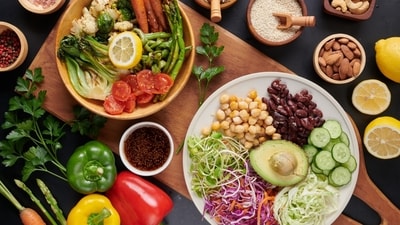 Indian food can be healthy with mindful eating habits
When people hear the words “healthy food,” many immediately picture a bowl of salad or a meal that looks uninteresting. That idea has made healthy eating feel like a compromise for many people. But nutritious food doesn’t have to mean giving up taste. From dal and chilla to homemade snacks, spices, chutneys and traditional recipes, Indian cooking already offers plenty of nutritious ingredients. The key is knowing how to combine them, how much to eat and how to make them enjoyable.
In an interview with HT Lifestyle, Eshanka Wahi, Dubai & Delhi-based Culinary Nutrition and Holistic Wellness Coach and Founder of Eat Clean With Eshanka, explains how people can make everyday Indian food more nutritious without compromising on flavour.
“Healthy food doesn’t have to mean giving up the flavours you enjoy. The idea should be to make the food you already eat more balanced and nutritious, rather than completely changing your meals,” Eshanka says.
Healthy doesn’t mean boring
“One of the biggest mistakes people make while trying to eat healthy is removing everything they enjoy from their plate. Instead of completely changing familiar meals, small changes in ingredients, preparation and combinations can make them more nutritious without taking away their taste,” she says.
“For example, a regular chilla can be made with vegetables and paired with curd or another protein-rich accompaniment. Homemade snacks can also be used instead of reaching for packaged options every time hunger strikes. The goal isn’t to make every meal perfect. It is to make everyday food nourishing enough to support health while still being something people actually enjoy eating,” Eshanka adds.
Indian food is healthier than we think
“Indian food itself isn’t necessarily the problem. The quantity, frequency and combination in which we eat it also matter. Indian food is healthy; we just need to change the way we eat it,” Eshanka explains.
“Take besan as an example. Besan can be a nutritious ingredient, but having besan pakoda, followed by besan chilla and then another besan-based snack on the same day can mean relying too heavily on one ingredient. Even a nutritious food needs to be part of a varied diet,” she says.
“The same principle applies to other foods. Instead of asking whether a particular Indian food is ‘healthy’ or ‘unhealthy,’ it is more useful to look at the overall meal and how different foods are balanced throughout the day,” Eshanka adds.
Tasty alternatives can still add nutrition
“Healthy alternatives don’t have to be limited to salads or plain food. There are plenty of homemade options that can satisfy cravings while also adding useful nutrients to the diet. For example, moong-based snacks such as moonglate can be included as a protein-rich option,” Eshanka says.
“For someone craving something sweet, homemade date-based chocolates made with ingredients such as dates, nuts and seeds can be an alternative to some packaged sweets. These options can also be useful for families with children,” she adds.
“Homemade versions allow parents to experiment with ingredients while keeping familiar flavours and textures. Another practical approach is preparing certain homemade snacks in batches. Depending on the recipe and storage method, some preparations can be made ahead of time and stored for several days or longer. This makes it easier to have a homemade option ready instead of relying on packaged snacks when there isn’t enough time to cook,” Eshanka explains.
Make healthy food more interesting, especially for children
“For children, taste isn’t always the only thing that matters. Presentation can also make a meal more appealing. Instead of sending the same paratha and sabzi in the lunchbox every day, parents can occasionally change the presentation or turn familiar ingredients into something more interesting,” Eshanka says.
“Vegetable cutlets, colourful idlis or simple shapes and faces made with vegetables can make lunch feel different without requiring completely new ingredients. Some preparations can also be done the night before, making the morning routine easier,” she adds.
“The idea isn’t to trick children into eating healthy food. It is simply to make nutritious food look and feel more exciting, so that children are more interested in trying it,” Eshanka explains.
The biggest mistake? Making healthy food taste bad
“Sometimes people remove so much from their meals in the name of health that the food loses the taste and texture they enjoy. This can make healthy eating difficult to maintain. But healthier cooking doesn’t have to mean flavourless cooking,” Eshanka says.
“Indian spices, herbs, chutneys, roasted ingredients and different cooking methods can add plenty of flavour. People often think that healthier food has to taste less exciting. It doesn’t. The way you season, combine and prepare ingredients can completely change the experience of a meal,” she adds.
“Even the way a favourite food is cooked can be changed. If someone enjoys fried foods, air-frying can be one option to achieve a crisp texture while using less added oil,” Eshanka says.
Think balance, not just ‘healthy’
“Another common mistake is expecting one food to provide everything the body needs. A balanced Indian meal can include a source of protein such as dal, beans, paneer, curd, eggs or fish, along with grains or other carbohydrate sources, vegetables and sources of healthy fats such as nuts and seeds,” Eshanka explains.
“Fruits and other nutrient-rich foods can be included across the day. Portion and variety matter as well. Eating a nutritious ingredient in large amounts doesn’t automatically make a meal healthier. The overall pattern of eating matters more than labelling one food as ‘good’ or ‘bad’,” she adds.
“So instead of asking only, ‘Is this food healthy?’ it may be more useful to ask, ‘How can I make this meal more balanced, nutritious and enjoyable?’” Eshanka says.

No comments:
Post a Comment