Showing posts with label better digestion. Show all posts

Tuesday, February 10, 2026

A New Probiotic Drink Is Here, and It’s Made with Apples!

 Kombucha has been the preferred probiotic drink for health-conscious individuals for many years. Its tangy, fermented flavor, combined with its supposed health benefits, has made it a favorite. But a new study from Brazil suggests there might be a new player on the probiotic scene—an apple-based fermented drink that could rival kombucha, offering similar health perks with a taste that many find more appealing. 

Researchers from the Federal University of Ceara in Brazil created two new probiotic drinks using passion fruit and apple juices. They used the same culture of bacteria and yeast, called SCOBY (Symbiotic Culture of Bacteria and Yeast), which is commonly used in traditional kombucha production. Their study, published in the journal ACS Agricultural Science & Technology, found that the apple-based drink not only matched kombucha in terms of health benefits but also scored higher when it came to taste.

How was the new apple-based probiotic drink made? 
 
Led by researcher Socorro Vanesca Frota Gaban, the team aimed to find alternatives to traditional kombucha that might appeal to a broader audience. While kombucha is popular, its unique taste can be a barrier for some people. The team hoped that by using fruit juices, they could create drinks that offer the same probiotic health benefits as kombucha but with a flavor profile more appealing to a wider range of consumers.
 
To make these new beverages, the researchers swapped the typical green tea base of kombucha with either passion fruit juice or apple juice. They added the SCOBY culture to the juice and let it ferment for 10 days at room temperature, following the same method used for kombucha. The two new drinks—PF(KLB) for the passion fruit version and A(KLB) for the apple version—were then compared to a batch of traditional green tea kombucha in terms of their chemical composition, antioxidant properties, and taste.

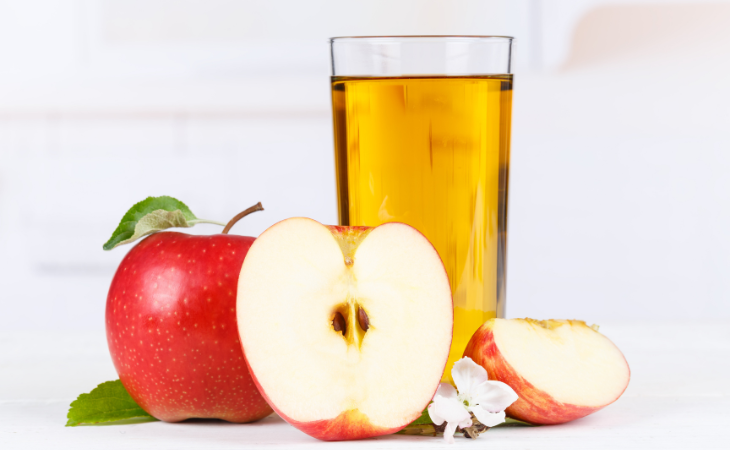
apple drink

Surprisingly, the apple-based drink, A(KLB), emerged as a strong competitor. In terms of health benefits, it contained similar amounts of phenolics and flavonoids—compounds known for their antioxidant properties—to traditional kombucha. In fact, in some measures of antioxidant activity, it even surpassed kombucha. These compounds are essential because they help fight free radicals in the body, reducing oxidative stress, which is linked to various diseases, including cancer. 
 
But what really sets A(KLB) apart is its taste. In a focus group of 12 participants, the apple-based drink was described as having a refreshing, cider-like flavor with floral and citrus notes. It was lightly carbonated, giving it a similar mouthfeel to popular soft drinks, and had a mild alcoholic kick that added to its appeal. Many tasters found it more palatable than traditional kombucha, which can have a strong, vinegary taste that isn’t for everyone.


On the other hand, the passion fruit version, PF(KLB), didn’t perform as well. While tasters appreciated its aroma, many found it too sour and bitter, likely due to its higher acidity and alcohol content. Its strong flavor was polarizing, with some participants enjoying it but most finding it overwhelming compared to the apple-based alternative. Traditional kombucha, meanwhile, fell somewhere in between, with tasters noting its sweetness but also its less pronounced flavor compared to the fruit-based drinks.

These results suggest that A(KLB) could be a great alternative for people who want the health benefits of kombucha but aren’t fans of its strong taste. Its familiar, apple-cider-like flavor could make it more appealing to the average consumer, offering a way to enjoy probiotics without sacrificing taste. As more people turn to functional beverages—drinks that offer health benefits beyond basic nutrition—A(KLB) could fill an important niche in the market. 
 
However, there’s a catch. The alcohol content in these fruit-based drinks is higher than in traditional kombucha. While kombucha usually contains less than 0.5% alcohol by volume, making it non-alcoholic in most countries, A(KLB) had an alcohol content of 1.65%, and PF(KLB) a much higher 6.2%. This could pose challenges for commercialization, as these drinks may need to be classified and sold as alcoholic beverages, depending on local regulations.

Is this apple-based drink the new secret to better digestion? 
Despite this hurdle, the researchers remain optimistic about the future of A(KLB). Its combination of health-promoting compounds, probiotic benefits, and appealing taste make it a strong candidate for further development. In today’s health-conscious world, consumers are always looking for the next big thing in functional foods and beverages, and A(KLB) could very well represent the next wave in probiotic drinks. 
 
There’s also growing interest in diversifying the probiotic market. Kombucha has been the star of the probiotic world for years, but as more research is conducted into different fermentation processes and ingredients, we could start to see a wider range of options available to consumers. Drinks like A(KLB) offer an exciting new frontier, providing the health benefits of probiotics in a more accessible format.

While more research is needed to fully understand its long-term health impacts, A(KLB) represents an exciting development in the world of functional beverages. Its combination of health-promoting compounds, probiotic benefits, and crowd-pleasing taste make it a strong contender for the next big health drink trend. 
 
So, what's next for A(KLB)? The researchers are optimistic about its future, but there's still work to be done. Further studies might explore ways to reduce the alcohol content while maintaining the beneficial properties. There's also the potential for experimenting with other fruit juices or flavor combinations to create a whole range of probiotic beverages.


As for us consumers, we'll have to wait a bit before we can grab a bottle of A(KLB) off the shelf. But who knows? In a few years, you might find yourself reaching for an apple-based probiotic drink instead of your usual kombucha. And hey, if it tastes like a delicious, slightly boozy apple cider while giving your gut a health boost, that sounds like a win-win to me. 
 
In the meantime, keep an eye out for new developments in the world of probiotics and fermented beverages. The next big health drink revolution might be just around the corner – and it might taste a whole lot better than you'd expect.


https://gscrochetdesigns.blogspot.com. one can see my crochet creations  

https://kneereplacement-stickclub.blogspot.com. for info on knee replacement

https://cancersupportindia.blogspot.com  for info on cancer and health related topics

https://GSiyers home remedies.blogspot.com   is the latest addition to my blogs

Sunday, October 12, 2025

Cinnamon milk: 10 reasons why everyone's talking about this ..
Cinnamon milk might be the healthy drink you’ve been missing out on.

The comforting blend of warm milk and cinnamon is more than just a bedtime drink—it’s a natural health booster packed with antioxidants, anti-inflammatory compounds, and immune boosting properties. Whether you’re sipping it before a bed ot starting your morning with it, drinking cinnamon milk daily can do wonders for your body—from improving digestion and sleep to balancing blood sugar and supporting heart health.

Americans are increasingly turning to natural home remedies and functional foods to stay healthy, and cinnamon milk fits right. It’s delicious, soothing and can easily replace sugary latte or hot chocolate. Plus, it’s a dairy-based super drink ( or can me made with almond or oat milk for a vegan twist) that brings together the best of taste and nutrition. So, grab your mug—let’s dive into the top 10 health benefits of cinnamon milk and why you’ld add to your wellness routine today.

Boosts immunity naturally

Cinnamon is packed with powerful antioxidants and antibacterial properties that helps your immune system fight off infections. Regularly drinking warm cinnamon milk can help keep common colds, coughs and seasonal flu at bay—especially during chilly months.

Supports better digestion

If you often deal with bloating or indigestion after meals, cinnamon milk can help. Cinnamon promotes smoother digestion by stimulating enzymes that break down food efficiently. Warm milk, meanwhile, soothes the digestive tract—making this combo a great natural remedy for digestive discomfort.

Helps regulate blood sugar levels

One of the most researched benefits of cinnamon is its ability to stabilize blood sugar levels. It improves insulin sensitivity, which helps the body process glucose more effectively. This makes cinnamon milk a smart bedtime drink for those managing prediabetes or type 2 diabetes ( just be sure to use unsweetened milk and skip added sugar).

Promotes relaxation and better sleep

Looking for a natural bedtime drink for better sleep? Cinnamon milk is your answer. The warmth of milk triggers relaxation, while cinnamon helps calm your nervous system. A warm cup before bed can reduce stress, ease anxiety, and help you fall asleep better.

Strengthens bones

If you’re not getting enough calcium, drinking milk with a touch of cinnamon can give your bones the boost they need. Milk is naturally rich in calcium and vitamin D, while cinnamon adds trace minerals like manganese and iron that support bone strength and density.

May aid in weight management

Cinnamon has been linked to improved metabolis, and fat-burning. Drinking cinnamon milk regularly may help reduce sugar cravings and support weight management goals. It also keeps you fuller for longer, making it a smart low-calorie, healthy drink option for anyone watching their weight.

Fights inflammation

Chronic inflammation can contribute to conditions like arthritis, heart disase, and diabetes. Cinnamon’s anti-inflammatory compounds such as cinnamaldehyde, can help lower inflammation levels in the body. Adding this spice to your milk creates a soothing, anti-inflammatory bedtime drink that supports long-time wellness.

Supports heart health

Cinnamon may help lower bad cholesterol (LDL) and triglycerides while boosting good cholesterol (HDL). Combines with milk’s natural potassium content, this drink can help regulate blood pressure and improve overall cardiovascular health.

Improves skin health

Cinnamon’s antimicrobial and antioxidant properties can help clear up acne, improve circulation, and support glowing skin. Milk, rich in lactic acid, also nourishes the in from within—so together, cinnamon milk is a natural beauty elixir that promotes healthy, radiant skin.

Eases menstrual cramps

Ladies, here’s another reason to love cinnamon milk—it’s known to ease period pain and cramps naturally. Cinnamon has milk muscle-relaxing properties that help reduce discomfort, while warm milk provides calming relief during your cycle.

How to make cinnamon milk at home

Warm 1 cup of milk ( dairy/ non-dairy)

Add ½ tsp of cinnamon pdr or cinnamon stick

Simmer for 3-5 minutes, stirring gently

Optionally, add a touch of honey or maple syrup for sweetness.

Enjoy it hot before bed or chilled in the morning- it’s delicious either way.


https://gscrochetdesigns.blogspot.com. one can see my crochet creations  

https://kneereplacement-stickclub.blogspot.com. for info on knee replacement

https://cancersupportindia.blogspot.com  for info on cancer and health related topics

https://GSiyers home remedies.blogspot.com   is the latest addition to my blogs