Key Takeaways
- Exposure to ethylene gas can cause some produce to rot or ripen too quickly.
- Rinsing some produce before storage can promote rot and mold, while other fruits and vegetables should be immediately washed and dried.
- Some fruits and vegetables can be frozen to help them last longer.
Fact: The United States throws away 150,000 tons of food daily. On average, each household wastes around $1,500 worth of food per year. And fruits and vegetables account for 39 percent of this loss.
The good news: With a few simple tricks to reduce the amount of fresh produce we toss, we could have a massive impact on the environment (and on our grocery expenses).
One of the most common mistakes that leads to food spoilage is storing fruits and vegetables too close together. A build-up of ethylene gas will cause them to go bad. The produce with the greatest amount of this compound are apples, melons, apricots, bananas, tomatoes, avocados, peaches, pears, nectarines, plums, figs, and some other fruits.
The experts at Space Station helped us pull together this handy guide for storing fresh foods—because the longer your perishables last, the less trash you create.
Apples
Keep apples in an uncovered fruit bowl on the countertop and store them out of direct sunlight. If you have an abundance of whole Granny Smiths and Honeycrisps from a day of apple picking and you're looking to extend their shelf life, keep them in your refrigerator's crisper drawer. Wrapping whole apples in a damp paper towel and then placing them in a plastic bag with holes in it can keep them fresh for about six weeks. Just be mindful to not store them next to other fruits and vegetables, because apples contain ethylene gas that will ripen other produce more quickly.
Asparagus
Store whole asparagus in your refrigerator crisper drawer for a week or so. Additionally, some home cooks also like to store their asparagus in water, like fresh flowers. To do so, trim the ends (about 1/4-inch is enough) and arrange your asparagus in a cup, mug, or vase with a few inches of fresh water. Store it in the fridge, but if you don't have space, the countertop can also work for a few days. You can also place a plastic bag, plastic wrap, or paper towel over the top of the spears to protect them and help ensure that they retain that classic crispness. If you notice the water getting cloudy, change it out, ideally every day or so. Fresh asparagus stored in this manner can last over a week.
To freeze asparagus, blanch it (whole or cut into pieces) before moving
it to a freezer bag with the date. It will last for about a year.
Avocado
The best way to store an unripe avocado is to keep it whole and place it on your countertop, away from other fruits and vegetables. It will typically last on your countertop for four to five days. However, since avocados can be tricky, it's important to check for ripeness daily.
If your avocado is already ripe (or is getting there) you can place it
in your refrigerator, where it will stay fresh for several days,
depending on its level of ripeness. When putting your avocado in the
fridge, it's best to store it in an airtight food storage container or
in the produce/crisper drawer. Just note that if your avo is in the
produce drawer with bananas or apples, the ethylene gas from these
fruits will speed up the ripening process, so check it frequently.
To freeze an avocado half, remove the pit and skin. Then, sprinkle some
lemon or lime juice on the flesh and cover the whole thing tightly in
plastic wrap. To minimize the avocado's contact with oxygen even
further, place it in a vacuum-sealed bag or an airtight plastic bag.
Bananas
If you won't be eating them immediately, buy bananas when they're still slightly green and store them away from other fruits in the fruit bowl (they release high amounts of ethylene gas). Consider using a banana tree to keep them separated and minimize bruising. You should also aim to keep the fruits away from direct sunlight, as the heat from the sun can cause them to ripen rapidly.
Beets
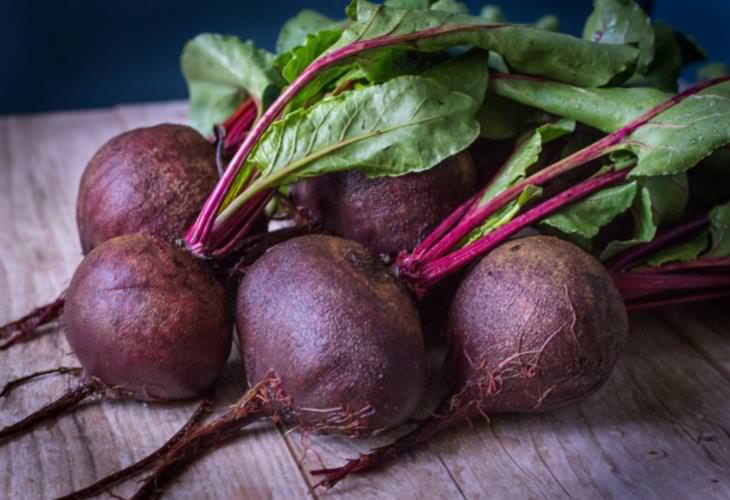
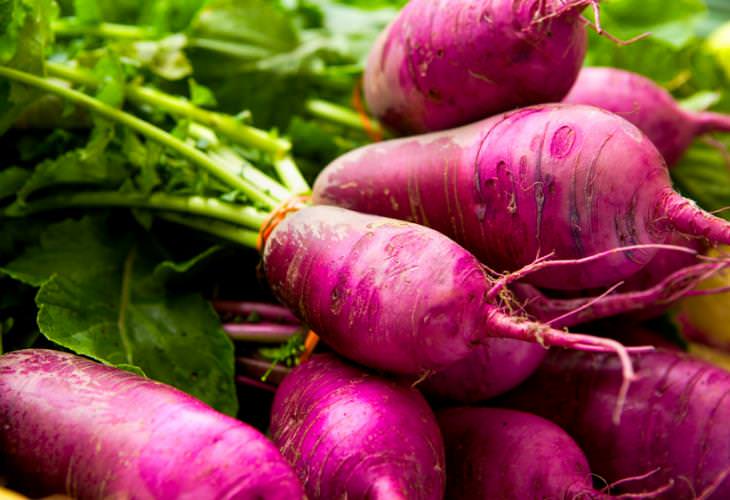
To properly store whole beets, begin by chopping off all but a stub of the beets’ greens, keeping the bulb intact. Discard the extra beet greens, or save them to sauté in garlic and olive oil for a simple side dish. It’s best to keep the skin on, which protects the interior and keeps the beet fresh for longer. Avoid washing the beets, no matter how ruddy they are, as the moisture will cause them to rot more quickly. Store whole beets in the cool, dry environment of your crisper drawer. No need to place them in a plastic bag or other container first, which would inhibit ventilation. Stored like this in the refrigerator, beets can last for up to two months.
Raw beets are prone to sogginess when frozen and thawed, so it’s best to cook the beets first if you plan on freezing them.
Blueberries
When you get home, go through the blueberries and remove any bad ones that may have been hiding. Mold travels fast, so it's best to get ahead of the problem. To avoid mold development, try not to rinse the berries until right before you're ready to eat them. When it comes to preserving fresh blueberries, moisture is the enemy.
To store blueberries, choose a container with good airflow (like the pint the berries came in!), and line it with a paper towel to absorb excess moisture. Add the berries, then place the container on a shelf in the refrigerator. A shelf is better than the crisper drawer because there's better air circulation. Stored in this way, you can expect blueberries to last for about a week.
To freeze blueberries, let them cool in the freezer for a few hours on a
baking sheet before transferring them to a plastic bag or freezer-safe
airtight container.
Carrots
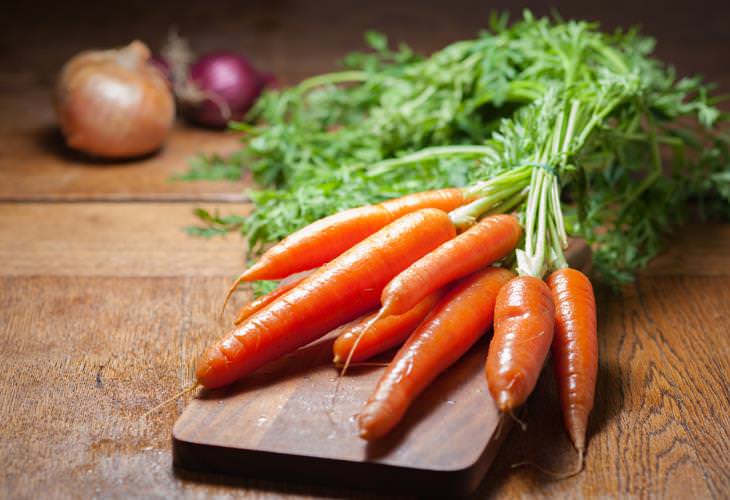
Trim off the carrot greens, and either discard them or save them for something else, like pesto. If you leave the greens on the carrots, they will draw moisture and cause the roots to rot more quickly. Avoid washing whole, unpeeled carrots until right before you plan to eat or cook with them; by keeping them dry, they will stay good for a longer period of time. To store carrots, wrap them in a dry paper towel, and store them in an airtight food storage container or bag in the coolest part of your refrigerator.
The best way to freeze carrots is to blanch them before laying them out
on a baking sheet in the freezer to cool for a few hours. Once the
carrots have cooled down, transfer them to an airtight bag, and return
to the freezer.
Cherries
Cherries will spoil quickly if left out at room temperature, so you should pop them in the refrigerator immediately upon getting home from the grocery store. Once in the fridge, cherries can last for about a week. No need to cover them; in fact, they're better off uncovered to avoid moisture accumulation, which can contribute to spoilage.
You can freeze pitted cherries by washing them, removing the stems, and laying them out on a baking sheet to cool in the freezer. Once cooled, move the cherries to a freezer-safe, air-tight container, and pop them back in the freezer.
Cilantro
Trim off the very ends of the cilantro stems, then place the bunch, stem side down, into a can or mason jar with an inch or so of water. Next, open a clean plastic bag and place it over the cilantro to loosely cover the leaves. Store the cilantro in the refrigerator, as the tender leaves prefer cooler temperatures, and change the water if/when you notice it starting to discolor. Stored this way, cilantro can last up to two weeks. Hold off on washing the cilantro until right before you use it, as excess moisture causes it to rot more quickly.
To freeze cilantro, we suggest blending it and freezing it in an ice cube tray. Using a food processor or blender, combine clean cilantro with just enough water or olive oil to create a smooth mixture, then pour it into an ice cube tray for later use.
Citrus Fruits
Because netting for lemons, oranges, and limes is dangerous to sea life and birds, these fruits should always be bought loose. You can keep them out at room temperature, but once they're past peak ripeness, storing them in the fridge will help them last longer. (The same goes for tomatoes and avocados.) If your citrus starts to turn, you can slice the fruit up and freeze it: Frozen citrus is great as ice cubes for drinks.
Cucumbers
Wash cucumbers as soon as you bring them home from the grocery store. Make sure they're thoroughly dry as excess water will spoil them, then wrap each in a cloth or plastic wrap and store it in an airtight container. The plastic wrap acts as a shield and locks in moisture, which prevents the cukes from ripening and becoming mushy.
Garlic
Store heads of garlic in a cool, dry place with plenty of air circulation. For example, a basket on your counter (out of the sun) would work well. Garlic is best kept in a cool (not cold) place, so avoid putting it in the refrigerator unless you plan to use it all within a few days.
You can freeze garlic in pretty much every form: whole heads, peeled, and grated. For peeled cloves, lay them out on a baking sheet and freeze them until solid before storing them in a bag in the freezer.
I read the best way to store onion and garlic is the punch many holes in a paper bag, it will last. I tried with garlic, and it has remained in the same condition for more than 2 months.
Ginger
To help your ginger stay fresher for longer, make sure to place it in an air-tight food storage container or
sealed plastic bag, and then store it in the crisper drawer in the
fridge. This will help keep it fresh for a month, or even longer.
Got your eyes on the freezer? Make sure to wash and dry the ginger root before you freeze it, and store it in a plastic bag or freezer-friendly container.
According to me, the best way to store ginger outside the fridge in any small bowl.
Grapes
Whole grapes should be washed, patted dry, and then stored in a well-ventilated container
in the crisper drawer of your refrigerator. This will allow them to
last for up to three weeks. You’ll want to avoid putting them into an
airtight container or plastic bag, since that prevents air circulation.
To freeze grapes,
simply rinse and dry them and spread them out on a lined baking sheet.
Place them in the freezer for a few hours or overnight, and once they’re
frozen, you can put them in a storage container so they’re easily
accessible.
Herbs
A great hack for storing fresh basil and herbs is to chop the leaves in a food processor and place them in an ice cube tray with a little olive oil and store them in the freezer. When basil is needed for a dish, just pop in a ready-made ice cube.
Lettuce
For most lettuce varieties, such as romaine and spinach,
start by removing the lettuce from its packaging and discard any
damaged outer leaves. Next, wrap the heads in paper towels, and place
them in fresh plastic bags in your refrigerator’s crisper drawer. Don’t
separate the leaves or wash them until the day you’re planning to eat
them; whole heads stay fresher much longer than individual leaves, and water causes greens to wilt.
However, for iceberg lettuce the storage process looks a little
different. We suggest keeping any iceberg lettuce in its original
packaging in your fridge’s crisper drawer until the day you’re ready to
use it. Don’t break up or wash iceberg lettuce until you’re ready to eat
it, as the excess water will cause it to deteriorate.
And if you're lucky enough to have fresh lettuce straight from your
backyard garden, when to wash the greens is up to you. If they look
clean, store as you would other lettuce types. If you harvest a head of
lettuce that’s extra gritty and might have some bugs tucked inside, go
ahead and wash your veggies to avoid getting your fridge all dirty.
After washing the greens, store them in plastic bags with paper towels
to absorb moisture, and tuck everything into your fridge’s crisper
drawer. Just know that washing greens makes them go bad faster, so try
to eat them within a couple days.
Mangoes
Unripe mangoes are best stored at room temperature, and not in the refrigerator. At room temperature, the fruits will continue to ripen, growing sweeter and softer over the course of a few days. To speed up the ripening process, place mangoes in a paper bag at room temperature. Once the mango yields slightly to the touch, it's ready to eat. If your mango is already ripe, go ahead and eat it or store it the fridge, where it will last for about five days.
To freeze a ripe mango, peel it and cut it into cubes or slices. Then,
arrange the mango pieces on a baking sheet lined with parchment paper
and freeze for at least two hours. Once the fruit pieces are frozen,
transfer them to a freezer-safe bag and squeeze as much air out of the
bag as possible. Seal the bag tightly and label it with the date.
Mushrooms
If you’ve purchased pre-packaged mushrooms, store them as they are. Their original packaging should already be ventilated to keep them dry in the fridge. Otherwise, the best way to store whole mushrooms is in a brown paper bag lined with paper towels. There’s no need to close the bag tightly, as the airflow will help the mushrooms stay dry. Mushrooms, which are already high in water, release moisture as they sit, so they need absorbent packaging to stay fresh. Make sure not to wash the mushrooms until just before using them, as the excess water will cause them to rot more quickly. Store the mushrooms in the fridge to keep them fresher for longer. Stored this way, whole mushrooms can last for up to one week.
To freeze, clean the mushrooms, then store them in an airtight,
freezer-safe bag or food storage container. Stored properly, mushrooms
will last in the freezer for about two months.
Onions and Potatoes
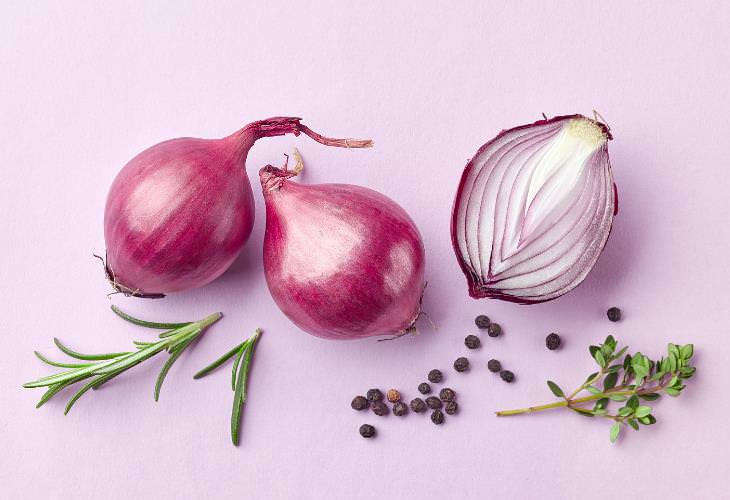
Onions, potatoes, and shallots should be stored in a cool dark place to keep them fresh, like a basket in a cupboard or a cellar. Avoid storing these products in plastic bags, as this encourages spoilage. However, once cut, onions should be stored in a resealable bag in the fridge, where they will last for around a week. If you want your onions to last even longer, chop them up and store 'em in a container in the freezer.
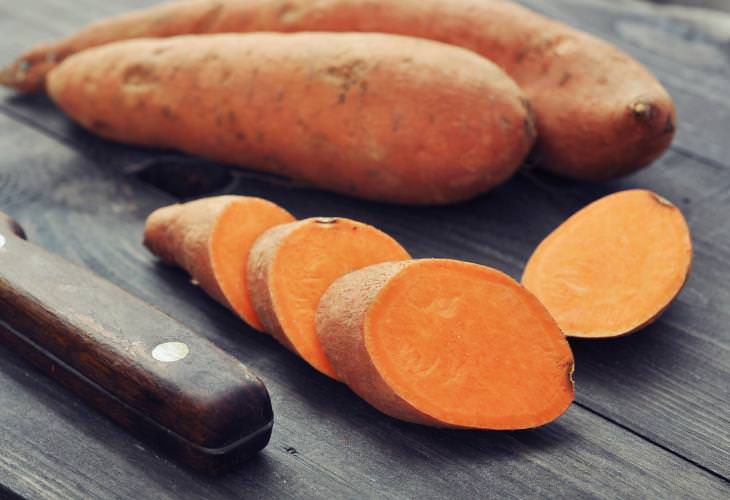
And while potatoes don't thrive in the fridge, like onions, they can effectively be stored in the freezer. However, spuds will do best in the freezer if you prepare your potato recipe—think mashed potatoes or tater tot casserole— and then store the finished dish in a freezer-friendly container to enjoy later. You can also partially cook your potatoes, which will help remove some of the water from the spuds and make them less mushy when frozen.
Peaches
For peaches that are not yet ripe, store them on the counter at room temperature in a single layer (to avoid bruising) for a few days, or until they are nice and ripe. It's best to eat ripe peaches right away, but if that's not in the cards, store them in the refrigerator. The cool environment will slow down the ripening process and buy you a little time. In either scenario, wait to wash your peaches until right before you intend to eat them, as peach skins have a natural preservative to help protect the flesh.
For details on the best way to freeze peaches, click here.
Strawberries
To store strawberries, place a clean, dry paper towel in a container and put unwashed strawberries on top. Close the lid and place the container in the refrigerator.
To freeze pre-cut strawberries, which is ideal if you're using them in anything from a delicious dessert to a healthy smoothie,
place the berries cut-side down on a wax paper-lined cookie sheet.
Freeze the strawberries for a few hours, then place them in an air-tight
container and put it back in the freezer. When using this method, frozen strawberries should stay fresh for about 10 to 12 months.
Tomatoes
If the tomatoes are not yet ripe, they are best stored on the counter
for a few days until they ripen. (You'll know they're ripe when they're
fragrant and give a little bit to the touch.) Once they're ripe, either
consume them or go ahead and put them in the refrigerator to preserve
their freshness. A ripe tomato can stay fresh in the refrigerator for
about two weeks.
If you have a bounty of ripe tomatoes
and you're not going to use them all, give them a rinse, let them dry,
remove their stems, and freeze them in a freezer-proof container or bag.
Watermelon
:max_bytes(150000):strip_icc()/how-to-store-watermelon-2000-e5376ee7e581418cbc178d423c2d3913.jpg)
If you're not eating your watermelon right away, store it on the countertop, but out of direct sunlight. In air conditioning or temperate weather, a fresh watermelon will be fine sitting on the counter for one to two weeks. If your watermelon is ripe and you don't have time to eat it, don't panic. But don't slice either. Slide that whole watermelon into the fridge, where it will stay fresh for two to three more weeks.
To freeze watermelon, cut it into small pieces and remove the seeds. Spread the watermelon pieces on a baking sheet lined with parchment paper, and place the tray in the freezer for a few hours to flash-freeze the pieces. Once frozen, move the watermelon chunks to a freezer-safe container or storage bag, label it with the date, and return it to the freezer.