Showing posts with label chocolate. Show all posts

Monday, August 3, 2026

20 Foods That Should Be Kept Out of the Refrigerator

Today we take it for granted, however, refrigerators are an ingenious product that changed everything when they were invented. With these special electrical devices, people could finally keep food for longer without worrying about spoiling, thus saving money and enjoying fresh food at all times. Despite the necessity of the refrigerator when it comes to keeping food fresh, you don’t actually need to store every food item you bring home from the grocery store in it. There are certain foods, both natural and processed, which are altered both in taste, texture and even nutritional value when refrigerated. The list of the following 20 foods, which are not recommended to be kept in the refrigerator, will allow you to save space and make the most of the taste and nutritional value of your favorite foods.

 1. Bananas  

This favorite summer fruit ripens quickly when it’s outside, but that doesn’t mean that it needs to be kept in the refrigerator to prolong its life. This is because the nutrients, that is, the vitamins and minerals in the bananas, are stored better outside of the refrigerator than inside it. 

2. Whole watermelon 

Cold watermelon is a summer favorite, but it isn’t recommended to put the whole fruit into the refrigerator if you want to store it at home. Storage of a whole watermelon in the refrigerator damages the essential antioxidant content of beta-carotene, which is found in the fruit. Therefore, whole watermelons are best kept outside the refrigerator, and if you want some chilled pieces, cut them beforehand, put them in a sealed box and kept them in the refrigerator until you want a healthy snack.

3. Coffee  foods
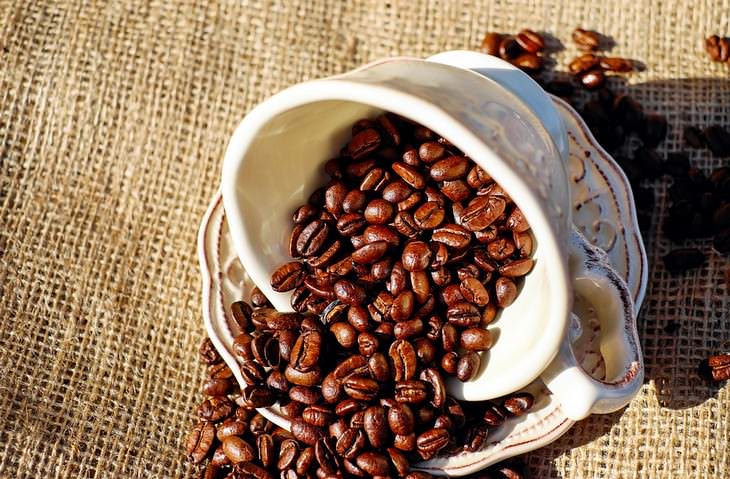
Humidity conditions in the refrigerator are the enemies of coffee of all kinds, therefore, it is recommended to avoid storing whole and ground coffee beans of in the refrigerator. The moisture in the refrigerator "sticks" to coffee, changes its flavor and destroys its wonderful aroma.

4. Peaches  

When peaches are placed in the refrigerator, their ripening process stops, and consequently, they don’t reach the stage where their taste becomes as it should be. Moreover, cooling causes damage to the nutritional components of these wonderful fruits, which is why it’s not recommended to keep them in the refrigerator. 

5. Mango 

This exotic fruit is not used to cool temperatures, so it is not advisable to put it in the refrigerator. The essential components of the mango break down when they come into contact with cold, and so, they may lose the nutritional values that make them so healthy for us. 

6. Plums 

Many times, cold causes plums to shrink and lose their form and beloved juicy texture. The components in the purple fruit, like dietary fibers that help regulate digestive activity, are damaged by the cold and therefore should not be stored in the fruit drawer.

7. Oils  

Storage of oil in a place exposed to sunlight causes it to oxidize which is harmful to its composition, but on the other hand, storing it in the refrigerator also harms it. When storing different oils in the refrigerator - especially olive and avocado oil - they crystallize into a buttery texture which damages their taste. 

8. Pumpkin 

When storing pumpkin in the refrigerator, moisture causes it to develop mold, and even when that is not the case – its taste can still be damaged. The wetness in the refrigerator may seep into the pumpkin and change its taste, which is why it’s better to opt for cool and shaded places, such as the pantry, over keeping pumpkin in the refrigerator. 

9. Basil  foods
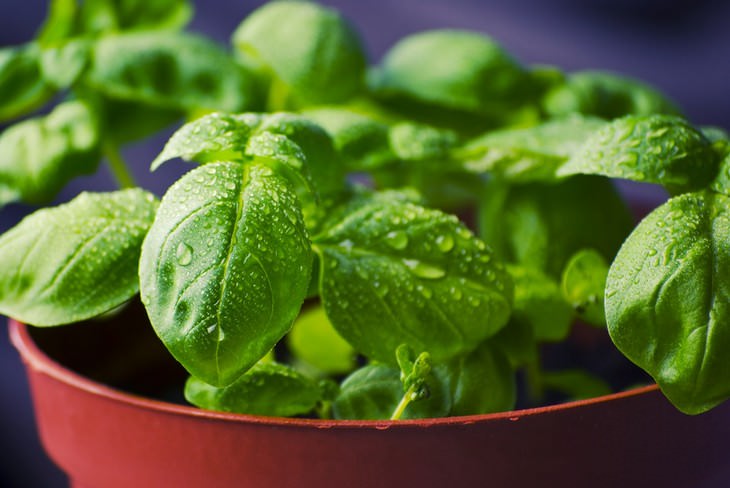
Basil is a delicate herb that quickly wilts in the cold, and it also absorbs odors that change its taste from the various items in the refrigerator. Therefore, it is recommended to place basil stalks into a vessel with water, cover its leaves with a bag and put it in a shaded place, so that they hold longer and don’t become damaged.

10. Kiwi
 

Despite its rough appearance, kiwi is sensitive to external influences such as cold. When this fuzzy, sour fruit is placed in the refrigerator, its nutritional value is also impaired as well as its appearance, taste, and texture, which is why the fridge is not the place for it. 

11. Onions (especially cut) 

Onions have a great amount of liquid, and when put into the refrigerator they are fertile ground for the development of mold that requires moisture to survive. Furthermore, chopped onion absorbs bacteria and odors from the refrigerator, so it is recommended to use it all if cut, or alternatively chop and freeze it. 

12. Garlic 

 When garlic is placed in the refrigerator, the cold causes it to sprout, and it also develops mold and has a texture reminiscent of rubber. To prevent this, do not store it in the refrigerator, and choose a cool, dry place where it can be kept naturally for a long time.

13. Eggplant 

Eggplants are especially sensitive to cold, and when placed in the fridge they quickly spoil and tend to shrink and develop a rubber-like texture as well as mold in their stem. In addition, the natural ethylene gas released from fruits and vegetables further damages the eggplant and causes them to spoil and lose their flavor. 

14. Sweet potatoes 

When sweet potatoes are brought into the refrigerator, the structure of their cell walls changes and becomes stiff and hard to cut. The cooling also damages their texture, so it takes longer to prepare them, unlike sweet potatoes kept outside the refrigerator. Refrigerator moisture also causes the development of mold and a stale taste, so this is definitely not the place for them. 

15. Hot and sweet peppers 
foods 

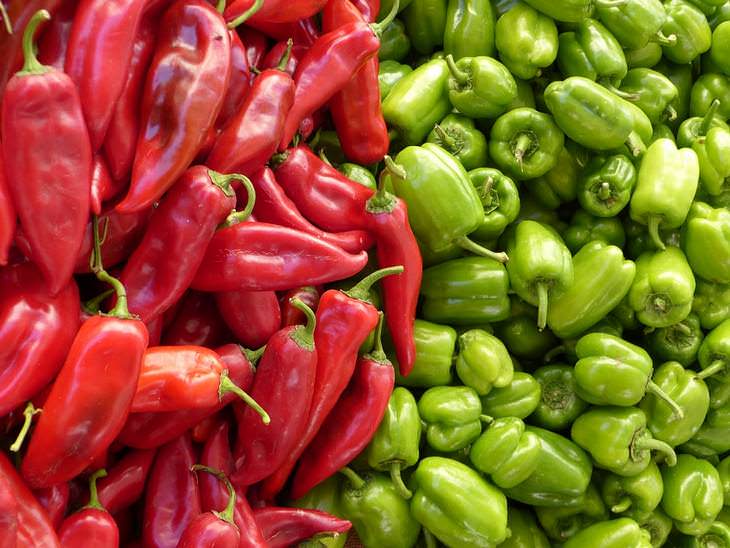
 When sweet peppers are put into the refrigerator, their natural color fades with time and humidity causes them to develop mold that harms their taste and also makes them inedible. They also tend to shrink when refrigerated, just like their little brothers - hot peppers, therefore, it is not recommended to put both types of peppers in there.

16. Peanut butter 

Fine peanut butter spreads wonderfully on bread and can be used as a snack in itself or even as an ingredient in cookies. When you put the salty-sweet spread to cool in the fridge, its texture becomes damaged and it becomes difficult and almost impossible to spread, so the refrigerator is definitely not the place for it. 

17. Nectarines  

This wonderful fruit is eaten in its fresh form and also used to make a variety of pastries, but refrigeration can damage its unique taste. The moisture created in the refrigerator causes the nectarines to soften, even if they are not yet ripe so that their delicate skins absorb unpleasant flavors. When nectarines are refrigerated, they tend to spoil quickly, so it is recommended to take them out of the fridge and store them on the counter. 

18. Cereal 

Sometimes cereal is kept in the refrigerator to prevent ant infestations, but instead, it is recommended to place them in a well-sealed container. When you put cereal in the refrigerator, it can become sponge-like and absorb the smells and flavors around it, as well as soften and lose its flavor and texture. If there is extra sugar in the grains, they crystallize into soft, inedible lumps that stick together and lose their well-known crispness and flavor.

19. Salad dressings 

Salad dressing based on vinegar and oil - like vinaigrettes - are found in almost every refrigerator, but it is certainly not their place. The vinegar and the oil preserve the wonderful taste of the sauces, and when stored in the refrigerator, this taste becomes damaged because they absorb odors around them, even when their container is closed. 

20. Chocolate 

Some chocolates soften at room temperature and can be refrigerated, but most of these sweet treats remain solid even when they are outside the refrigerator. If you put chocolate in the fridge, its crystalline structure changes, it develops white spots and its flavor changes dramatically.


https://gscrochetdesigns.blogspot.com. one can see my crochet creations  

https://kneereplacement-stickclub.blogspot.com. for info on knee replacement

https://cancersupportindia.blogspot.com  for info on cancer and health related topics

https://GSiyers home remedies.blogspot.com   is the latest addition to my blogs


Wednesday, February 18, 2026

Flourless Chocolate Cake

With just five ingredients to work with, this flour-less chocolate cake is quick and very easy to make. Topped with flaked almonds, this cake is a real crowd pleaser! 

Ingredients of Flour-less Chocolate Cake

  • 100 Gram Chocolate
  • 4 Eggs
  • 75 gram Butter
  • 100 gram Sugar
  • Flaked almonds

Preparations

Break the chocolate into small pieces and melt over hot water.

In a bowl whisk butter and sugar together. As you whisk, add the 4 egg yolks, one at a time.

In another bowl whisk 3 egg whites until frothy.

Let the heated chocolate cool down and pour it into the butter and egg mixture.

Then add the egg white mixture and stir thoroughly.

Pour the chocolate mixture in a floured and buttered oven tray & garnish with flaky almonds.

Set the oven at 175 degrees and bake for about 10 minutes.

Serve the chocolate cake with vanilla ice cream.

https://gscrochetdesigns.blogspot.com. one can see my crochet creations  

https://kneereplacement-stickclub.blogspot.com. for info on knee replacement

https://cancersupportindia.blogspot.com  for info on cancer and health related topics

https://GSiyers home remedies.blogspot.com   is the latest addition to my blogs


Tuesday, January 13, 2026

20 Foods That Should Be Kept Out of the Refrigerator

Today we take it for granted, however, refrigerators are an ingenious product that changed everything when they were invented. With these special electrical devices, people could finally keep food for longer without worrying about spoiling, thus saving money and enjoying fresh food at all times. Despite the necessity of the refrigerator when it comes to keeping food fresh, you don’t actually need to store every food item you bring home from the grocery store in it. There are certain foods, both natural and processed, which are altered both in taste, texture and even nutritional value when refrigerated. The list of the following 20 foods, which are not recommended to be kept in the refrigerator, will allow you to save space and make the most of the taste and nutritional value of your favorite foods.
1. Bananas 
This favorite summer fruit ripens quickly when it’s outside, but that doesn’t mean that it needs to be kept in the refrigerator to prolong its life. This is because the nutrients, that is, the vitamins and minerals in the bananas, are stored better outside of the refrigerator than inside it. 
 
2. Whole watermelon 
Cold watermelon is a summer favorite, but it isn’t recommended to put the whole fruit into the refrigerator if you want to store it at home. Storage of a whole watermelon in the refrigerator damages the essential antioxidant content of beta-carotene, which is found in the fruit. Therefore, whole watermelons are best kept outside the refrigerator, and if you want some chilled pieces, cut them beforehand, put them in a sealed box and kept them in the refrigerator until you want a healthy snack.

3. Coffee 
Humidity conditions in the refrigerator are the enemies of coffee of all kinds, therefore, it is recommended to avoid storing whole and ground coffee beans of in the refrigerator. The moisture in the refrigerator "sticks" to coffee, changes its flavor and destroys its wonderful aroma.
4. Peaches 
 When peaches are placed in the refrigerator, their ripening process stops, and consequently, they don’t reach the stage where their taste becomes as it should be. Moreover, cooling causes damage to the nutritional components of these wonderful fruits, which is why it’s not recommended to keep them in the refrigerator. 
 
5. Mango 
 This exotic fruit is not used to cool temperatures, so it is not advisable to put it in the refrigerator. The essential components of the mango break down when they come into contact with cold, and so, they may lose the nutritional values that make them so healthy for us. 
 
6. Plums 
Many times, cold causes plums to shrink and lose their form and beloved juicy texture. The components in the purple fruit, like dietary fibers that help regulate digestive activity, are damaged by the cold and therefore should not be stored in the fruit drawer.
7. Oils 
Storage of oil in a place exposed to sunlight causes it to oxidize which is harmful to its composition, but on the other hand, storing it in the refrigerator also harms it. When storing different oils in the refrigerator - especially olive and avocado oil - they crystallize into a buttery texture which damages their taste. 
 
8. Pumpkin 
When storing pumpkin in the refrigerator, moisture causes it to develop mold, and even when that is not the case – its taste can still be damaged. The wetness in the refrigerator may seep into the pumpkin and change its taste, which is why it’s better to opt for cool and shaded places, such as the pantry, over keeping pumpkin in the refrigerator. 
 
9. Basil 
 foods
Basil is a delicate herb that quickly wilts in the cold, and it also absorbs odors that change its taste from the various items in the refrigerator. Therefore, it is recommended to place basil stalks into a vessel with water, cover its leaves with a bag and put it in a shaded place, so that they hold longer and don’t become damaged. 

10. Kiwi  
Despite its rough appearance, kiwi is sensitive to external influences such as cold. When this fuzzy, sour fruit is placed in the refrigerator, its nutritional value is also impaired as well as its appearance, taste, and texture, which is why the fridge is not the place for it. 
 
11. Onions (especially cut)  
Onions have a great amount of liquid, and when put into the refrigerator they are fertile ground for the development of mold that requires moisture to survive. Furthermore, chopped onion absorbs bacteria and odors from the refrigerator, so it is recommended to use it all if cut, or alternatively chop and freeze it. 
 
12. Garlic 
When garlic is placed in the refrigerator, the cold causes it to sprout, and it also develops mold and has a texture reminiscent of rubber. To prevent this, do not store it in the refrigerator, and choose a cool, dry place where it can be kept naturally for a long time.

13. Eggplant / Brinjal
Eggplants are especially sensitive to cold, and when placed in the fridge they quickly spoil and tend to shrink and develop a rubber-like texture as well as mold in their stem. In addition, the natural ethylene gas released from fruits and vegetables further damages the eggplant and causes them to spoil and lose their flavor. 
 
14. Sweet potatoes 
When sweet potatoes are brought into the refrigerator, the structure of their cell walls changes and becomes stiff and hard to cut. The cooling also damages their texture, so it takes longer to prepare them, unlike sweet potatoes kept outside the refrigerator. Refrigerator moisture also causes the development of mold and a stale taste, so this is definitely not the place for them.

15. Hot and sweet peppers 
 foods
 
When sweet peppers are put into the refrigerator, their natural color fades with time and humidity causes them to develop mold that harms their taste and also makes them inedible. They also tend to shrink when refrigerated, just like their little brothers - hot peppers, therefore, it is not recommended to put both types of peppers in there.

16. Peanut butter 
Fine peanut butter spreads wonderfully on bread and can be used as a snack in itself or even as an ingredient in cookies. When you put the salty-sweet spread to cool in the fridge, its texture becomes damaged and it becomes difficult and almost impossible to spread, so the refrigerator is definitely not the place for it. 
 
17. Nectarines  
This wonderful fruit is eaten in its fresh form and also used to make a variety of pastries, but refrigeration can damage its unique taste. The moisture created in the refrigerator causes the nectarines to soften, even if they are not yet ripe so that their delicate skins absorb unpleasant flavors. When nectarines are refrigerated, they tend to spoil quickly, so it is recommended to take them out of the fridge and store them on the counter. 
 
18. Cereal  
Sometimes cereal is kept in the refrigerator to prevent ant infestations, but instead, it is recommended to place them in a well-sealed container. When you put cereal in the refrigerator, it can become sponge-like and absorb the smells and flavors around it, as well as soften and lose its flavor and texture. If there is extra sugar in the grains, they crystallize into soft, inedible lumps that stick together and lose their well-known crispness and flavor.

19. Salad dressings  
Salad dressing based on vinegar and oil - like vinaigrettes - are found in almost every refrigerator, but it is certainly not their place. The vinegar and the oil preserve the wonderful taste of the sauces, and when stored in the refrigerator, this taste becomes damaged because they absorb odors around them, even when their container is closed. 
 
20. Chocolate 
Some chocolates soften at room temperature and can be refrigerated, but most of these sweet treats remain solid even when they are outside the refrigerator. If you put chocolate in the fridge, its crystalline structure changes, it develops white spots and its flavor changes dramatically.


https://gscrochetdesigns.blogspot.com. one can see my crochet creations  

https://kneereplacement-stickclub.blogspot.com. for info on knee replacement

https://cancersupportindia.blogspot.com  for info on cancer and health related topics

https://GSiyers home remedies.blogspot.com   is the latest addition to my blogs


Wednesday, January 7, 2026

Fudgy Brownies

Ingredients:

  • 227 gm of chocolate
  • 100-150 grams of butter
  • 1.5 cups sugar (1 cup white, 1/2 cup brown)
  • 2 eggs
  • 2 tbsp vanilla essence
  • 3/4 cup flour
  • 1/4 cup cocoa
  • Pinch of salt

Method:

  1. Keep all the ingredients ready in the right proportions.
  2. Sieve the flour, cocoa powder and salt together into a bowl.
  3. In a separate bowl, whisk the butter with the two types of sugar.
  4. Add the vanilla essence and eggs to the same mixture. Whisk again.
  5. Melt the chocolate well before pouring it into this prepared base. Whisk well.
  6. Gently fold the dry ingredients into this mixture. Add very little milk only if you feel the consistency is too dry.
  7. Preheat the oven to 180 degrees C. Transfer the brownie mixture to a baking tin. Bake it at the same temperature for around 30 minutes.

Once ready, allow the brownies to cool before cutting them into chunks and enjoying them!


https://gscrochetdesigns.blogspot.com. one can see my crochet creations  

https://kneereplacement-stickclub.blogspot.com. for info on knee replacement

https://cancersupportindia.blogspot.com  for info on cancer and health related topics

https://GSiyers home remedies.blogspot.com   is the latest addition to my blogs

Tuesday, December 16, 2025

Flour-less, no-bake Walnut chocolates

 Ingredients and Prep

Cocoa pdr 3 tbsp in a pan add

Sugar 100 gm, whisk well add

Milk 250 ml, whisk well

Heat, stirring add vanilla sugar 1 tsp

Walnuts 125 gm chop, add to the milk mixture, stir well

Stir till it thickens, remove from fire, add 150 gm butter mix well

In a bowl, break 500 gm biscuits

Chop 70 gm prunes, add to biscuits, mix well

Add the cocoa mixture, mix well

Spread in a butter paper, cover with another butter paper, roll it well to spread it evenly

Cut into pieces, freeze for 10 minutes

In a bowl break 160 gm of chocolate, microwave add 20 ml oil, whisk well

Chop peanuts 50 gm, add to the melted chocolate, mix well

Dip the cut pieces in chocolate mix to coat well and keep on a butter paper


https://gscrochetdesigns.blogspot.com. one can see my crochet creations  

https://kneereplacement-stickclub.blogspot.com. for info on knee replacement

https://cancersupportindia.blogspot.com  for info on cancer and health related topics

https://GSiyers home remedies.blogspot.com   is the latest addition to my blogs


Saturday, December 6, 2025

Chickpeas Chocolate Barks

 Ingredients

 1 Cup Chickpeas
1 tbsp Olive Oil
Sea salt to taste
1 cup Chocolate


How to Make 

1.Soak chickpeas in water overnight.
2.Once soaked, remove and Let them dry completely.
3.After they are completely dry, add olive oil and sea salt. Give it a good mix and bake these at 200 degree Celsius for 30-40 mins.
4.Melt chocolate in another bowl, once the chickpea are roasted add them in the melted chocolate bowl.
5.Spread the above on a parchment paper and let it set in the fridge for 2-3 hours.
6.Using a knife, cut into barks and serve!


https://gscrochetdesigns.blogspot.com. one can see my crochet creations  

https://kneereplacement-stickclub.blogspot.com. for info on knee replacement

https://cancersupportindia.blogspot.com  for info on cancer and health related topics

https://GSiyers home remedies.blogspot.com   is the latest addition to my blogs


Sunday, November 30, 2025

Healthy Egg-less Chocolate Cake

  Ingredients

  • 1 cup (128 grams) whole wheat flour
  • 40 grams (approx ¼ cup) chocolate
  • ½ cup (100 grams) sugar
  • 2 tbsp (15 grams) cocoa powder
  • ½ tsp baking soda
  • 1 tsp baking powder
  • ½ cup curd / yogurt
  • ¼ cup (60 ml) oil
  • ½ tsp vanilla essence
  • ½ cup (120 ml) whole milk

For Frosting:

chocolate 20 gm 

butter 3 tsp

cocoa pdr 2 tsp

sugar 5-6 tsp

milk 2-3 tsp                                                                                          

cocoa pdr for dusting
 
 
Preparations
 Preheat oven @180° C for 10 minutes. Grease a cake pan with oil or butter and line parchment paper or dust with flour. Take the chocolate and cut them into small chunks. Mix with ½ tsp flour and set aside.
 Sieve the flour, cocoa powder, baking soda, baking powder in a mixing bowl, mix well and set aside. In a large mixing bowl, take curd and sugar, whisk nicely and mix well till the sugar is melted.
 Add vanilla essence, milk, oil and stir well. Add in the flour mix and fold gently and make a smooth batter without lumps.
 Add the chocolate chunks and give a quick gently stir. Do not over mix the batter. Pour the batter into the greased pan. Tap the pan for couple of times to release any air bubbles trap inside.
 Bake the cake for 30-35 minutes. Start checking from 30 minutes. A tooth pick inserted should come out clean. Remove it from the oven, let it cool down for 5-10 minutes and then demould it. Allow the cake to cool down completely in a cooling rack.

Making the frosting: Take the butter, chocolate and sugar in a sauce pan and heat it for few seconds and switch off the flame immediately when the chocolate starts to melt. Add the cocoa powder and milk, mix well till both sugar and chocolate is melted completely and everything is combined well and smooth. Set aside. Your frosting is ready.

Frosting the cake: Now take the cake and evenly spread the frosting all over the cake with the help of a spatula or knife including the sides. Finally dust the cocoa powder over the cake. Cut and serve.


https://gscrochetdesigns.blogspot.com. one can see my crochet creations  

https://kneereplacement-stickclub.blogspot.com. for info on knee replacement

https://cancersupportindia.blogspot.com  for info on cancer and health related topics

https://GSiyers home remedies.blogspot.com   is the latest addition to my blogs