Flax has been known around the world as a
health booster for years.
What’s in them?
Flax seeds are an excellent source of nutritional fiber, which keeps
your digestive system healthy and functioning properly. They are also
packed with polyphenols and linoleic acid, both of which have many
health benefits for the human body.
Why you should eat them?
The fibers in the seeds will help regulate your bowels and provide an
extended sense of satiety. The linoleic acids have powerful
anti-inflammatory properties, and have been shown to stop the
development of tumors. The polyphenols regulate hormone production in
the body, and are particularly recommended for women who are struggling
with PMS and menopause.
What can you do with them?
Known worldwide, flax seeds are also a popular addition to a variety of
dishes, such as:
• A crunchy addition to salad
• Added when baking bread
• Added inside muffins
• Added inside yogurt
5. Pumpkin Seeds
Next time you’re carving out a pumpkin,
keep the seeds – they’re filled with nutrients and proteins.
What’s in them?
Pumpkin seeds are considered to be a perfect source of plant protein.
100 grams of these seeds contain about 54% of the required daily intake
of protein. On top of that, pumpkin seeds contain a lot of vitamin B and
folic acid, as well as a unique chemical called tryptophan-L, which our
brain converts into serotonin, an important neurotransmitter that
elevates our mood.
Why you should eat them?
The protein and folic acid in the seeds help build and repair our
muscles. The seeds themselves serve as a powerful antacid. Finally, the
tryptophan-L is a known mood enhancer.
What can you do with them?
These seeds can be eaten after being roasted and salted, or in a variety
of other ways:
• A crunchy, protein-rich addition to salad
• A great topping for soups
• As part of pesto sauce
• In yogurt
6. Sesame Seeds
Sesame seeds are thought to be some of the first seeds
ever to be used, as well as being a source of healthy and delicious oil.
What’s in them?
The seeds are rich in minerals such as magnesium, iron, potassium,
calcium, zinc, and manganese, and also contain vitamin B and lots of
fiber. They also provide the eater with two special chemicals – sesamin
and sesamolin.
Why you should eat them?
The many minerals in the seeds make them a veritable nutritional bomb,
which helps strengthen our bones and regulate cell division, sugar
levels, and salt levels. The sesamin and sesamolin lower bad cholesterol
(LDL) and are only found in sesame seeds.
What can you do with them?
The many uses of sesame include:
• Making tahini
• Making halva (raw tahini with honey)
• Added flavor to string beans
• Delicious topping for bread and savory pastries
Can be roasted and mixed with jaggery syrup and made into sesame balls- iron and calcium.
Roasted with red chilies as per taste, powder with salt, this roasted powder tastes yummy with hot rice and ghee !
Can be used to garnish veges, salads.
7. Sunflower seeds

Delicious in their own right, they’re also
incredibly healthy.
What’s in them?
Sunflower seeds are a great source of vitamin E, which helps maintain
the health of our cardiovascular system, as well as phytosterols and
magnesium.
Why you should eat them?
The vitamin E in the seeds helps prevent and repair damage to blood
vessels. The phytosterols lower LDL levels and boost the immune system.
They also act as an anti-carcinogen.
What can you do with them?
These seeds are available in many food stores, but you should avoid the
roasted and salted versions. Instead, try using fresh seeds when making:
• Salads
• Soups
• Bread
added in salads, eaten plain.
8. Cumin Seeds / Jeera

Cumin is mostly known as a delicious Middle
Eastern spice, but cumin seeds also pack a hefty amount of benefits.
What’s in them?
Cumin seeds are rich in iron, which is beneficial to the liver, and
contain chemicals that stimulate the production of digestive enzymes.
Another powerful ingredient is the large quantity of antioxidants, which
help fight cell damage and the onset of cancer.
Why you should eat them ?
Iron is highly beneficial for liver and circulatory system health, and
the enzymes in cumin cause your digestive function to speed up and
improve. Cumin is also recommended for a case of a sore throat or a
cold. It also acts as a booster for kidney and immune system function.
What can you do with them?
The seeds can be consumed as is, or in their more popular guise, ground
into a spice. They can be added into a variety of dishes, giving them a
flavor upgrade.
• Base for Indian-style dishes
• Added to stews
• Roasted seeds in salad
• Vegetarian lentil and cumin balls
9. Grape Seeds
Most people prefer seedless grapes, but the
seeds are actually surprisingly healthy.
What’s in them?
Grape seeds are rich in vitamin E, linoleic acid, and flavonoids, which
are antibacterial and anti-fungal.
Why you should eat them
Grape seed oil has been used as medicine for thousands of years. Grape
seeds keep your circulatory system healthy, have anti-inflammatory
properties, and can reduce diabetes symptoms. Furthermore, they’re rich
in antioxidants, which keep your cells and soft tissues safe from free
radicals.
What can you do with them?
The main use is as an oil, so try the following:
• Stir-fried vegetables in grape oil
• Quinoa in balsamic vinegar and grape oil
• Beef marinated in grape oil
• Natural grape ice cream


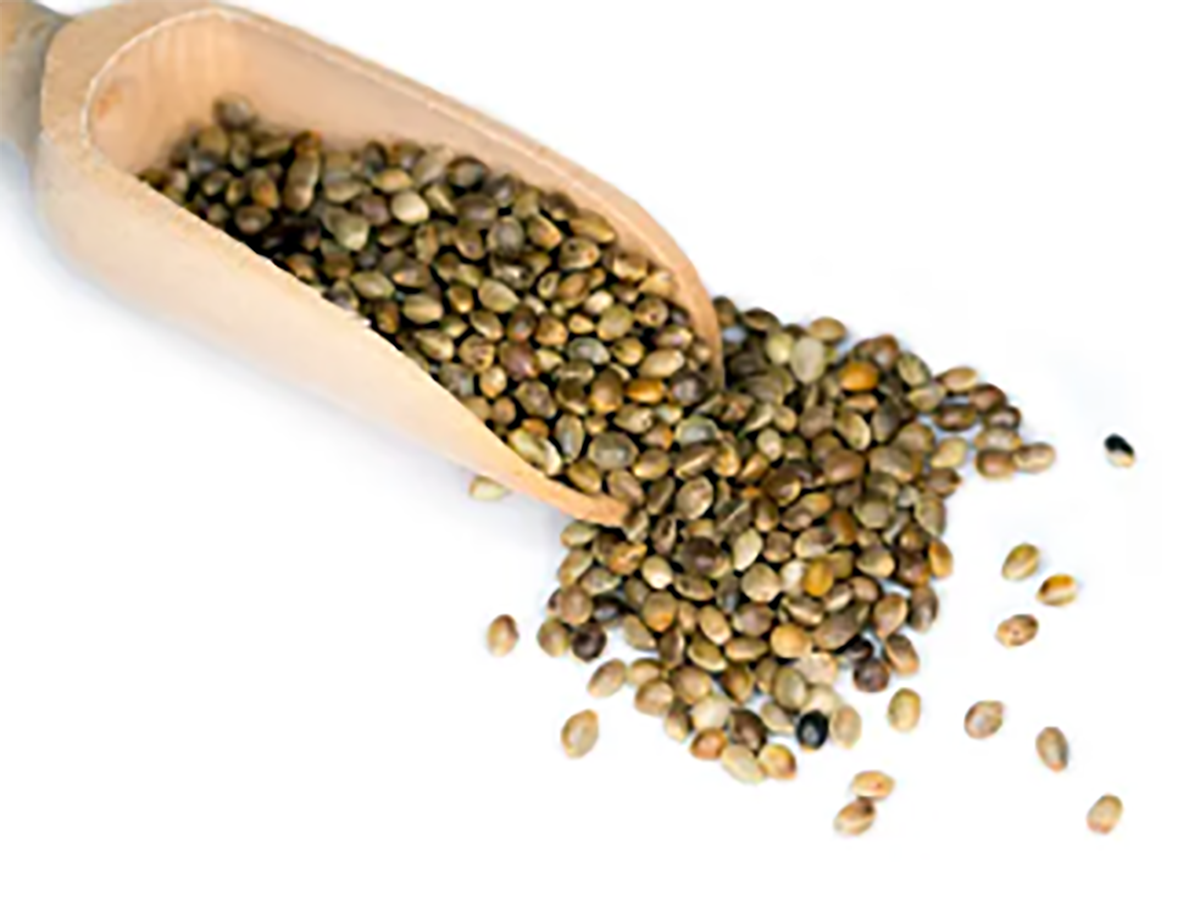 hemp seeds


