Although it's commonplace to add salt (or
sodium) to meals for seasoning purposes, many of us consume exorbitant
amounts of it each day without even realizing it. The recommended amount
of sodium intake per day for adults is 2-1.5 grams, equivalent to 6-5
grams of salt, which amounts to only one teaspoon per day, and the
recommended amount for children up to the age of 9 is up to 1.2 g of
sodium per day. It’s already known that there is a direct connection
between high blood pressure, heart attacks and brain aneurysms, and the
amount of salt intake per day, which makes the subject even more
pressing. Therefore, we must become familiar with the various foods
which contain high amounts of sodium.
1. Bread 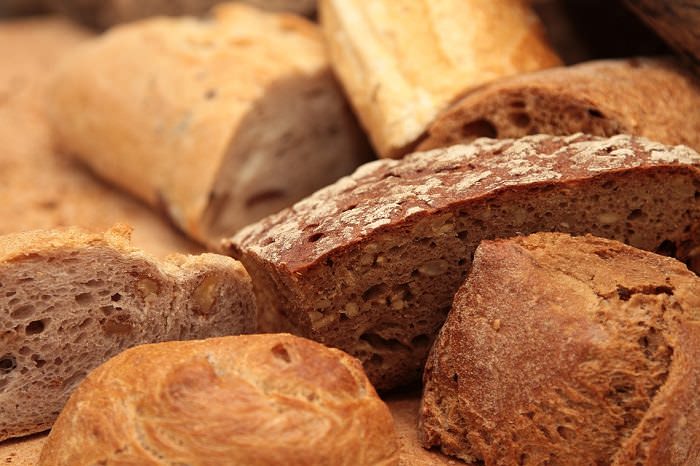
Sandwiches are a quick and wonderful solution for alleviating hunger,
anywhere any time, and we tend to feed our family quite a few different
types of bread. One slice of bread usually contains 150 mg of sodium,
and a pita or a decently sized baguette can easily contain twice that
amount: If you usually eat grilled cheese for breakfast, a small
sandwich at lunch, and a slice of bread with soup in the evening, along
with other salty foods, you’re most probably going over the recommended
daily intake of sodium. Try to cook dishes with whole grains such as
quinoa, season them with herbs and avoid adding salt, which will help
you reduce salt intake in general and bread in particular.
2. Sausages
The best way to fill a sandwich is with cold cuts such as salami or
turkey, however, these tend to contain high amounts of sodium. In three
ounces of turkey lunch meats contain 780 mg sodium, while in just one
gram of salami (about 3 slices), there is 450 mg sodium. This is why you
should avoid eating processed sausages as much as possible. Doing so
will help you significantly cut back on your salt intake.
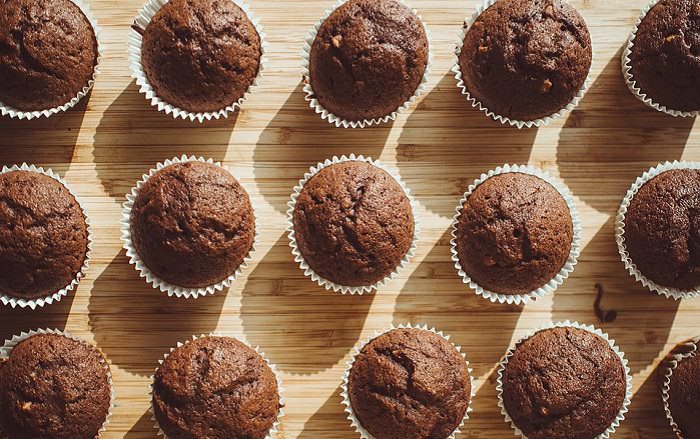
3. Muffins and other baked goods
It's very tempting to go into a bakery and buy muffins or any other
baked good, and enjoy its delicious taste, all without considering the
amount of sodium they may contain. The tempting treats contain many
calories, saturated fat, sugar, and some 570 mg of sodium, if not more.
This is close to half the recommended daily amount, so opt for baking
your own pastries.
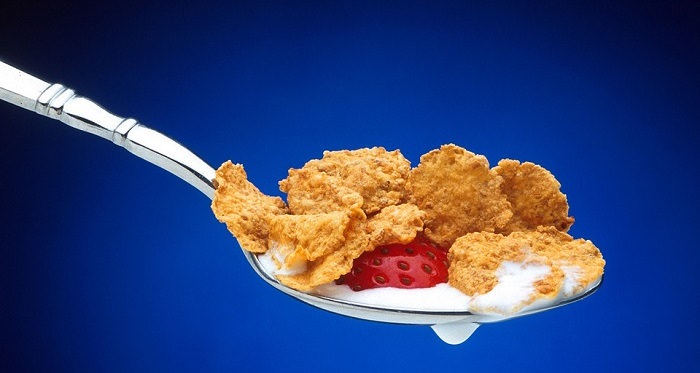
4. Cereals
A great way to start the day is with a bowl of cereal, which is
especially popular among young children and teens. Many kinds of cereal
contain less than 200 mg of sodium per serving, but there are also quite
a few that contain 300 mg per serving. You can easily avoid salt in the
morning by making healthier whole grain meals, such as oatmeal, which
has great taste and uncompromising quality.
5. Sauces
We often season our food with different sauces, whether it's salad,
hamburgers or sushi, while we don’t always pay attention to the high
salt they contain. Sauces and condiments are actually at the top of the
list of high-sodium food items. One tablespoon of barbecue sauce
contains 175 mg of sodium, while the same amount of teriyaki sauce
contains 690 mg sodium. Therefore, it is important that you choose low
sodium options of the same sauces you like or opt for making your own at
home.
6. Instant meals
Many people that don’t have time slaving over a stove to make soup or
stews from scratch often take a shortcut by pouring some hot water into a
cup-o-noodles. However, by doing so, you are compromising the quality
of the food. These high-speed meals contain high amounts of sodium,
which is linked to heart disease and high blood pressure. Therefore,
it’s important to critically examine the ingredients of those foods and
soups. It should be noted that in a regular serving of chicken flavor
cup-o-noodles, there is 1070 mg of sodium.
7. Pizza
We all love pizza - whether we eat it for lunch, dinner, or breakfast
the next day, it's simply delicious. However, it’s important to know
that pizza contains various sources of salt, including tomato sauce,
breadcrumbs and of course, cheese. It’s no wonder that pizza is a bomb
of sodium waiting to explode and threaten our health if we do not know
how to consume the right amount. In fact, only one slice of pizza
contains 650 mg of sodium, before you add olives or any other added
salt, not to mention that most of us eat more than one slice, which
means that without even trying you can easily reach half of the
recommended daily intake of sodium. Therefore, the next time you order
one, be sure to eat as little sodium as possible that day.
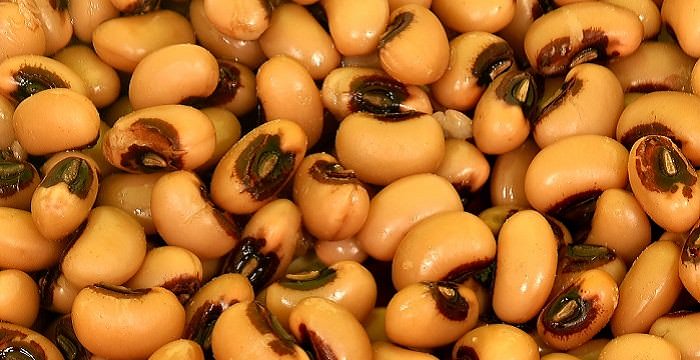
8. Canned beans
While making soup, rice or a stew, a good way to enrich the dish with
protein and fiber is by adding canned beans, because of the convenience
it offers. The problem is that the same can of beans contains a large
dose of sodium, but this can be fixed. All you have to do is rinse off
the beans, reducing the amount of sodium on them, or you can buy a can
of sodium-free or salt-free beans. However, it is always better to
purchase dry, salt-free beans and cook them on your own.
9. Cottage cheese / Paneer
Cottage cheese, whether fat-free or regular, is a great source of
protein, but when it comes to sodium, it's something to be wary of. One
cup of this cheese contains 920 mg of sodium, which is almost half of
the recommended daily intake, so you should look for cottage cheese with
no sodium or salt at all, and enrich its flavor by adding fresh or dry
herbs.
https://gscrochetdesigns.blogspot.com. one can see my crochet creations
https://kneereplacement-stickclub.blogspot.com. for info on knee replacement
https://cancersupportindia.blogspot.com for info on cancer and health related topics
https://GSiyers home remedies.blogspot.com is the latest addition to my blogs

No comments:
Post a Comment