Every year, the Environmental Working Group
releases a “Shopper’s Guide to Pesticides in Produce.” Their findings
are based on laboratory tests carried out by the USDA Pesticide Testing
Program and the Food and Drug Administration. This group determines the
average concentration of pesticides found on fruit and vegetables, and
creates a list to ensure that all consumers are better informed before
they buy:
The produce is listed in order, beginning
with those which are most contaminated. Most of us know about the
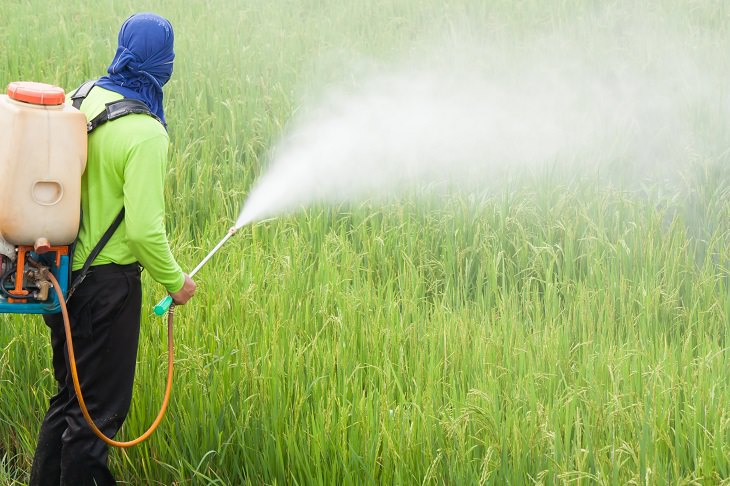
dangers of pesticides, but just to reiterate, they have been linked to
memory disorders, respiratory problems, depression, skin conditions,
birth defects, higher rates of miscarriage, neurological conditions such
as Parkinson’s and Alzheimer’s, and even cancer.
Astonishingly, a study carried out by
researchers at the Public Health Institute, the California Department of
Health Services, and the UC Berkeley School of Public Health found that
it was six times more likely that a child exposed to toxic pesticides
while in the womb would have autism.
The EWG’s “Shopper’s Guide to Pesticides in Produce” may be especially
useful to parents who are trying to incorporate more fruit and
vegetables into their child’s diet. Evidence has shown that the human
brain is not fully formed until around the age of 12, and childhood
exposure to some common pesticides may have a negative impact on the
development of the central nervous system.
Not all of us have the opportunity or the
means to buy 100% organic fruit and veg. This is why the EWG creates
their guide every year – to inform us of the fruit and vegetables that
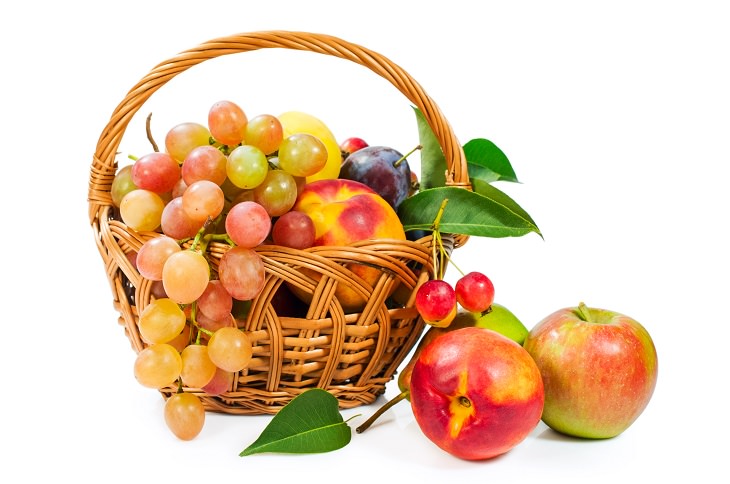
should be bought as organic. When picking up the 12 following produce
items, you definitely shouldn’t buy them unless they’re organic.
1. Strawberries
2. Apples
3. Nectarines
4. Peaches
5. Celery
6. Grapes
7. Cherries
8. Spinach
9. Tomatoes
10. Sweet bell peppers
11. Cherry tomatoes
12. Cucumbers
Luckily there’s some good news as the EWG
also have a guide for those fruit and vegetables that have very little
pesticide contamination at all. These are known as the “Clean Fifteen”
and can be seen below:
1. Avocados
2. Sweet corn
3. Pineapples
4. Cabbage
5. Frozen sweet peas
6. Onions
7. Asparagus
8. Mangoes
9. Papayas
10. Kiwi
1
1. Eggplant
12. Honeydew
13. Grapefruit
14. Cantaloupe
15. Cauliflower
Tips to remove pesticides from fruits and vegetables-
1) Vegetables can be kept in boiling water just for a minute and rinsed in running thereafter to reduce pesticide residues. (n) Steaming and cooking of vegetables eliminate most of the residues that are not removable by washing or peeling.
2) Yes, baking soda can help remove some surface pesticides from vegetables, as it works by creating an alkaline environment that helps break down certain pesticide compounds. Soaking
produce in a solution of 1-2 teaspoons of baking soda per quart of
water for 12-15 minutes is an effective method for this. After soaking, rinse the produce thoroughly under cold running water and scrub firm produce with a vegetable brush.
How to wash produce with baking soda
Create the solution: Mix 1 to 2 teaspoons of baking soda into a quart of water.
Important considerations
Soak the produce: Submerge the fruits or vegetables in the solution for 12 to 15 minutes
Scrub gently: For firmer produce, use a clean vegetable brush to gently scrub the surface
Rinse thoroughly: After soaking, rinse the produce well under cold running water.
Important considerations
Surface pesticides only:
Baking soda is most effective against surface-level pesticides. It cannot remove pesticides that have been absorbed into the produce itself.
Not a complete solution:
While
effective, baking soda may not remove all types of pesticides, and it's
not a substitute for other safety measures like choosing organic when
possible.
Combined methods are best:
Combining a baking soda soak with other methods, such as scrubbing and rinsing, provides the most comprehensive cleaning.
Washing
fruit with a baking soda solution is a mild abrasive that helps remove
surface contaminants, while a diluted vinegar solution is acidic and
effective at killing bacteria and removing pesticides. For
a combined approach, you can soak fruit in a vinegar solution first, or
use a mixture of both, which may create bubbles that dislodge dirt. Always rinse the fruit thoroughly with water after using either method.
A vinegar wash decreased pesticide residues by 40-90%.
What is the best way to disinfect vegetables?
Rinse
produce BEFORE you peel it, so dirt and bacteria aren't transferred
from the knife onto the fruit or vegetable. Gently rub produce while
holding under plain running water. There's no need to use soap or a
produce wash. Use a clean vegetable brush to scrub firm produce, such as
melons and cucumbers.
How to wash pesticides off apples?
To remove pesticides from apples, the most effective methods are soaking them in a baking soda solution for 15-20 minutes or peeling the apples. A baking soda bath helps break down and degrade pesticide compounds, making them more easily washed away. Peeling is crucial for removing pesticides that have seeped into the skin. You should always wash your apples under running water before eating them.
Why do people wash fruit in vinegar?
Key Takeaways: One study shows washing fruits and vegetables with vinegar may kill up to 98% of bacteria on the surface of your produce. Use 1 part white vinegar to 3 parts water for your vinegar bath.
Washing strawberries in vinegar and water, helps it to last long in the fridge, not only disinfects, it prevents spoilage. I think you can try with other berries too, as they tend spoil quickly, you feel your money is wasted.
https://gscrochetdesigns.blogspot.com. one can see my crochet creations

No comments:
Post a Comment