Myth 1: White bread is fattening and
doesn’t help the body - False
Many claim that consuming white bread can cause bloating, allergies, and
obesity. However, all standard white bread sold in stores contains
vitamins and minerals that the body needs and a review by the British
Nutrition Fund in 2012 found that there is no scientific evidence that
white bread causes bloating and digestive problems. A slice of white
bread provides about 7% of the recommended daily intake of protein and
sodium, about 6% of the recommended daily intake of selenium and
manganese, and about 5% of the recommended daily intake of calcium and
iron. While this vitamin and mineral content is lower than in other
types of bread, this shows that white bread isn’t just an "empty
carbohydrate" as many think. However, it should be noted that white
bread is bound by research to other health problems, and therefore it is
recommended not to consume it in high amounts regardless of its effect
on your weight in relation to other types of bread.
Myth 2: Diet sauces are much healthier than
regular sauces - False

When it comes to dairy or meat products, you can say that the less fat
they contain, the healthier they are, but that's not the case with
sauces. If you’re trying to lose weight, changing your favorite sauce to
a diet or fat-free sauce will save you about 100 calories (per 2
tablespoons), but recent research shows that without the fat content in
your salad dressing and without certain fatty acids it contains, It
would be difficult to absorb all the nutrients in food. In this case,
the dosage is what’s important; 2 tablespoons of sauce for each serving
of salad will provide you with that wonderful taste and will enrich your
body with the vitamins and minerals it needs.
Myth 3: Potatoes cause obesity and are bad
for diets - False
Contrary to what many think, eating potatoes doesn’t directly contribute
to obesity as long as you don’t eat them deep-fried, with butter, sour
cream or cheese. Furthermore, nutritionally, boiled potatoes are great
diet food because they contain a great deal of fiber and vitamins, and
in fact, boiled potatoes actually provide the most energy to the body.
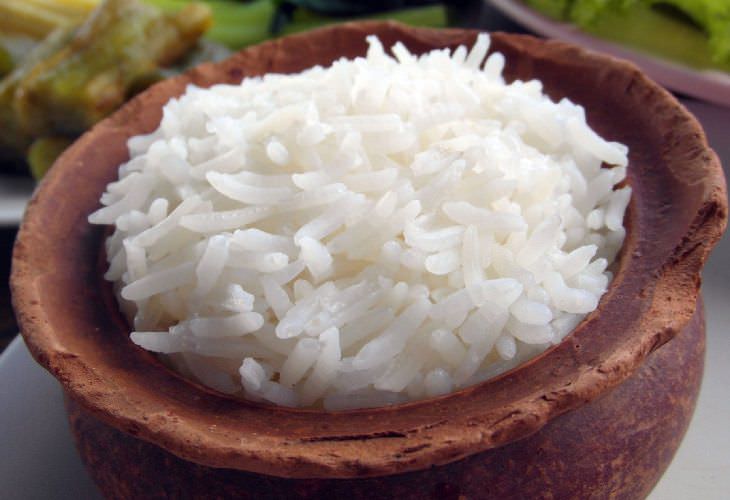
Myth 4: White rice causes obesity - False
White rice, considered a complex carbohydrate, is a very central food
component for a significant part of the world's population. Studies have
found that children who consumed rice as a major part of their daily
diet consumed less fat and saturated fat than children who consumed rice
less frequently. In addition, the findings show that children who ate
rice achieved better blood test results than children who did not
consume rice at all. This is because, like white bread, the process of
making rice does cause it to lose many vitamins and minerals, but it
still provides us with a significant amount of nutrients. The bottom
line is that the findings refute the myth and point out that the
opposite is true, that white rice does, in fact, contribute to weight
loss and dieting.
Myth 5: Cooking with olive oil causes it to
lose its health benefits - False
This is absolutely false, as high-quality olive oil can tolerate heat
without losing its health benefits, so long as it doesn’t warm up to the
point where it burns and smokes (between 190 °C and 242 °C). Similarly,
extra virgin olive oil can absorb heat without losing its nutritional
value (its smoke point is 190 °C). A monounsaturated fatty acid, like
the oleic acid found in olive oil, does not evaporate in heat, and the
olive varieties from which oil is made can resist cooking processes that
include heat. The more important thing is how you store the oil because
heat, light, and air negatively affect it. Therefore, it should be
stored at room temperature in a cabinet and used for half a year from
opening.
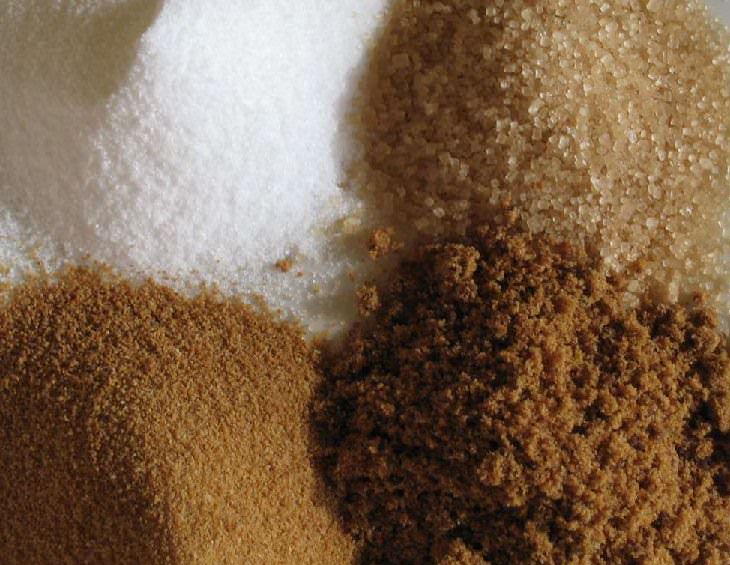
Myth 6: Brown sugar is healthier than white sugar - False
Brown sugar and white sugar contain approximately the same number of
calories (373 calories per 100 grams of brown sugar compared with 396
calories in white sugar). Although honey and brown sugar contain more
minerals and nutrients than white sugar, the difference in the amount of
these substances is negligible and doesn’t change anything in terms of
the recommended daily intake of vitamins and minerals.
Myth 7: Fresh vegetables and fruits are
better and healthier than frozen vegetables and fruit - False
Many believe that frozen or canned fruits and vegetables are much less
nutritious than fresh fruits and vegetables, but in fact, this a myth.
In reality, the fresh foods, which travel long distances from when
they’re picked to when they’re placed on our shelves, lose their
nutritional values and enzymes which are released during shipping and
storage. In a study at the University of Illinois, frozen beans, for
example, contained 2 times more vitamin C than fresh beans. That is
because fruits and vegetables that are intended for preservation are
frozen immediately after they are picked, thus better retaining their
vitamin and mineral content.
Myth 8: It’s best to avoid desserts and cakes when dieting - False
Many diets prohibit and limit us from eating cakes, cookies and various
desserts that contain carbohydrates. However, the results of a study
conducted at Tel Aviv University indicate that consumption of
carbohydrate desserts such as chocolate cake in the morning can help you
lose weight and maintain it.
Myth 9: Margarine is healthier and less
fattening than butter - Partly true
Butter and margarine contain almost the same number of calories, but
unlike butter, margarine is made from vegetable oil and was created as a
substitute free of cholesterol and saturated fat. Despite the good
intentions that were behind the development of margarine, today we
already know that it isn’t healthy at all; It contains trans-fat known
for its negative effects on the heart and whole body, which means that
this myth is difficult to refute or confirm completely because it is
still less fattening than butter. The best choice is to give up both and
use healthy oils such as olive or canola oil or just simply reduce
their use. If you have no choice but to use margarine, you should choose
a soft margarine without trans-fat.
Myth 10: It’s better to eat whole tomatoes than ketchup - False
In recent years, scientists have discovered that cooking increases the
quantity and quality of essential components of the body in some of the
fruits and vegetables we eat on a regular basis. One of the most
prominent examples is ketchup, which after its preparation contains more
lycopene (carotenoids and powerful antioxidants) than fresh tomatoes.
Unlike other substances, such as vitamin C or vitamin B which lower in
quantity when heated above a certain temperature, cooking actually
increases the strength of lycopene, making it a more nutritious and more
effective in protecting the body from various diseases. Another example
can be seen in carrots; Studies have also shown that the amount of
falcarinol, an anti-cancerous substance found in carrots, increases when
cooked.
Myth 11: It is recommended to remove the
skin off of chicken before eating it because it is fattening and not
healthy at all - False
Many people say that one of the greatest pleasures of eating roasted
chicken is eating the skin, but many avoid the pleasure because they are
sure it is fattening and harmful to our health. If you think this, you
should know that 300 grams of chicken breast with skin contains about
2.5 grams of saturated fat, compared to about 2.4 of chicken breast
without skin, and only about 50 calories more. In addition, according to
Amy Myrdell Miller, a director at the Culinary Institute at Greenstone,
more than half of the fat in the skin is healthy for the heart and
blood vessels. So, the next time you eat chicken, you may want to think
twice before you rush to remove the skin.
https://gscrochetdesigns.blogspot.com. one can see my crochet creations
https://kneereplacement-stickclub.blogspot.com. for info on knee replacement
https://cancersupportindia.blogspot.com for info on cancer and health related topics
https://GSiyers home remedies.blogspot.com is the latest addition to my blogs

No comments:
Post a Comment