Are you struggling to lose weight despite
eating nutritious foods in appropriate quantities? It's time to take a
closer look at your kitchen arrangement. Research has shown that the way
you organize your kitchen can have a significant impact on your dietary
habits. Stocking your kitchen with nutritious foods is not enough; you
need to strategically place them to minimize the visibility of unhealthy
foods. To support your weight-loss goals, nutrition experts recommend
specific methods for reorganizing your cooking environment. The best
part? They’re all super easy to implement! Let's check them out!
1. Place healthy pantry picks front and center
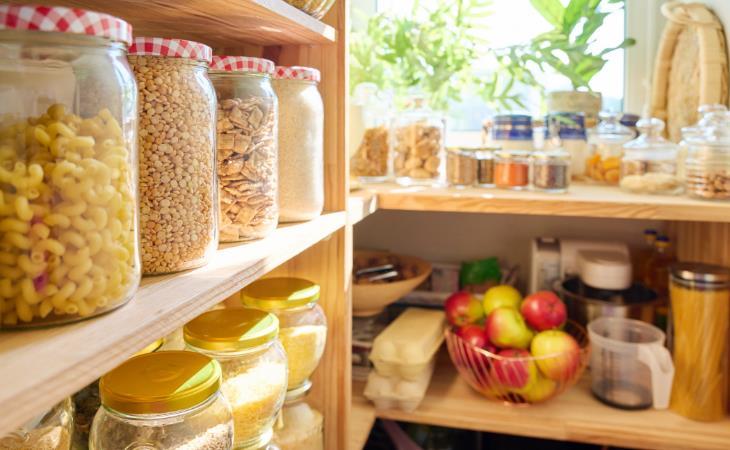
Many people instinctively keep packaged,
processed snacks like chips and cookies on easily accessible, eye-level
shelves in their cupboards. Unfortunately, these readily available
snacks are high in fat, salt, and sugar, but low in essential nutrients
such as fiber and protein.
To prevent this, consider relocating these less nutritious options to
the top and bottom shelves while displaying healthier alternatives like
nuts and whole-grain crackers at eye level. By rearranging your cupboard
in this manner, you can reduce the temptation to snack on unhealthy
snacks while encouraging healthier eating habits.
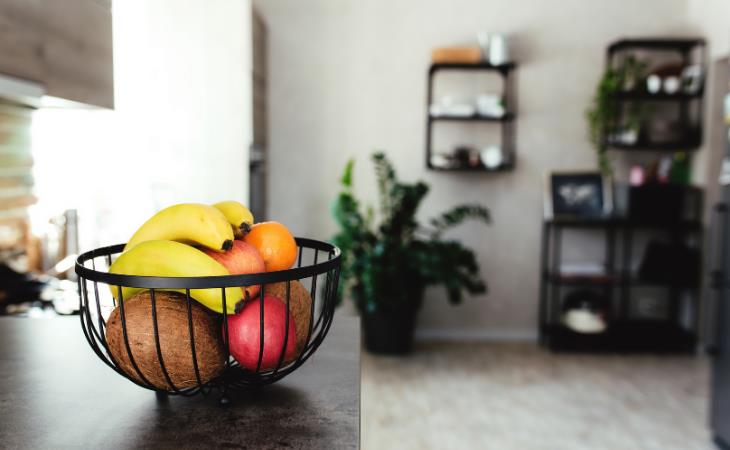
2. Keep your fruit bowl stocked and place it on the counter
Arrange apples, pears, oranges, and bananas
on your countertop. According to research published in Health Education
and Behavior, those who display fruit on their countertops have a lower
BMI—a measure of body fat—than those who do not. When fruit is readily
visible, you're more likely to grab a nutritious snack when hunger
strikes.
3. Package healthy snacks in pre-portioned sizes
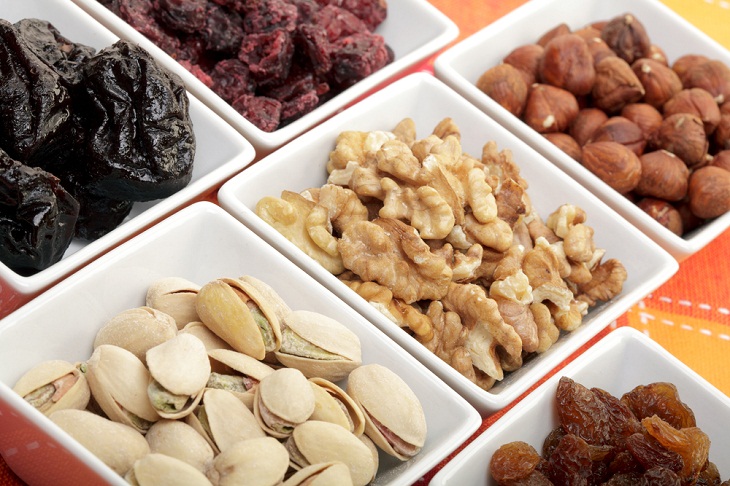
Pre-portion healthy packaged options like
nuts, dried fruit, or air-popped popcorn to make your snacking routine
more efficient. According to experts, strategically placing these items
within easy reach encourages healthier choices. Dividing snacks into
individual servings when purchased reduces mindless munching because
single-serve boxes are less tempting to consume than larger containers.
This method also encourages portion control, making it more difficult to
overeat when snack cravings strike.
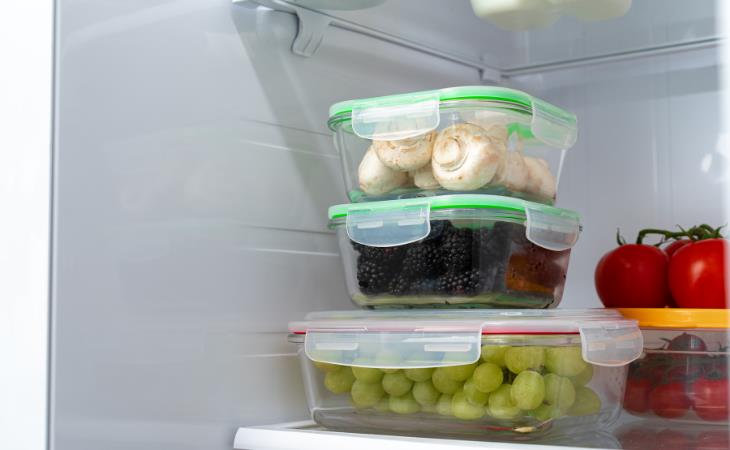
4. Choose the appropriate containers
Maintaining a healthy fridge isn't always
easy, but strategic storage can help. Choose clear containers for
nutritious items while leaving less-healthy options, such as leftover
pizza, in opaque containers or tin foil. Research suggests that keeping
tempting foods out of sight can lead to consuming less. For instance, a
study by Cornell University revealed that workers consumed two fewer
chocolates daily when stored in an opaque bowl compared to a clear one.
5. Use smaller plates and utensils
Research suggests that using smaller
utensils, such as teaspoons and salad forks, may help reduce calories. A
study found that people who used teaspoons ate 8% less food than those
who used larger spoons. Health professionals recommend keeping smaller
utensils within reach to encourage a slower, more attentive eating pace.
Eating too fast hinders the brain's ability to recognize satiety, which
leads to overeating. Similarly, using smaller plates helps with portion
control, increasing the impression of meal fullness despite identical
quantities.
6. Reevaluate portion sizes
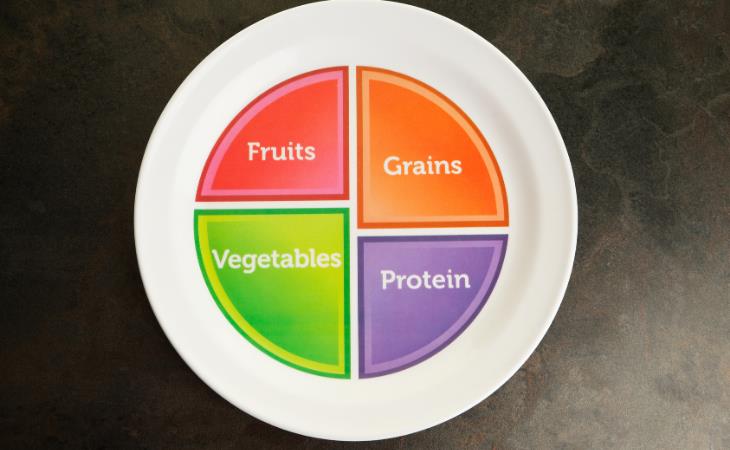
Many people find that portion control is
important to achieving their weight-loss goals. However, implementing it
can be difficult, especially during hectic schedules. Dietitians say
that using measuring cups can be burdensome. Instead, choose dishes,
bowls, and cups with clearly indicated serving sizes. This change can
provide telling information about excessive consumption, even of
nutritious foods such as sweet potato puree, which can unwittingly
contribute to weight gain. For example, wine glasses with etched marks
offer a convenient way to avoid over-pouring.
7. Get an oil mister
For sautéing vegetables, frying eggs, and making salad dressings,
dietitians recommend using an oil mister instead of directly pouring oil
from the bottle. With one tablespoon of oil equating to 120 calories,
this switch proves particularly beneficial for those aiming to trim down
on fat consumption. Choosing a self-filling mister also improves health
as compared to pre-packaged oil sprays, which can contain additional
substances such as nonstick agents and preservatives. Please follow the
directions on your mister to determine the spray-to-teaspoon or
tablespoon ratio, as these ratios will vary depending on the product.
8. Keep an emergency stash
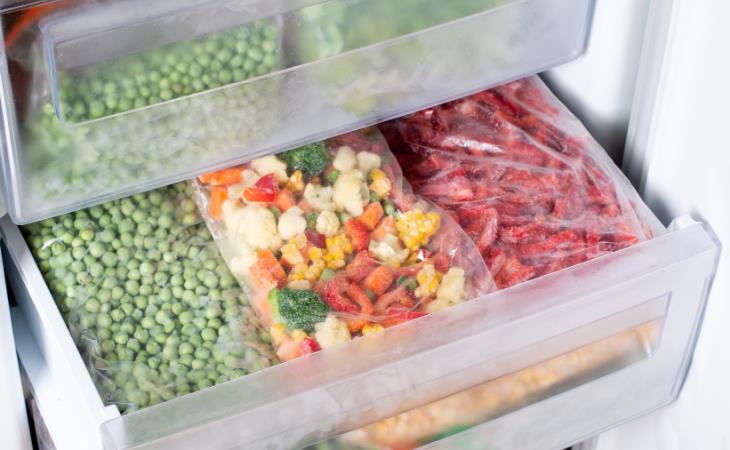
While fresh produce and proteins are
essential staples, having a backup plan is also necessary. Whether
you're delayed on your grocery trip or returning from vacation, tapping
into your emergency stash will ensure a nutritious meal. Keep frozen
fruits and veggies in the freezer, and stock your pantry with brown
rice, quinoa, canned beans, nuts, and seeds for such occasions.
9. Keep all food items strictly in the kitchen area
Avoid dispersing food throughout your home!
Say goodbye to the candy dish in the family room and the cookie jar in
your bedroom. According to research published in the International
Journal of Obesity, obese people are more likely to store food outside
the kitchen.
https://gscrochetdesigns.blogspot.com. one can see my crochet creations
https://kneereplacement-stickclub.blogspot.com. for info on knee replacement
https://cancersupportindia.blogspot.com for info on cancer and health related topics
https://GSiyers home remedies.blogspot.com is the latest addition to my blogs

No comments:
Post a Comment