Our consumer culture often pushes us towards convenience, but this convenience comes at a cost. We accumulate items that promise to simplify our lives but often end up cluttering our homes and draining our bank accounts. With inflation squeezing budgets everywhere, it’s a good time to rethink these purchases. Here’s a look at 14 items that aren’t worth the money—and how ditching them can help you save in the long run.
1. Bottled smoothies and juices
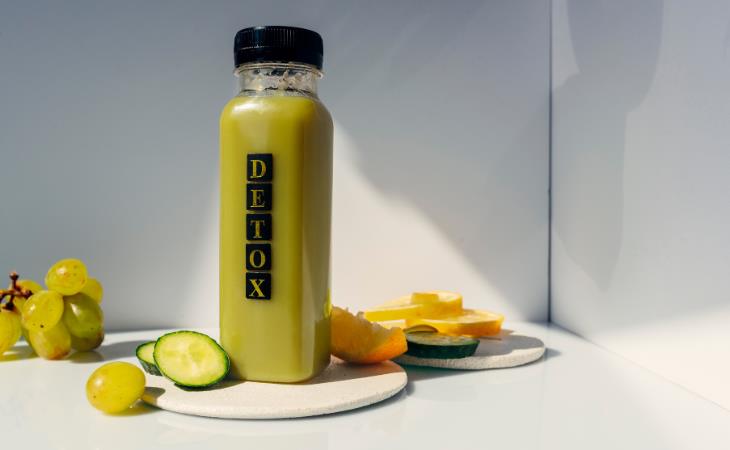
While bottled smoothies and juices seem
like a healthy option, they’re often loaded with added sugars and
preservatives. This means you’re not only paying for the convenience but
also for ingredients that aren’t as fresh or nutritious as they could
be. Making smoothies at home allows for better control over ingredients
and keeps costs down.
2. Disposable food storage bags
Disposable plastic bags may be handy, but
they’re also expensive over time and terrible for the environment.
Instead, you can invest in reusable silicone or glass containers. These
options are more durable and eco-friendly, and they’ll save you money in
the long run by reducing the need for single-use bags.
3. Extended warranties
Extended warranties promise peace of mind
but often come with fine print that limits their usefulness. Most
products already come with a manufacturer’s warranty, and items rarely
break within the extended warranty period. In many cases, it’s smarter
to put the money aside for repairs or replacements instead.
4. Fast fashion clothing
Fast fashion may seem like a cheap way to
stay trendy, but low prices often mean low quality. These items wear out
quickly, leading to more frequent replacements. On top of that, fast
fashion often has ethical concerns regarding labor practices. Investing
in well-made, timeless clothing can save you money and closet space over
time.
5. Name-brand spices
While cooking with spices can elevate a
meal, paying extra for brand-name versions doesn’t add much value.
Buying spices in bulk or from local markets provides the same quality at
a fraction of the cost. You’ll get fresh, flavorful spices without the
added markup for a recognizable label.
6. Paper plates
Paper plates might reduce clean-up time,
but they create waste and ongoing costs. Investing in reusable, durable
plates for everyday use or parties will save money over time and reduce
household waste. Melamine or stainless steel options work well for
casual gatherings and can go in the dishwasher.
7. Disposable plastic water bottles

Single-use plastic water bottles are a big
expense and an environmental nightmare. Instead, a reusable water bottle
can be refilled over and over, saving money and keeping plastic out of
landfills. Many cities also offer public water refill stations, making
it easier than ever to stay hydrated without waste.
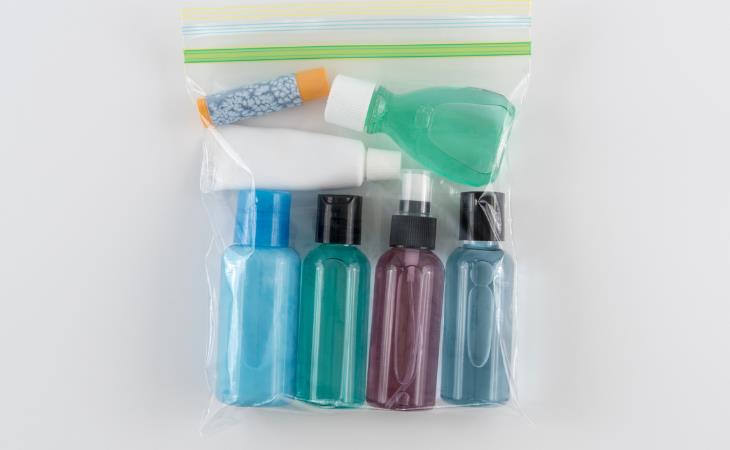
8. Travel-sized toiletries
8. Travel-sized toiletries
Travel-sized toiletries come in handy when
we are on a trip, but come with a high price tag per ounce and
unnecessary plastic waste. Refillable travel containers allow you to
bring your favorite products from home without repeatedly paying for
mini-sized versions. It’s a small change you can make by planning a few
days ahead of your trips that can add up to big savings over time.
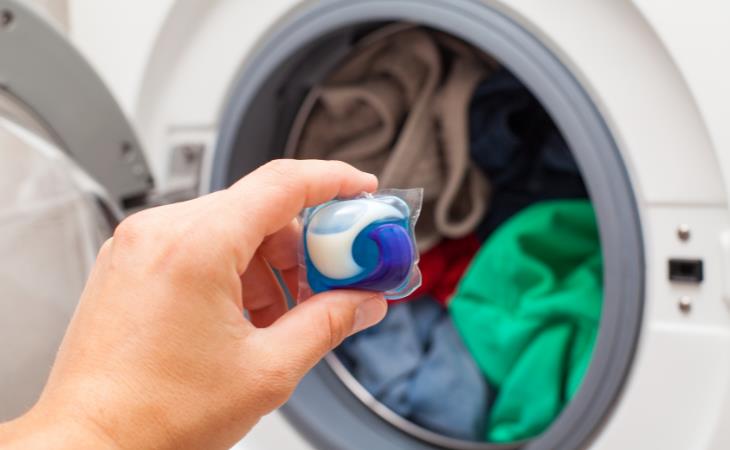
9. Laundry pods
Laundry pods can be an easy way to do
laundry, but they’re expensive compared to traditional liquid or powder
detergent. Some studies have even shown that pods can leave stains on
clothing. Stick to a high-quality, traditional detergent for a more
economical and effective wash.
10. Disinfecting wipes
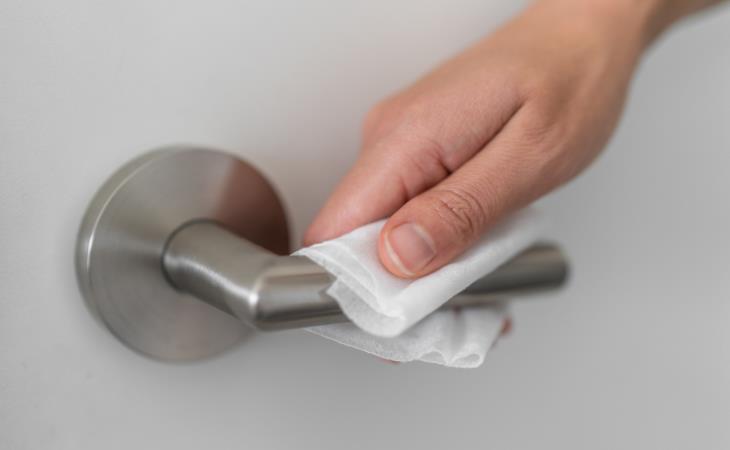
Disinfecting wipes gained popularity during
the pandemic but aren’t necessarily the most effective or economical
way to clean. A reusable cloth and a spray bottle of disinfectant do the
job just as well without the recurring cost or waste. This alternative
works just as effectively and can help reduce plastic waste.
11. Lint rollers
Lint rollers are a quick fix for removing
pet hair and other small particles from a variety of surfaces, but
they’re wasteful, especially if you’re constantly buying refills. A
rubber glove or microfiber brush can remove lint and hair just as well,
without the recurring expense. Do this once every week and you will also
give yourself a nice little workout at home. This simple swap cuts down
on waste and costs in the long run.
12. Oven cleaners
Commercial oven cleaners can be harsh on
your appliances and your lungs. These cleaners often contain chemicals
that can linger and may damage the oven’s interior over time. A DIY mix
of baking soda and water works as a safer, effective alternative. Leave
it on overnight, and clean-up becomes a breeze.
13. Pre-cut fruits and vegetables
While the convenience of pre-cut produce is
undeniable, it comes at a premium price. This convenience often leads
to more food waste, as pre-cut produce has a shorter shelf life and
spoils faster. Additionally, the increased surface area exposed to air
accelerates oxidation, which reduces nutrient content. Cutting your own
fruits and vegetables is a simple task that saves you money, reduces
waste, and ensures maximum freshness and nutritional value. Consider
investing in a good set of knives and a few storage containers to keep
your freshly cut produce organized and ready to use.
14. Air fresheners
Commercial air fresheners often mask odors
with synthetic fragrances that can contain volatile organic compounds
(VOCs). These VOCs can contribute to indoor air pollution and trigger
allergies or respiratory issues. Furthermore, the constant need to
replace air freshener refills adds up over time. A healthier and more
economical approach to freshening your home involves natural methods.
Open windows for ventilation, simmer spices like cinnamon or cloves on
the stove, use essential oil diffusers, or simply place bowls of baking
soda around the house to absorb odors. These methods are not only
gentler on your respiratory system and the environment but also save you
money on refills.
https://gscrochetdesigns.blogspot.com. one can see my crochet creations

No comments:
Post a Comment