Cooking on a stove-top is nothing like
baking or grilling, it has its own rather complicated set of rules that
depends on a variety of different factors, no wonder why many people
only use it to make eggs, rice or macaroni. But the truth is that your
stove-top has so much potential: with some guidance and practice, you can
use it to make excellent steaks, stews, sauces, and incredible braised
veggie dishes, and we barely scratched the surface with these examples.
We believe that most people are wary of
stove-top cooking because they make some common mistakes, and by solving
those, we hope to inspire more people to use their stove-tops more and
feel more creative and confident as they do so.
Mistake 1. Not taking your stove into account
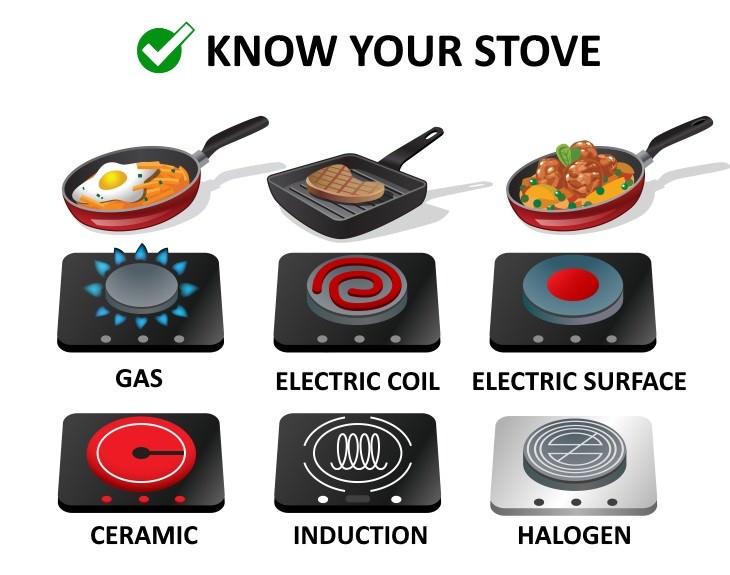 Different types of stoves heat up and
change temperatures with different speeds, and not taking this into
account can affect your results. For example, electric stoves change
temperatures way slower than, let’s say, a gas stove, so switching
quickly from searing to simmering using an electric stove can prove to
be challenging, but still possible.
Different types of stoves heat up and
change temperatures with different speeds, and not taking this into
account can affect your results. For example, electric stoves change
temperatures way slower than, let’s say, a gas stove, so switching
quickly from searing to simmering using an electric stove can prove to
be challenging, but still possible.
To solve this, simply turn on a second burner on low and when you need
to lower the heat, transfer your pot or pan to the second burner. The
bottom line is that your stove matters just as much as the ingredients
or cookware you’re using, so always keep that in mind when trying out a
new dish.
Mistake 2. Overcrowding the pan
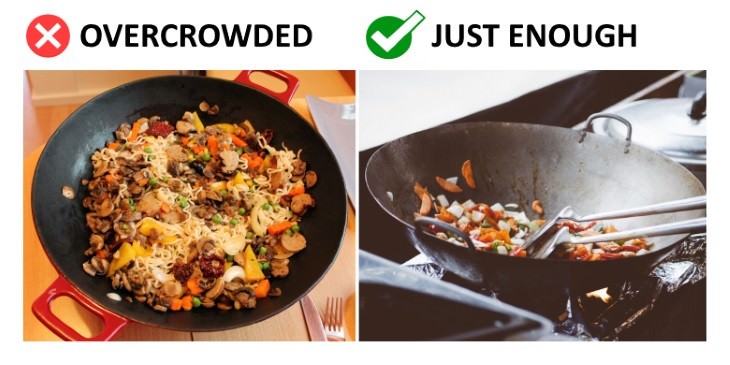
When you have to cook a large family
dinner, you might be tempted to cook a bigger batch in the same size pan
you usually use, but this is a serious mistake. If you do so, your food
will cook unevenly, with the part that ended up on the top being at
risk of hardly being cooked at all.
Also, forget about a crispy or caramelized crust, as the abundance of
food will not allow you to sear the food properly. To avoid this
mistake, you will either have to cook in 2 batches or use 2 pans to
prepare your food. How much food is too much, you ask? Simply make sure
every ingredient in the pan gets plenty of heat at all times.
Mistake 3. Cooking on the wrong burner
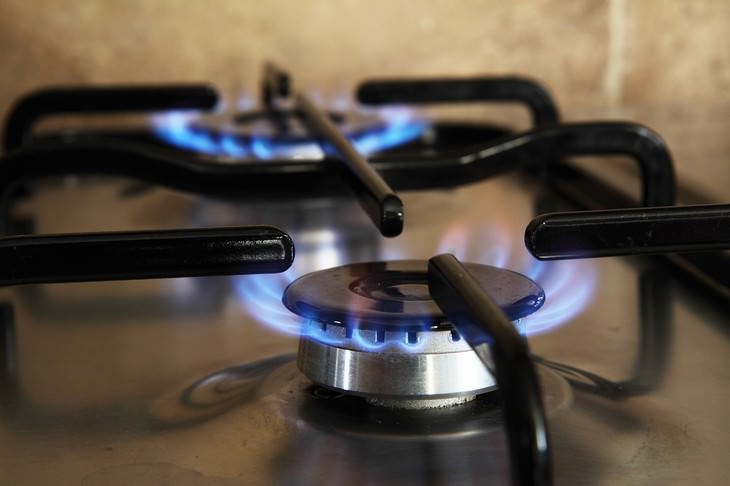
Many people don’t know this, but gas
burners come in different sizes because each size corresponds to the
size of the pan or pot. This is because gas burners usually cannot heat
up a pan as evenly as an electric burner and if you’re trying to sear a
steak on the smallest or the mid-sized one, it won't heat up your pan
enough.
On the other hand, sauteing a sauce may
prove difficult if you’re using the largest burner. That’s why you
should always use the larger burners for stock pots and frying pans, but
use the smallest or medium-sized ones for sauces.
Mistake 4. Consider your range hood

It’s key to turn on your range hood while
cooking, as it sucks up all the smells, oils, and steam from your
stovetop, which allows your dishes to taste much better and have a nicer
texture. However, with time, it can accumulate a lot of solidified
oils, dust and other gunk in it, and if not cleaned regularly, it can
actually make your dishes smell bad.
Clean your range hood regularly with detergent and a damp cloth to
prevent this problem.
Mistake 5. Not drying off the ingredients before cooking
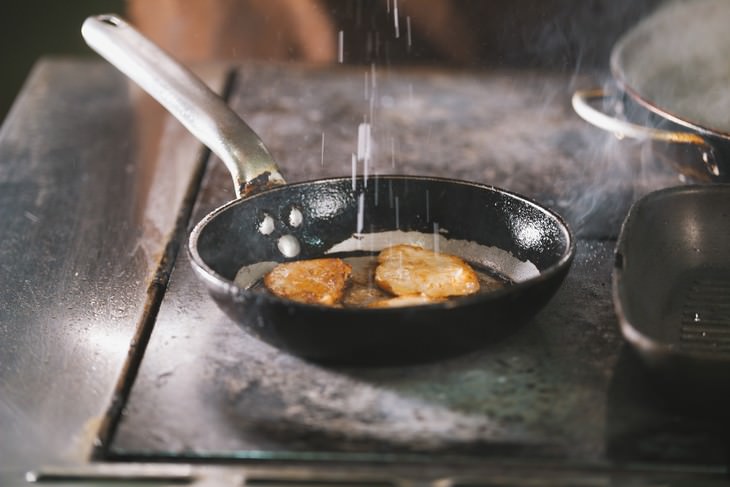
Water and hot oil don’t mix well together
and the resulting splatter may even cause skin burns, so always dry off
your ingredients before cooking them. I personally even pat-dry the
extra moisture off a steak with a paper towel before grilling or searing
it, which, I find, creates a crispier and tastier exterior (apart from
not injuring me).
Mistake 6. Stirring or flipping too early and too often
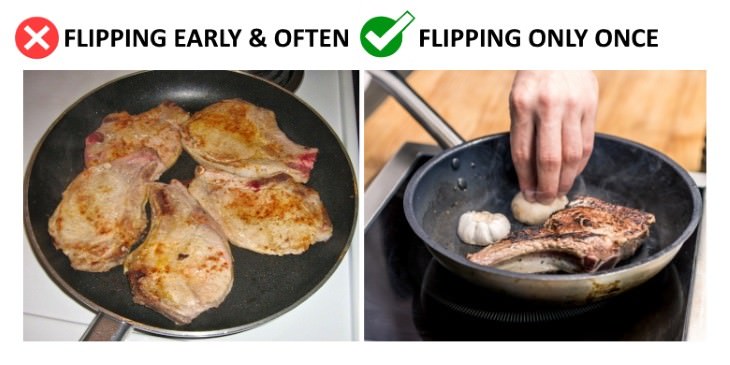
One of the most intimidating foods to cook
on a stove is meat or fish, as it’s so easy to make it too tough or
stringy without having that crispy crust of your dreams. One of the main
mistakes that will definitely yield these honestly underwhelming
results is flipping, stirring or moving around the meat too often. When
cooking a steak, for example, you should ideally only turn it once and
don’t move it until it’s crisped up.
To know if your meat or fish steak is ready, gently lift one side of the
steak and see if it has a golden exterior and doesn’t stick to the pan.
If so, it’s ready to be flipped. If you’re preparing chicken strips or
even seared mushrooms or veggies, follow the same rule, don’t move your
food around the pan until it gets a nice golden brown crust, otherwise,
it will stick to the pan.
Mistake 7. Putting cold or frozen foods into the pan
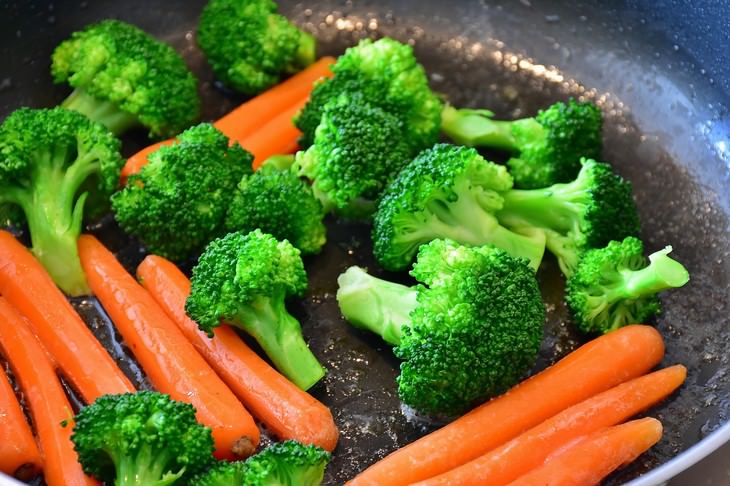
Another common stove-top cooking mistake is
taking the ingredients straight out of the fridge and placing it on to
the heat. This is the wrong thing to do because the cold meat, veggies
or whatnot will lower the temperature of the pan, and that means that
your food will be more likely to stick to the pan and cook unevenly.
To avoid this mistake, simply take your ingredients out of the fridge
ahead of time and let them reach room temperature.
Mistake 8. Using the wrong kind of oil or fat
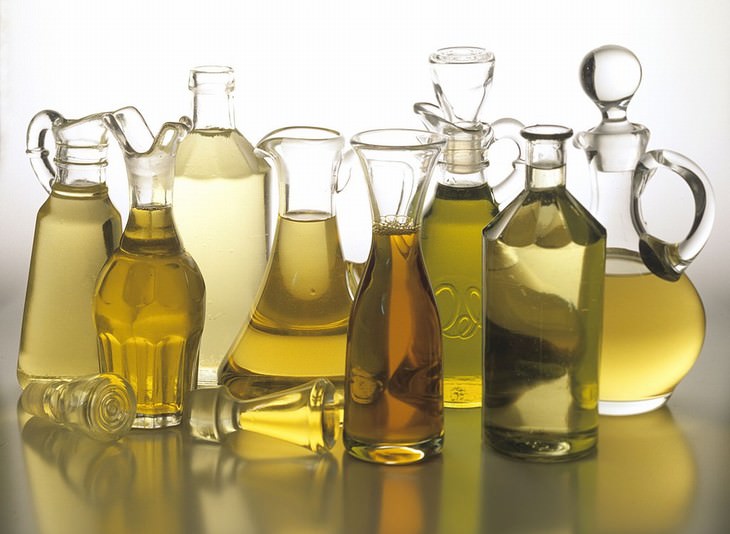
Olive oil is exquisite in salads, but it
may not be your best friend when you need to cook something over a high
heat, as it has a relatively lower boiling point than other oils, which
means that it will start burning rather fast, plus it has quite a
pronounced taste that you may not always want in your dish.
Try using neutral oils, such as grape-seed or rice bran oil when you need
high heat (when making a stir fry or searing something). You won’t be
able to taste these oils and they will make it easier for you to
caramelize or crisp things up. Finally, don’t forget that you can
combine different oils, too. For example, mixing olive oil and butter
yields a very interesting taste and works oh so well with seafood.
Mistake 9. Not setting the food aside after cooking
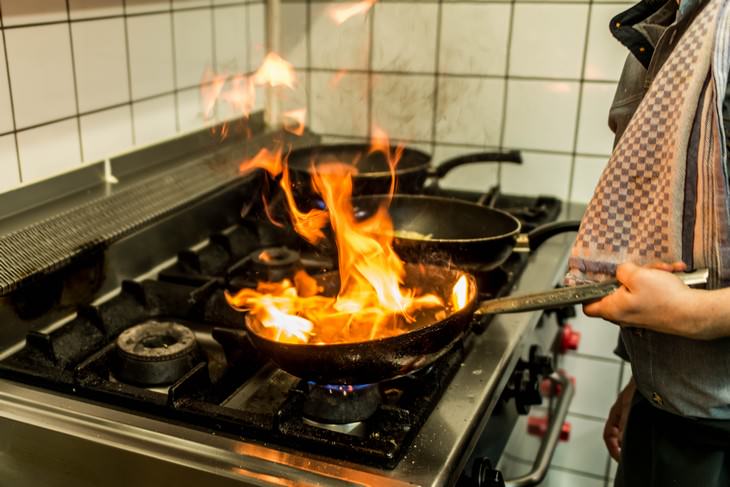
When you see that your dish is ready, don’t
simply turn off the burner and walk away from the stove. This is
because the burner will continue being hot for a while, and it will
continue cooking your food during that time, whether you want it or not.
So, instead, it’s best to remove the pan from the stovetop completely
or transfer it to a cold burner.
Also, it’s a useful habit to always keep your pan in one hand and
control the amount of heat your food gets by lifting the pan from time
to time, just like most chefs do. This will prevent your food from
burning once and for all, but admittedly, it does take a bit more
attention and time on your part.
Mistake 10. Using the wrong pan for a specific dish
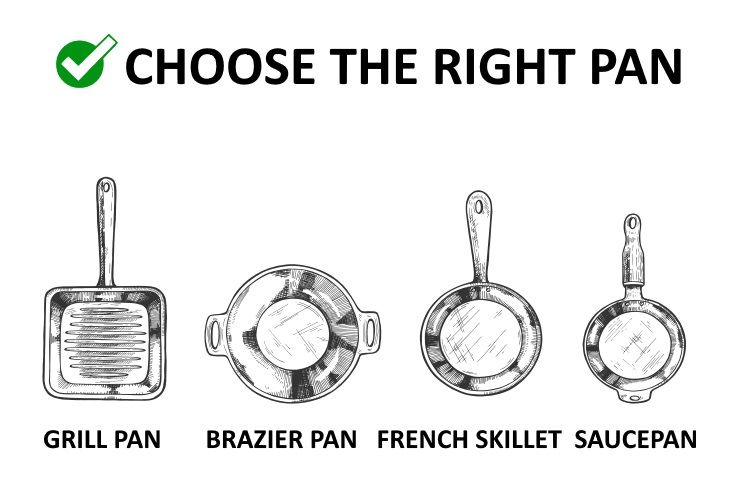
Using one pan for all applications may save
you some money and kitchen space, but it may also affect your food. The
thing is that different pans are specifically designed to do a
different job. Just like you wouldn’t want to jog in a pair of
high-heeled shoes, you wouldn’t want to make pancakes in a wok.
It’s true that some frying pans are more universal than others and you
can probably make pretty much everything in a cast iron skillet, it’s
not a good idea to use a nonstick pan for everything, as these pans are
best suited for fluffy pancakes or soft scrambled eggs.
Similarly, stainless steel pans are best for getting that crispy crust
and searing meat, fish, mushrooms, potatoes, and other vegetables.
That’s why it’s best to have a few different kinds of pans in the
kitchen and use them accordingly to the results you want to achieve.

No comments:
Post a Comment