Sorghum is called jowar in Hindi, cholam in Tamil, Jonnalu in Telugu, and Jwari in Marathi.
Sorghum is a nutrient-rich grain, high in essential vitamins and minerals, fiber, antioxidants, and protein. It can be easily added to your diet.
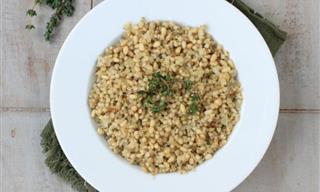
You can cook this grain like quinoa or rice, mill it into flour, or pop it like popcorn. It’s also converted into a syrup that’s used to sweeten many processed foods.
Sorghum is also a good source of the following micronutrients:
- vitamin B1 (thiamin)
- vitamin B6
- copper
- iron
- magnesium
- phosphorus
- potassium
- selenium
- zinc
Sorghum is rich in a variety of nutrients, including B vitamins, which play an essential role in metabolism, nerve cell development, and healthy hair and skin.
It’s also a rich source of magnesium, a mineral that’s important for bone formation, heart health, and over 600 biochemical reactions in your body, such as energy production and protein metabolism .
In addition, sorghum is high in antioxidants like flavonoids, phenolic acids, and tannins. Eating a diet rich in these antioxidants can lower oxidative stress and inflammation in your body.
What’s more, half a cup of sorghum provides more than 7 grams of fiber, which is about 25% of the recommended daily fiber intake . A diet rich in fiber helps to manage weight, lower cholesterol, stabilize blood sugar levels, and prevent constipation.
Finally, this grain is a great source of plant based protein. In fact, it provides as much protein as quinoa, a cereal grain renowned for its high protein content.
T