A good stove-top is an essential part of any kitchen. They are easy to handle, easy to clean, and come in gas, electric, or induction versions. However, like any other appliance in your home, a stovetop, too, is at risk of being damaged if not taken care of properly. In fact, a few little but obvious mistakes from your side might be harming your stove-top and shortening its life. To ensure the longevity of this important kitchen appliance, you must avoid making the following mistakes. Take a look.
1. Stepping away from the kitchen while cooking something on the stove-top
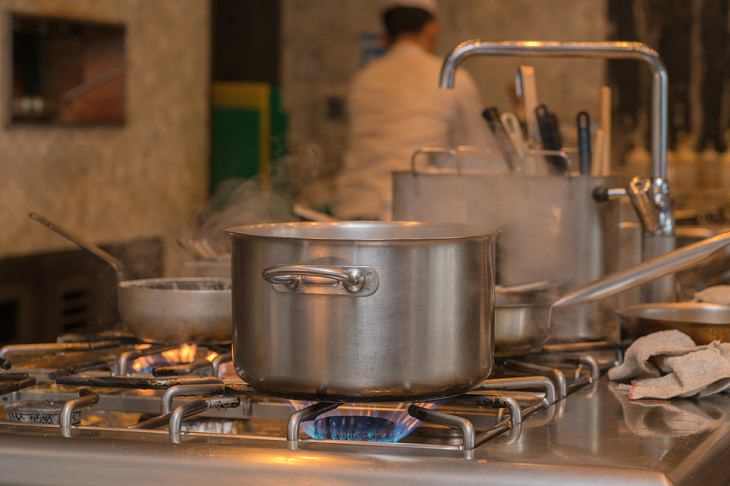
This is a common mistake that we all tend
to make. While boiling water or letting something simmer or stew, we
leave the kitchen. We think we have a couple of minutes at hand and
decide to take a short break. But think back and remember how many times
being careless resulted in boil-over or splashes on your stove-top. It
can be extremely annoying.
These little accidents are pretty frequent and lead to debris or spills
that can be really difficult to clean later on. If ignored, these little
spots can eventually damage your stove-top. Thus, it would be better to
keep your eyes on the stove-top at all times whilst you are cooking and
ensure that you clean up any spills immediately.
2. Forgetting to clean a clogged up burner
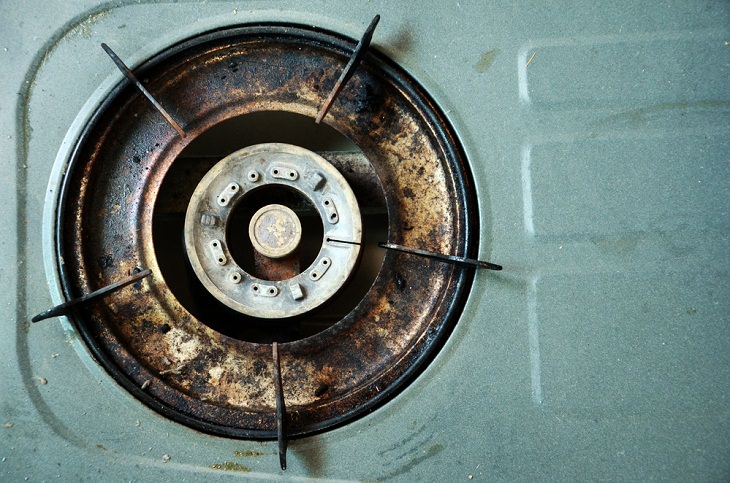
Clogged burners are a common issue that is
often ignored. A clogged gas stove burner can result in uneven heat or
no heat at all. The point is, merely scrubbing spills off the grate
won’t be enough. A gas burner is made up of dozens of little holes or
nozzles that can slowly fill with food particles and old grease and if
not cleaned regularly they may function irregularly. If the clogs are
never cleaned, the opening from where the gas comes out is likely to
shorten as well. Over time, a clogged gas burner can corrode and
eventually harm the life of your stove-top.
Therefore, it is vital that you clean your gas burner from time to time
to ensure its longevity and keep your stove-top safe. The best way to
clean your stove’s burners is to first soak their heads and caps in soap
and warm water for 30 minutes. Then scrub them gently with a
non-abrasive scrub pad or an old toothbrush. A clogged burner’s openings
should be carefully cleaned with a paper clip.
3. Using too much water while cleaning
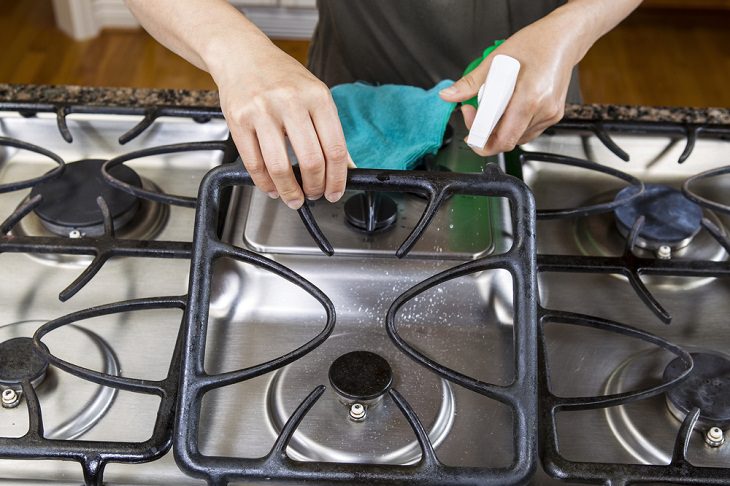 |
While you need some water to clean your gas
stove, you shouldn’t go overboard with it either. Both gas and electric stove-tops can short out when too much water is used to clean them. We
often forget that underneath the burners, a gas cook-top has control
boards, electric switches, and even wires. Using too much water on it is
hence not a very smart idea.
In fact, you should avoid putting water or other liquids directly on
your stove-top. The better and safer alternative is using a wet scrubbing
pad that you can use to wipe your stove every day and get rid of all
the grime.
4. Cleaning with products that may harm your stove-top
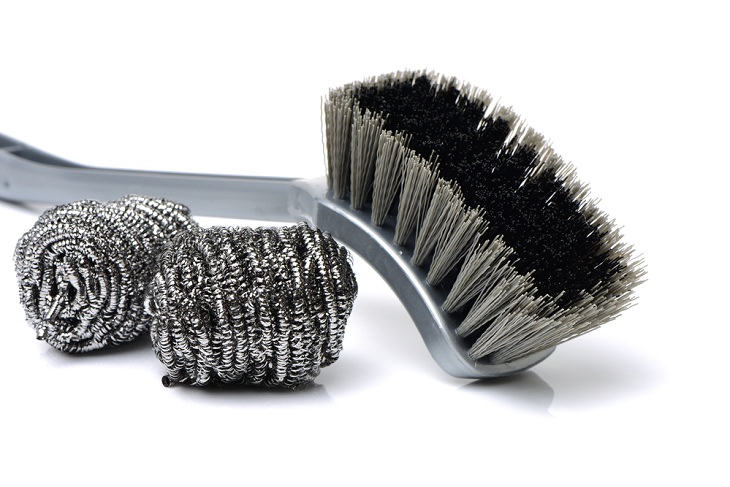
Are you cleaning the surface of your gas
stove with a wire brush? Or steel wool? While you may have been told
that these products will help remove the tough, dried-on grime from your stove-top thoroughly, they are likely to damage the appliance in the
long run. Abrasive products like wire brushes can ruin the electrodes on
your stove. Steel wool, meanwhile, can leave deep pits on your
stove-top’s surface. Over time, these small pits will be filled with
little food particles that will be difficult to remove.
You would be better off using cleaning products specifically designed
for cleaning stove-tops like a scrubbing pad. Or you can simply use a
sponge and warm, soapy water for the job. You can also use a plastic
spatula or plastic knife to scrape away the dried grime off of the
stove-top.
5. Ignoring the signs of gas leak Gas leaks aren't just harmful to your stove-top, they are also highly dangerous as they can lead to a gas
explosion. Hence, you shouldn’t ignore any noticeable signs of a stove
gas leak. For instance, if the smell of the gas appears before you even
turn your stove on and it begins to spread across your home, then it
might be a sign of a clear hazard. Other signs include a yellow or
orange flame (a strong gas flame is blue while warm colors may indicate a
slow leak) when cooking on the stove or a hissing sound near your gas
lines or appliances. Even black soot marks on the outside of your stove
might be a cause for concern.
If you notice any of these signs, just open your windows and call a
professional to get your stove-top checked immediately. If the smell of
the gas is too strong, it would be better for you to step outside your
home and wait for the professionals to arrive.
See Also: 9 Dangerous House Smells You Should Never Ignore
6. Using a glass cleaner on a glass stove-top
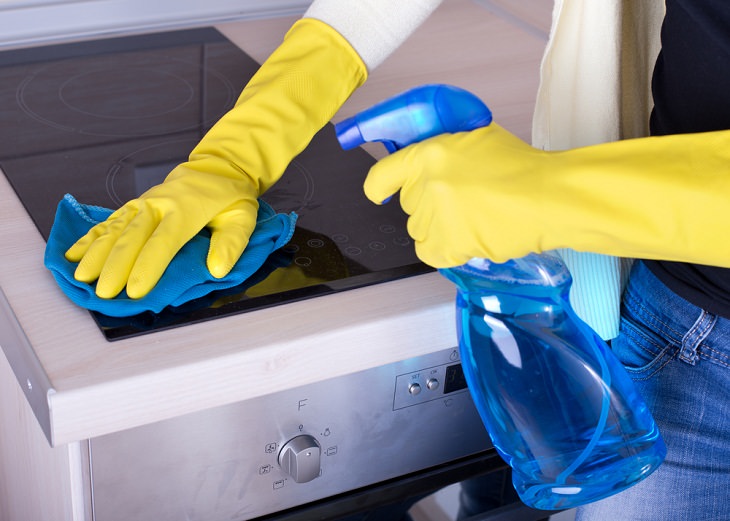
For cleaning glass stove-tops, ammonia-based
cleaners should be avoided. While this may sound odd, experts say that
the ammonia in these glass cleaners is too strong for cleaning a glass stove-top and can streak or stain its surface. While ammonia-based
cleaners are good enough to remove fingerprints and light dirt, they are
not ideal for getting rid of food remnants that are stuck on the
surface either. White vinegar would be a much better alternative for
cleaning your glass stove-top.
7. Trying to repair the appliance yourself
https://gscrochetdesigns.blogspot.com. one can see my crochet creations
Unless you know your stove-top inside out or
have prior experience in repairing it, you should leave the job of
fixing any issues with the professionals. Many a time people try and fix
a problem with the appliance themselves, thinking it’s a little issue
that can be easily resolved. However, in doing so, they end up taking
the stove-top apart and not figuring out how to put everything back
together. Moreover, this can cause unnecessary additional damage that
wasn’t even there in the first place. Hence, it’s always better to seek
the help of a professional to repair your stove-top if you are not sure
about the issue yourself.

No comments:
Post a Comment