Not all leftovers were made equal.
Sandwiches, for example, get soggy and salads can wilt, but other foods
seem to only get better with time. Foods like soups and casseroles
actually seem to have a richer flavor after sitting in the fridge for a
day or two. If you happen to enjoy certain foods even more as leftovers,
it’s not just in your head. There are a few scientific reasons why
foods change their flavor over time. Read on to find out why it happens,
and which foods taste even better when reheated.
Why do foods change their flavor over time?
According to the Institute of Food Technologies, flavors can be enhanced
overnight due to chemical reactions, which continue to take place after
cooking and generate more, or new, flavor molecules in different
ingredients. Oxidation, for example, occurs when foods come into contact
with oxygen. Depending on the food and how it’s stored, oxidation could
go both ways - it can turn the food mushy or rancid, like a sliced
apple that turns brown, or it could alter the flavor for the better.
Cooked onions, potatoes, and broccoli are a few examples of ingredients
that will taste better after a night in the fridge.
Refrigerating food slows down these natural
chemical reactions, which is why we can still eat them safely the next
day. Left at room temperature, the process would happen much faster,
leading the food to spoil. It is generally recommended to avoid food
that has been left at room temperature for more than two hours. If the
food was left at a temperature over 90 degrees Fahrenheit (32 Celsius),
the USDA suggests throwing it away after an hour.
Which foods pass the leftover test? 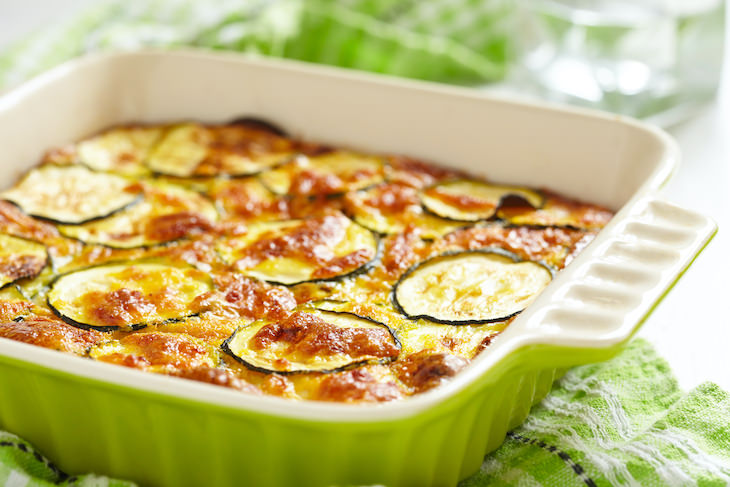
In general, time and oxidation aren’t kind to many foods, and a lot of
it comes down to personal preferences too. However, there are a few
varieties that are generally considered to age well.
Cruciferous
vegetables like kale, broccoli, cauliflower and cabbage, and allium
vegetables, including onions, leeks, and garlic, are good examples.
These vegetables, which can taste bitter and harsh when raw or cooked
lightly, contain an abundance of sulfur compounds. These compounds
oxidize easily, taming the flavors and making them more mellow.
Starchy vegetables, like potatoes, may get a little sweeter over time
too, because the starch slowly breaks down the sugars, or glucose, in
them.
Another group that may taste better with
time is protein-rich foods like fish, poultry, and lean meats. When
proteins break down they release amino acids such as glutamate, which
enhance savory flavor, or those known as umami.
If you don’t like your food very spicy, you might be happy to know that
the flavor of peppers becomes more delicate over time. The oxidation
reduces the amount of the compound capsaicin in the peppers, which makes
them less spicy. Other spices like turmeric black pepper and coriander
are also sensitive to air and may lose their intensity over time.
What about reheating?
When it comes to reheating, it all depends on how you do it. The
reheating process can liberate some of the flavor molecules that may be
trapped in fats or inside starch. “While it's the easiest, avoid the
microwave," advises chef Nick Evans. "It's a killer to flavor,” he told
Eat This Not That. The best way to reheat food is gently, either in a
skillet or over low heat.
Still, there are some dishes that do not react to reheating as well as
others. Some of the big no-nos according to culinary experts are
shellfish and hamburgers. For the latter, it’s largely about the
texture. In a good burger, there is a contrast between the crisp
exterior and the softer rarer interior. After being refrigerated,
however, a burger tends to take on a pebbly gray consistency and color,
which can’t be undone.
In general, the foods that will best stand
reheating are liquid-based ones - soups, stews, and casseroles. The
liquids prevent the dish from drying out and creates fewer textural
changes. Moreover, the above-mentioned dishes tend to include
ingredients like onions, garlic, and spices, which make them appetizing
the next day.
The bottom line is, don’t shy away from leftovers! Knowing the basics
behind food aging can be really helpful when you want to meal-prep and
try to decide on a dish that will last longer.
Other
than these, among the South Indian foods, vathak kulambu tastes better
next day. Especially, if you make thick onion vathak kulambu, it stays
good even for a week, if handled with care. Idli, when soaked in milagai
podi ( gun powder as some call it) and oil, tastes good even the next
day, i.e. why people traveling prefer to take it as it lasts for 1-2
days.