Hummus, a thick creamy food dip made
primarily from mashed chickpeas, is both nourishing and extremely
versatile - it's filling enough to be enjoyed by itself, or it can be
used as a spread in sandwiches or wraps.
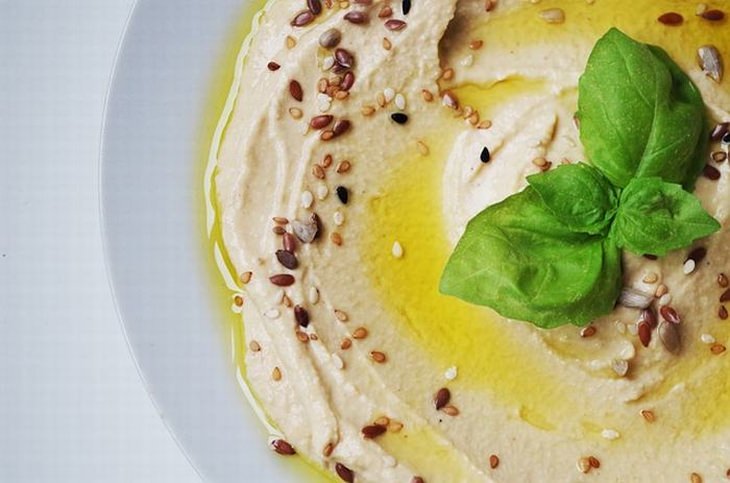
The basic recipe contains 6 healthy
ingredients: chickpeas, olive oil, garlic, lemon juice, sea salt and
tahini, which have been shown to be highly anti-inflammatory, and thus
can help lower inflammatory-causing chronic diseases such as rheumatoid
arthritis, Alzheimer's disease, cancer, cardiovascular disease and
diabetes.
https://gscrochetdesigns.blogspot.com. one can see my crochet creations
The Nutritional Facts
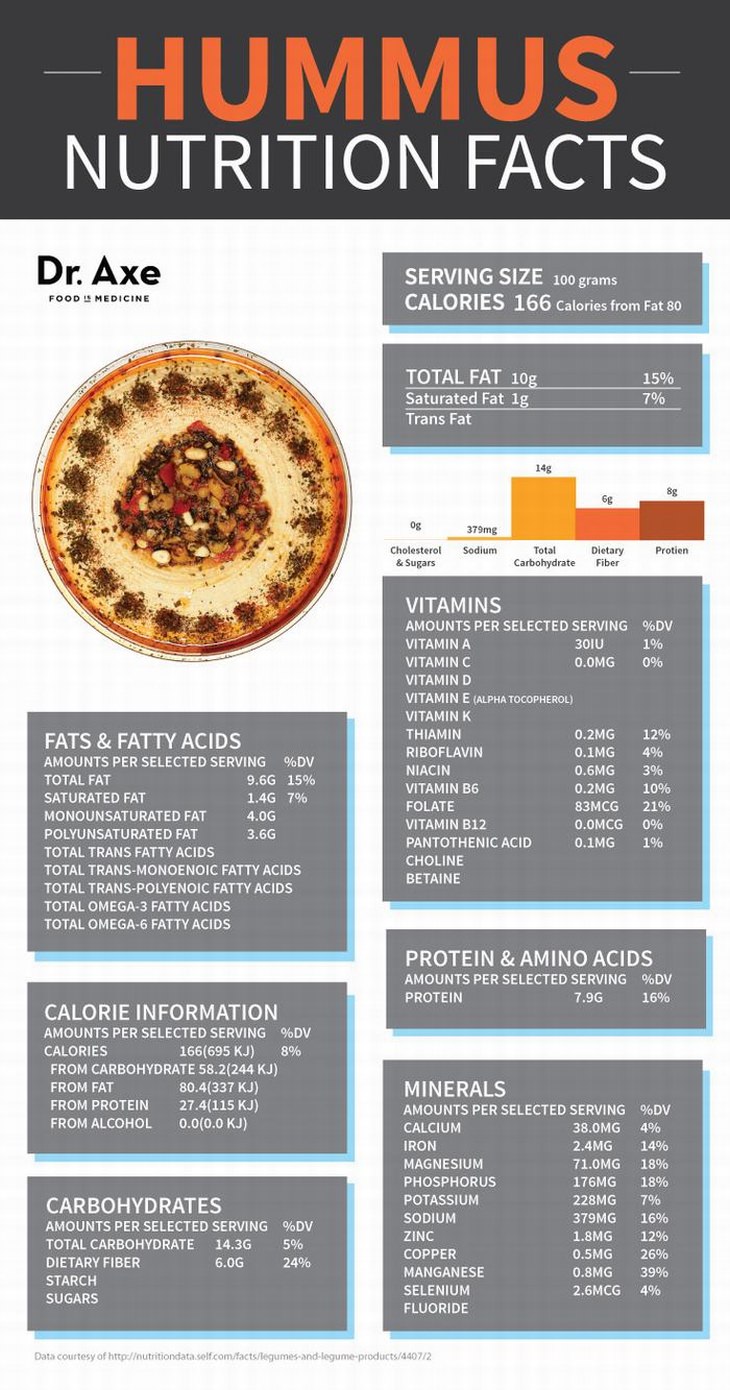
Hummus is packed with nutrients.
A 100g serving contains: 5g protein, 5g fiber, 9g fat, 20g
carbohydrates, 13% (RDA*) vitamin c, 20% (RDA) vitamin B6, 15% (RDA)
folate, 10% (RDA) iron, 10% (RDA) zinc, 11% (RDA) phosphorus, 28% (RDA)
manganese.
The chart below provides an in-depth overview of its nutritional facts:
An In-Depth Look at the Ingredients in Hummus
Chickpeas
Also known as garbanzo beans, chickpeas are
high in plant-based protein and fiber, which improves digestion and
aids heart health. They are also exceptionally filling. Additionally,
chickpeas are a good source of three nutrients that help reduce symptoms
associated with PMS: magnesium, manganese and vitamin B6.
Olive Oil
In hummus, olive oil is used in its natural
state. Research has shown that when heated repeatedly at a very high
level, olive oil can oxidize and become hydrogenated. To prepare this
recipe, opt for an extra virgin, pure olive oil free from fillers. Olive
oil has been found to reduce the risk of type 2 diabetes and may help
prevent strokes. It is also good for the heart. In fact, a diet rich in
olive oil may slow down the aging of the heart.
Garlic
Raw garlic contains an impressive amount of
nutrients, including flavonoids (plant compounds found in most fruit
and vegetables). Consuming raw garlic frequently has been found to
reduce risk factors associated with heart disease and various cancers.
Garlic also acts as an anti-fungal, anti-oxidant, anti-inflammatory and
anti-viral, and also has a number of other medicinal health benefits.
Lemon Juice
Lemons are known to have an alkalizing
effect on the body, which combats high acidity levels common to most
modern diets. Additionally, it helps boost immunity, digestion and helps
keep blood sugar levels stable. If you're not keen on their sour taste,
the health benefits lemons offer, may just change your mind.
Sea salt
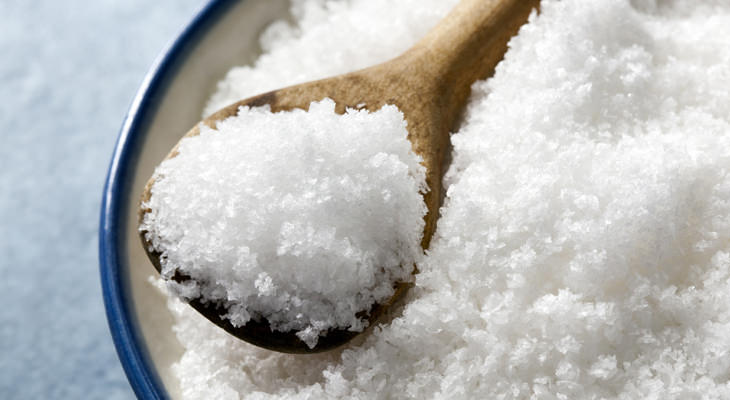
Traditional hummus uses good quality sea
salt to add flavor. Himalayan sea salt, in particular, is a good
alternative and has numerous health benefits. It is known to keep fluid
levels balanced and to keep you hydrated. Himalayan salt provides sodium
levels that help balance potassium intake and they also contain
important electrolytes and enzymes that aid in nutrient absorption.
Tahini
Made of ground sesame seeds, tahini offers a
wide range of important micronutrients, from minerals to healthy fatty
acids. Studies have shown that sesame seeds contain important beneficial
properties, including antioxidant Vitamin E, and can help reduce risks
associated with insulin resistance, heart disease and cancer.
While each ingredient on the list has a number of health benefits, they
are especially beneficial to the body when combined in hummus. This is
primarily due to the way that the fats, carbohydrates and proteins found
in hummus work together.
The Health Benefits of Hummus
1. Hummus is a good source of plant-based
protein
The main ingredient in hummus, chickpeas, provides a substantial source
of protein, enabling you to feel full after consuming it. In fact,
you're less likely to snack in between meals due to their satiety
effect. As hummus is often eaten with pita bread or other type of whole
grain, it offers what is known as a 'complete protein', meaning it
contains all the essential amino acids necessary for the body.
2. It helps fight illness and disease
Chickpeas have been shown to help balance cholesterol levels, reduce
hypertension and protect against heart disease. Hummus is also a good
source of fiber, preventing weight gain and fat around the organs, and
has been known to help keep the arteries clear from plaque buildup,
reducing the chances of cardiac arrest and stroke. Backing this idea,
studies have shown that a daily serving of cooked beans (3/4 cup) can
help reduce the chances of a heart attack and help balance 'bad' LDL
cholesterol. Chickpeas have also been shown to have protective
properties against cancer, particularly colon cancer - primarily because
chickpeas have the ability to keep the digestive system and the colon
free from harmful bacteria and toxic buildup. The beans found in fiber
help keep waste moving out of the body quickly. Furthermore, a diet rich
in beans has been shown to reduce hyperglycemia, helping to balance
blood sugar levels. Consequently, this decreases the chance of
developing diabetes or insulin resistance.
3. It decreases inflammation
Inflammation is the body's natural defense to get rid of toxins. But,
when your body has a high level of inflammation, it indicates that your
body has been trying to overcome food, environmental or medicinal
toxins. A diet rich in anti-inflammatory foods help in reducing the
chance of arthritis and disease, helping to heal the body. Hummus
contains both garlic and olive oil, both of which are anti-inflammatory
foods. In one study, garlic was shown to reduce inflammation and help
fight wrinkles and aging. Garlic has also been used to boost the immune
system and cure disease, whereas olive oil has been found to reduce
inflammation, promoting healthy cholesterol levels. What's more is that
chickpeas have been found to reduce both inflammation and blood clots.
4. Helps digestion and intestinal health
Chickpeas are an excellent source of fiber. Consequently, they help
foster a healthy digestive system, making us feel full and satisfied for
longer. Consuming enough fiber on a daily basis (about 25 to 35 grams)
promotes a healthy body weight and decreases the chance of
obesity-related diseases like type 2 diabetes, heart attacks and many
more.
5. Hummus is high in vitamins and minerals
In addition to protein and fiber, hummus contains a number of essential
micronutrients including iron, folate, phosphorus and B vitamins. The
lemon juice found in hummus is also a good source of immunity boosting
vitamin C and antioxidants. Tahini also has high levels of copper,
magnesium, zinc, iron, phosphorus and calcium. Meanwhile, garlic
provides the body with manganese, vitamin B6, vitamin C and selenium,
which has been shown to benefit the heart and boost immunity.
6. Provides bone health
The sesame seeds in tahini are an excellent source of various important
bone-building minerals including zinc, copper, calcium, magnesium,
phosphorus, iron and selenium. The copper mineral found in tahini helps
keep the skeletal structure strong by facilitating the binding of
collagen to elastin - both of which are important building-blocks of
bones. Calcium also helps lower levels of bone marrow loss that is
typical of the aging process, and zinc has been shown to be an important
factor in bone development and growth.
7. Supports the heart
Diets rich in extra virgin olive oils help prevent cardiovascular
disease. Regular consumption of good quality olive oil has been
correlated with improving blood pressure levels, glucose, metabolism and
has also been found to reduce cholesterol. Alongside olive oil, sesame
seeds have been shown to reduce inflammation, provide important
antioxidants and play a part in maintaining heart health by keeping the
structure of arteries and cell walls healthy.
8. Boosts your energy
Chickpeas contain starch, a complex carbohydrate that the body uses for
energy. Starch contains natural sugars called glucose, which the body is
able to use steadily for energy. Because starches take an extended
period of time to break down, once consumed, your blood sugar does not
spike in the same way that simple carbohydrates (flour, white bread,
pasta or soda) can cause it to.
How to prepare Hummus kindly see my next post

No comments:
Post a Comment