Protein: the building block of life. It's a
macronutrient we’re told to consume in ample amounts for muscle growth,
repair, and overall well-being. But are all proteins created equal? The
answer is a resounding no. While chicken breast, tofu, and lentils all
provide protein, they pack different nutritional punches.
Besides its core functions, protein also
influences metabolism, satiety, and hormone levels. But with a plethora
of protein sources available, navigating the best choice can be
daunting. Is whey protein ideal for everyone? Do plant-based proteins
offer the same benefits? The truth is, that the optimal protein depends
on individual health goals, lifestyle, and dietary preferences.
Protein aids muscle recovery post-exercise, boosts metabolism, promotes
fullness and weight management, and aids in hormone and enzyme
synthesis. Choosing the right protein isn't just about the nutrient
itself but also about the unique combinations of fats, vitamins, and
minerals each type offers. Different life stages and health conditions
require tailored protein sources. Whether you are a woman, a senior, or
someone with a family history of heart disease, selecting the right
protein can support your health goals effectively.
The ideal protein type for your health
goals
In this article, we explore the benefits of various protein sources,
helping you identify which best suits your specific health needs,
whether you're a fitness enthusiast, a health-conscious individual, or
simply looking to optimize your diet.
1. For blood sugar balance and regulating diabetes
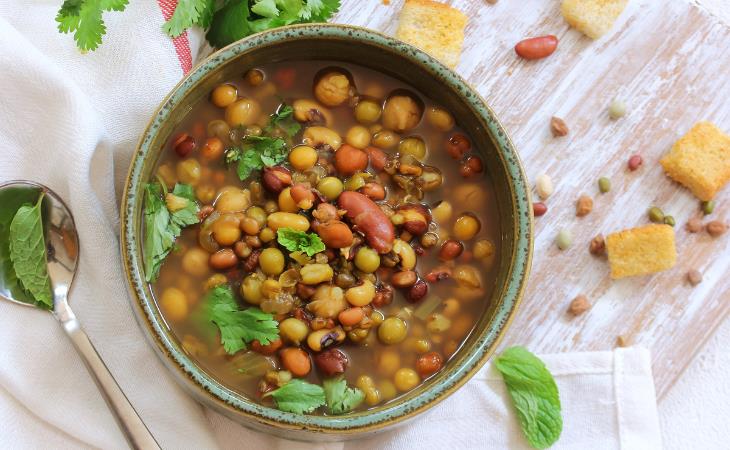
Studies have shown that eating more plant-based
proteins can help lower heart disease risk and improve blood sugar
control. Beans and lentils are particularly beneficial as they are low
in total and saturated fat, but high in fiber. This fiber helps slow
down the absorption of carbohydrates, leading to steadier blood sugar
levels.
Tree nuts and peanuts offer several benefits for managing and preventing
diabetes. They are low in carbohydrates, rich in fiber for better blood
sugar control, and packed with heart-healthy fats that increase
fullness and insulin sensitivity. Additionally, nuts provide essential
vitamins and minerals like magnesium and antioxidants, which help reduce
inflammation and support diabetes management.
2. For managing gut health

Yogurt, such as Greek yogurt or skyr, packs
a protein punch with 15-19 grams per cup. Protein plays a key role in
maintaining a healthy gut lining. Research suggests that eating at least
two cups of yogurt a week can improve gut health by strengthening the
gut barrier. Yogurt is also a rich source of probiotics like
Bifidobacterium and Lactobacillus, beneficial bacteria that aid
digestion, protect the gut, and balance gut flora.
Lentils are a plant-based protein
powerhouse, offering 18 grams per cup. Their high fiber content makes
them a gut health superstar. This fiber acts as a prebiotic, nourishing
beneficial bacteria in the digestive system. With a whopping 16 grams of
fiber per cup, lentils also help stabilize blood sugar, promote regular
bowel movements, and lower cholesterol.
3. For weight loss
Protein is essential for health, recovery,
and maintaining a healthy metabolism. High-protein diets have been shown
to support weight loss by increasing metabolism and preserving muscle
mass during calorie reduction.
Nonfat cottage cheese, rich in casein protein, provides sustained
fullness due to its slow digestion. Studies suggest that consuming more
dairy while reducing overall calories can lead to greater weight and fat
loss.
Egg whites are often considered the gold standard of protein due to
their high bioavailability and digestibility. Low in calories but packed
with protein, egg whites are a valuable addition to meals.
Chicken breast is a lean protein choice packed with essential nutrients,
such as vitamin B12, zinc, iron, and copper.
4. For heart health
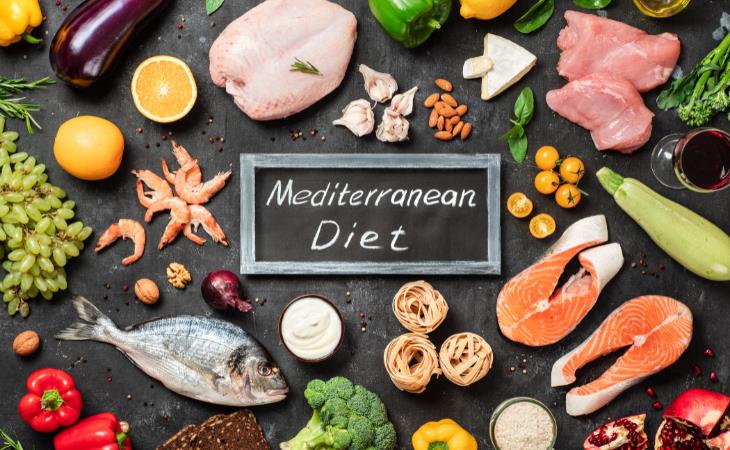
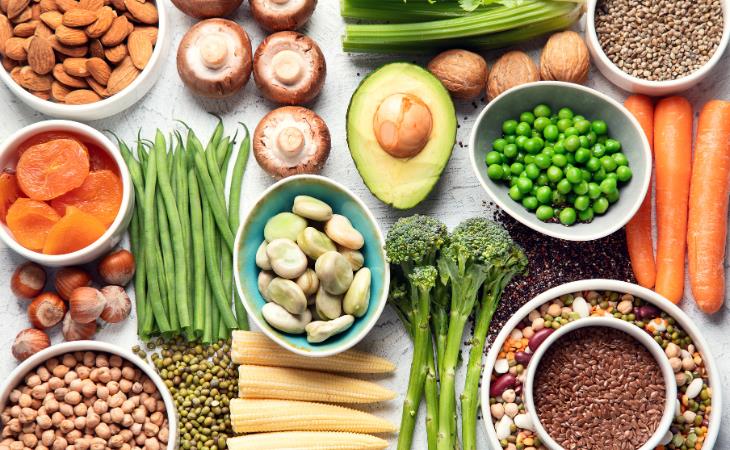
A Mediterranean diet is well-known for its
benefits in preventing and managing heart conditions. It features foods
such as fish, poultry, beans, whole grains, and some cheeses.
Importantly, legumes provide protein, fiber, and crucial vitamins and
minerals that are beneficial for heart health.
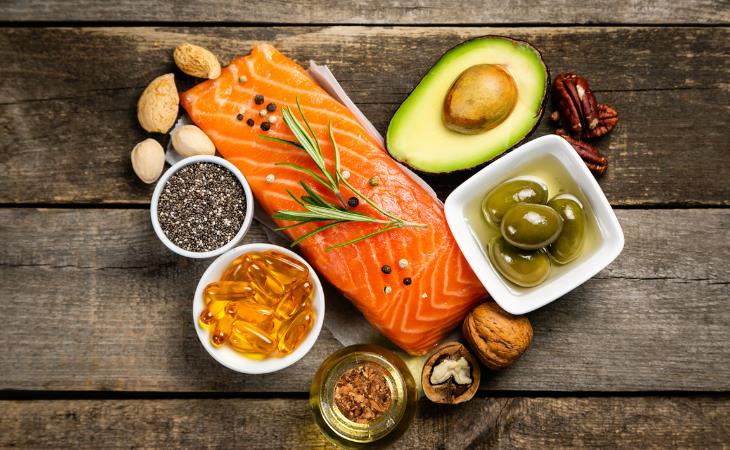
Health experts often recommend fish, particularly those high in omega-3
fatty acids, such as salmon, tuna, mackerel, and sardines. Omega-3 fats
play a key role in lowering inflammation, a factor linked to heart
problems.
5. For strong bones
Low-fat dairy products, like yogurt, milk,
and hard cheeses, are excellent sources of protein, providing between 8
and 20 grams per serving, especially Greek yogurt. These products
provide a good balance of protein and calories. In addition to protein,
these dairy products supply calcium, which is essential for bone
strength. Many are fortified with vitamin D to improve calcium
absorption.
Plant-based proteins like beans, legumes, and nuts also support bone
health. These foods contain phytoestrogens, which help maintain bone
strength by slowing down bone loss and encouraging new bone growth.
6. For improving women’s reproductive health
The omega-3s found in salmon help safeguard
heart health by lowering blood pressure and reducing triglycerides.
Heart disease is the leading cause of death for women. Research also
suggests that regular omega-3 intake can improve mental well-being,
especially during menopause.
Salmon is also a rich source of vitamin D, essential for strong bones as
we age. Osteoporosis risk rises after menopause, so women in this stage
need 500-800 IU of vitamin D daily. One serving of salmon typically
provides 400-700 IU of vitamin D.
Black beans are another nutritional powerhouse, packed with folate. This
nutrient is crucial for DNA formation during pregnancy. Pregnant women
require at least 600 mcg of folate daily to shield their baby from
neural tube defects. A half-cup of cooked black beans offers about 129
mcg of folate, meaning a cup covers nearly half of the daily folate
requirement during pregnancy.
7. For fighting inflammation
https://gscrochetdesigns.blogspot.com. one can see my crochet creations
Dietitians say that mackerel is a great
choice for reducing inflammation due to its high omega-3 fatty acid
content. With over 4,500 milligrams of EPA and DHA per serving, mackerel
provides a substantial dose of these healthy fats known to combat
inflammation, lower heart disease risk, and protect cognitive function.
Tempeh is a plant-based protein powerhouse that effectively combats
inflammation. Created from fermented soybeans, tempeh includes
prebiotics, a fiber type that reduces gut inflammation and nourishes
beneficial bacteria. Additionally, tempeh's antioxidant content helps
shield the body from damage and possesses anti-inflammatory properties.

No comments:
Post a Comment